Coins are a counter-balance to digital life and provide a tactile escape from the technology and speed of our modern-day society. The digital age has sparked a new period of growth in coin collecting.
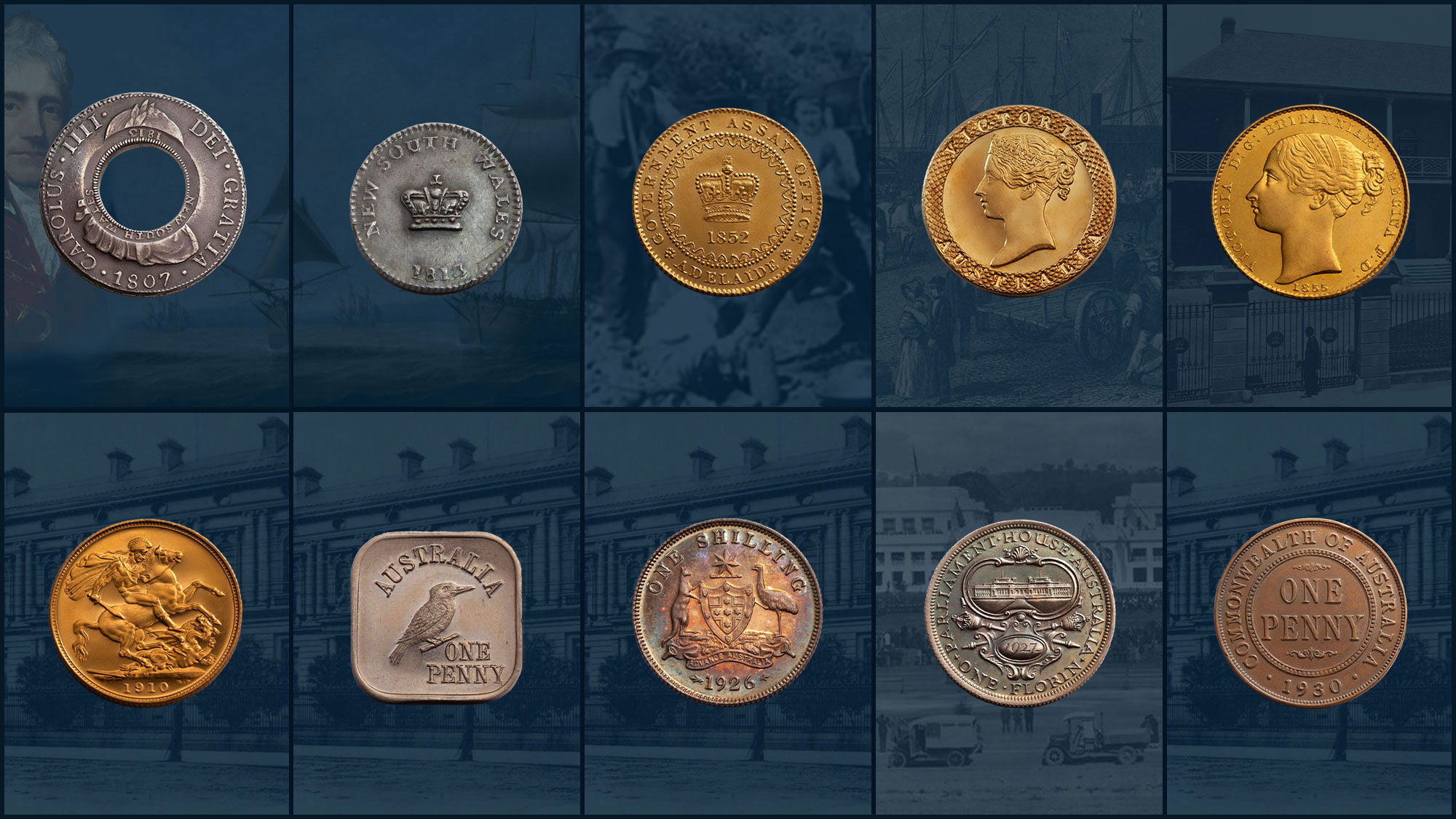
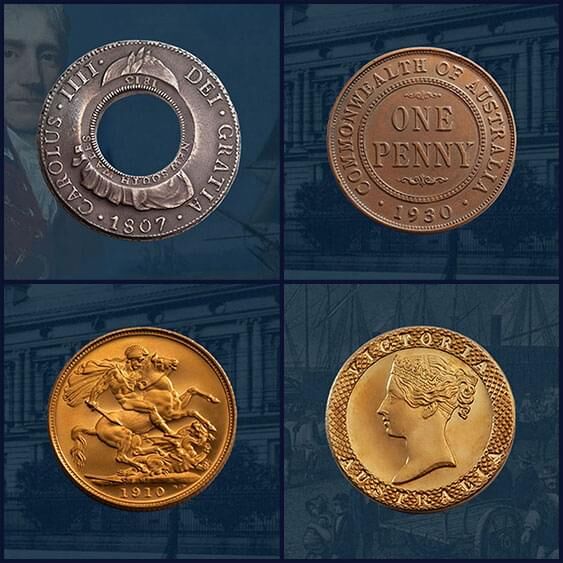
The physicality of rare coins has always been appealing, the notion that you can hold history in your hand. And have a direct and very intimate link to an event that occurred centuries earlier. The physicality of collectibles in general (and rare coins in particular) will become more attractive as the digital age gathers pace.
Collectors will simply seek 'time-out' from electronic technology, and become grounded with a piece of art (a quality coin) that is physical, that connects them with history, is emotionally rousing and beautiful to look at.
And it is the coins that have a deep connection to Australia's history that will be in high demand.
Coins such as the Holey Dollar and Dump, the nation's first coins struck in 1813 under Governor Lachlan Macquarie. And our first gold coin, the Adelaide One Pound, spawned by the Gold Rush of 1851 and struck one year later at the Government Assay Office Adelaide. The 1919 Kookaburra Penny, a visionary coin that re-imagined Australia's currency for a new era. The 1930 Penny, struck during the Great Depression and today a star. And the extremely rare presentation pieces that were struck in gold, silver and copper over the period 1853 to 1964.
Rare coins that have timeless appeal. Coins that are highlights of our financial history and for collectors, highlights of our numismatic history. Coins that also define Australians as people, our psyche, our entrepreneurial spirit and our resilience as a nation.
If you are setting out on your journey to acquire an Australian rare coin, let our chart be your guide and your starting point. It details the coins mentioned earlier and their original mintage. And most importantly, their availablity in today's market.
The original mintage is interesting and informative but, for collectors, the key to evaluating the rarity of a coin (and hence its value) is to look beyond the mintage and consider its availability. The availability is an indication of the number of examples available to collectors in a lifetime of collecting. Its about finding out about the competition. How many other coins are out there, in the market-place.
For example, it is noted that the original mintage of the Holey Dollar is 39,910. The coins were demonetised in 1829 with the vast majority recalled and melted down. Today there are approximately 200 Holey Dollars held by private collectors with perhaps 100 held in museums. The figure '200' is the critical one for collectors. The original mintage is to a certain extent irrelevant.
When you consider the number of collectors (worldwide) that are potential buyers of Australia's rare coins, you have a better understanding of just how extraordinarily scarce they are. And why they are so valuable.
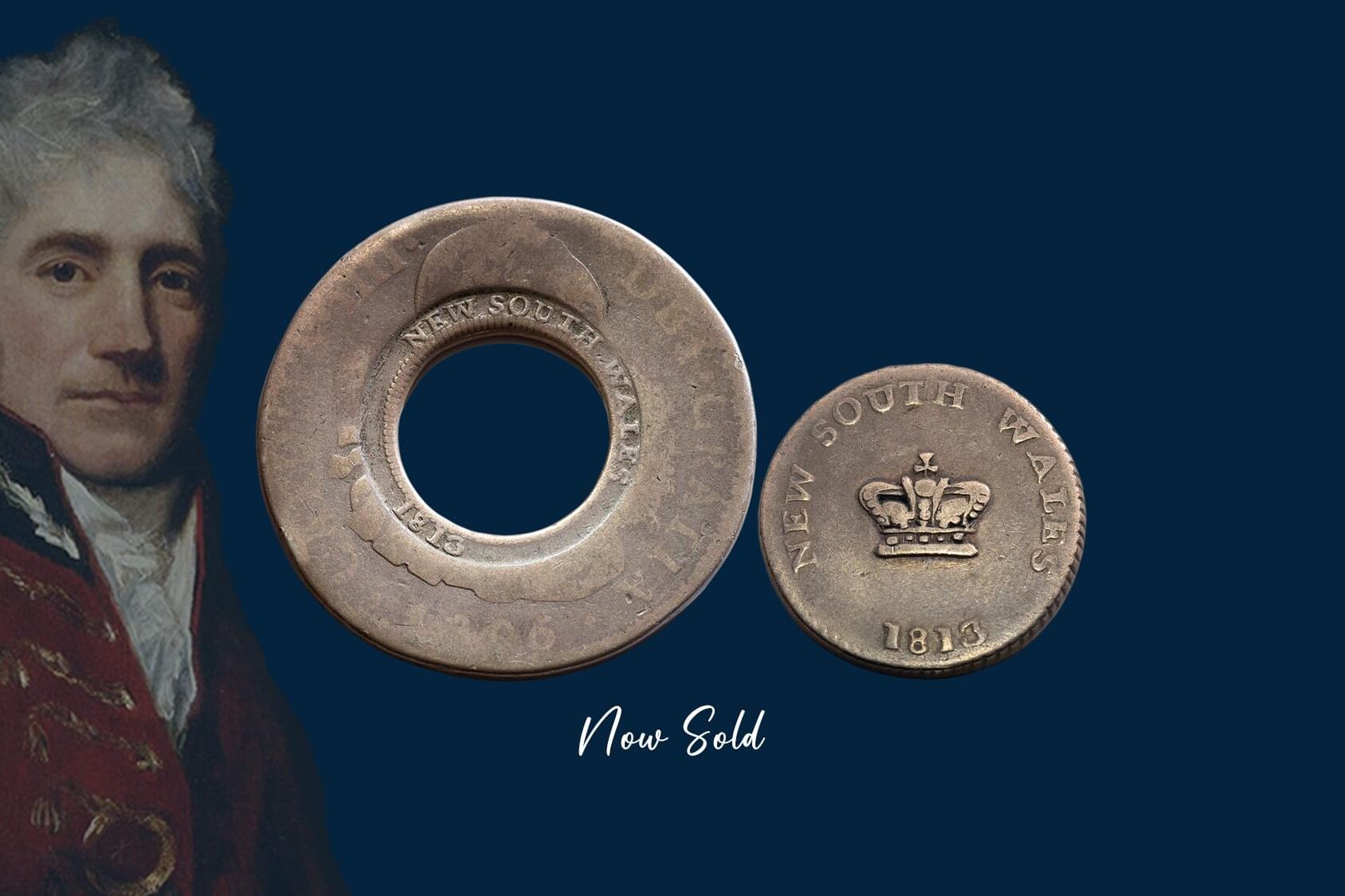
1813 Holey Dollar
The Holey Dollar is the nation’s first coin struck in 1813 under the direction of Governor Lachlan Macquarie. Extremely rare, the coin is one of Australia's most desirable.
Today there are approximately 200 Holey Dollars held by private collectors with perhaps 100 held in museums
In the realm of rare coins, Holey Dollars exist on a different plane. They transcend mere collectibles and have become coveted objects that represent the pinnacle of Australia's numismatic industry, our very first coin.
Owning a Holey Dollar isn't just about adding another coin to a collection. It's about indulging in an experience, a fusion of history and prestige.
Talk to owners of Holey Dollars and they will tell you that the coin is the jewel in their collection.
The crowning glory!
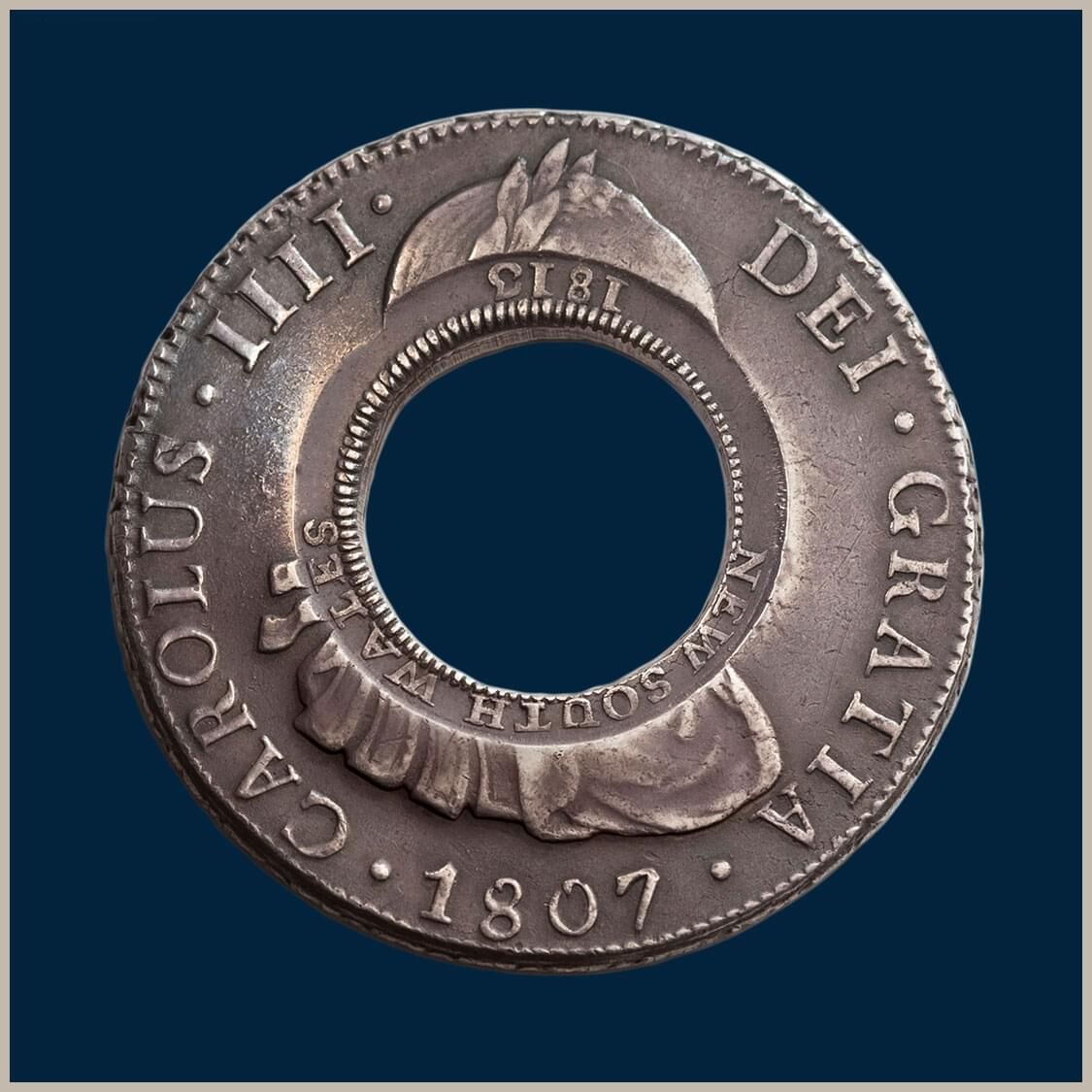
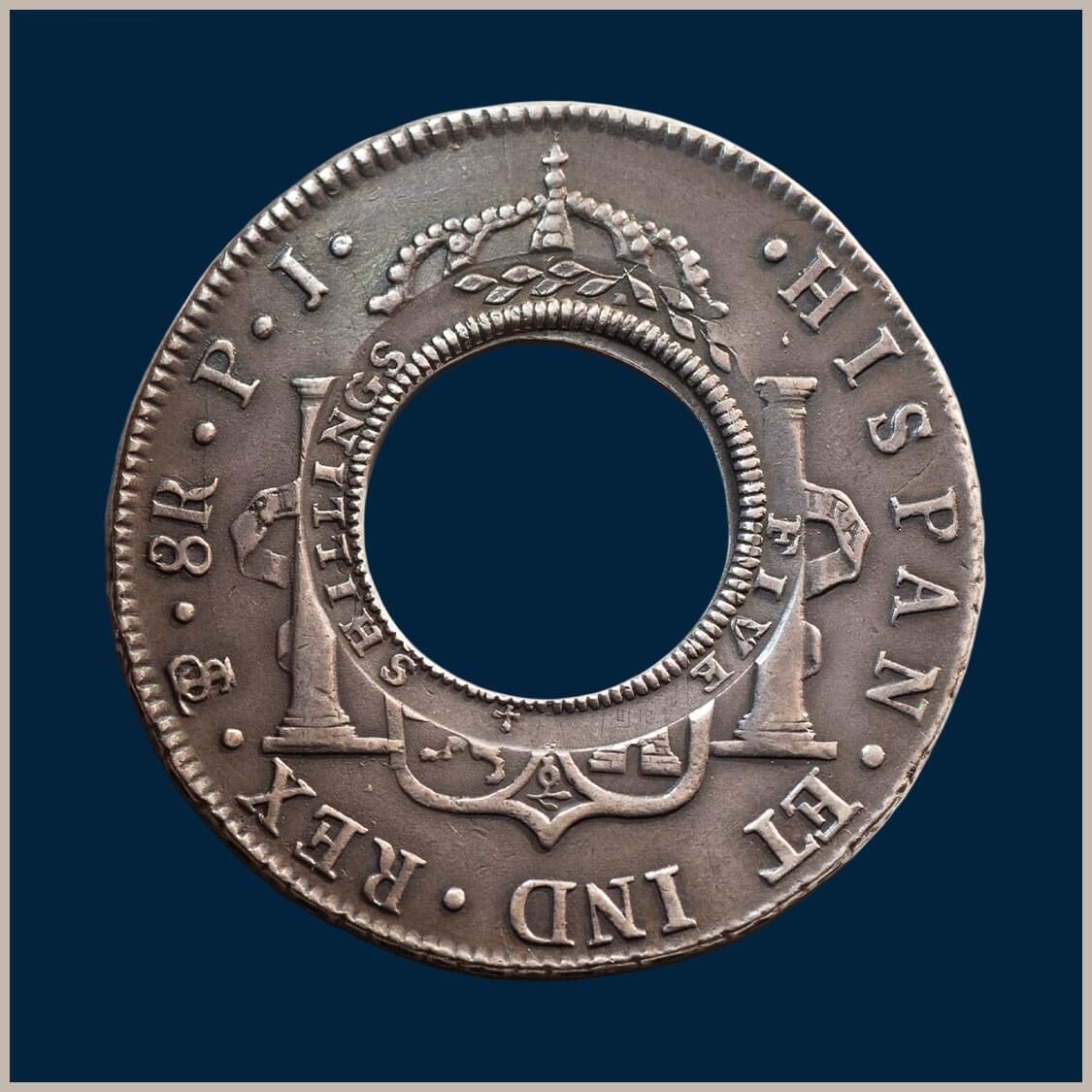
The 1813 Holey Dollar
1813 Dump
Governor Lachlan Macquarie created two coins out of one when he cut a hole in a Spanish Silver Dollar.
He created the 1813 Holey Dollar, With a value of five shillings. And the circular disc that fell out of the hole was over-stamped and became the 1813 Dump, its value fifteen pence.
The industry acknowledges that there are about one thousand surviving examples of the 1813 Dump, with eight hundred available to collectors, the balance held in museums and public institutions.
The Holey Dollar and Dump represent the pinnacle of Australia's numismatic industry, our very first coins.
Buying a Holey Dollar or a Dump is like buying a BMW motor vehicle and choosing between the top of the range BMW 7 series or the slightly smaller BMW 5 series. Both dynamic vehicles, and a joy to own, the latter available in a price range that caters to more buyers.
And like the BMW 5 series, the Dump is a rarity in its own right and is very much sought after.
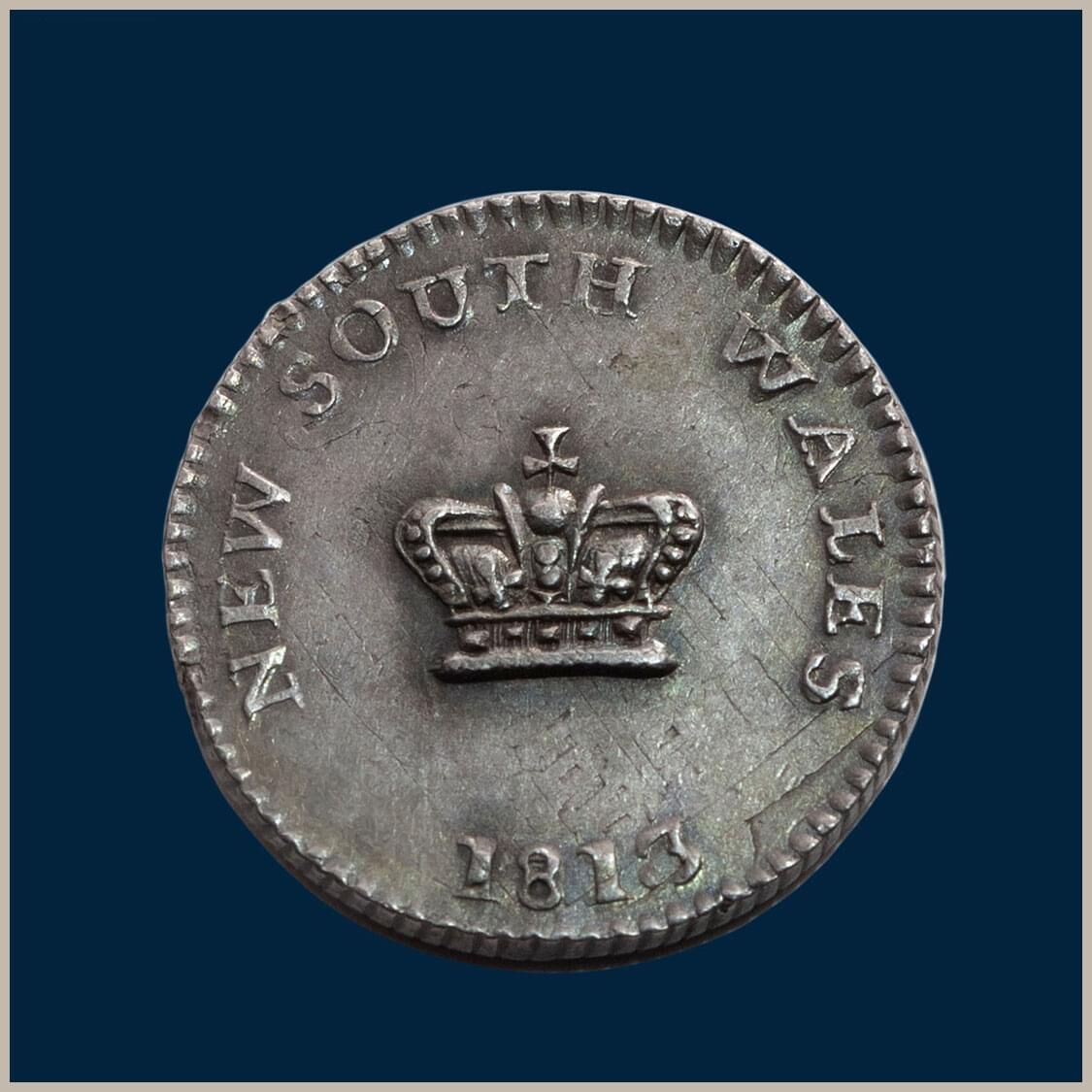
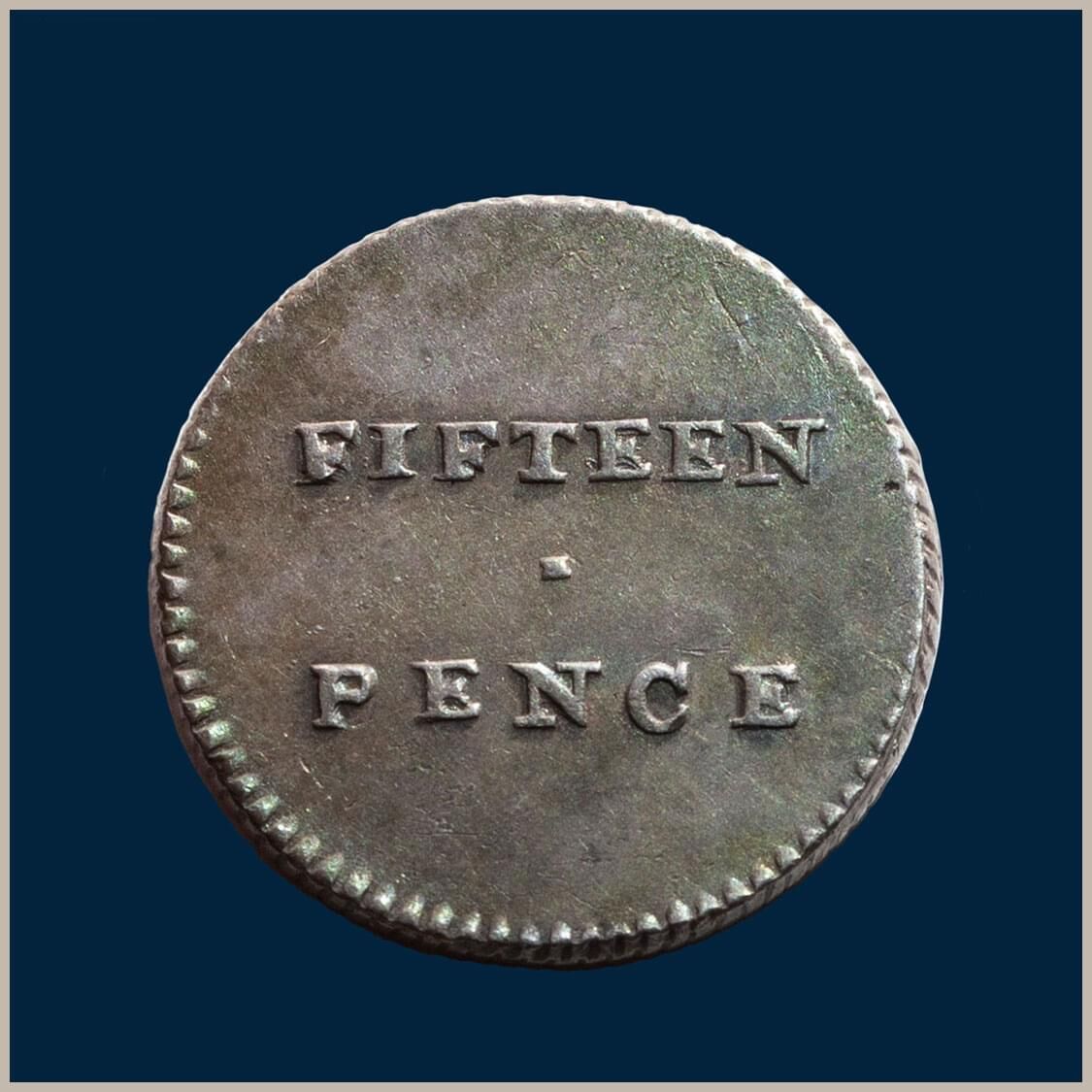
The 1813 Dump
1852 Adelaide Pound
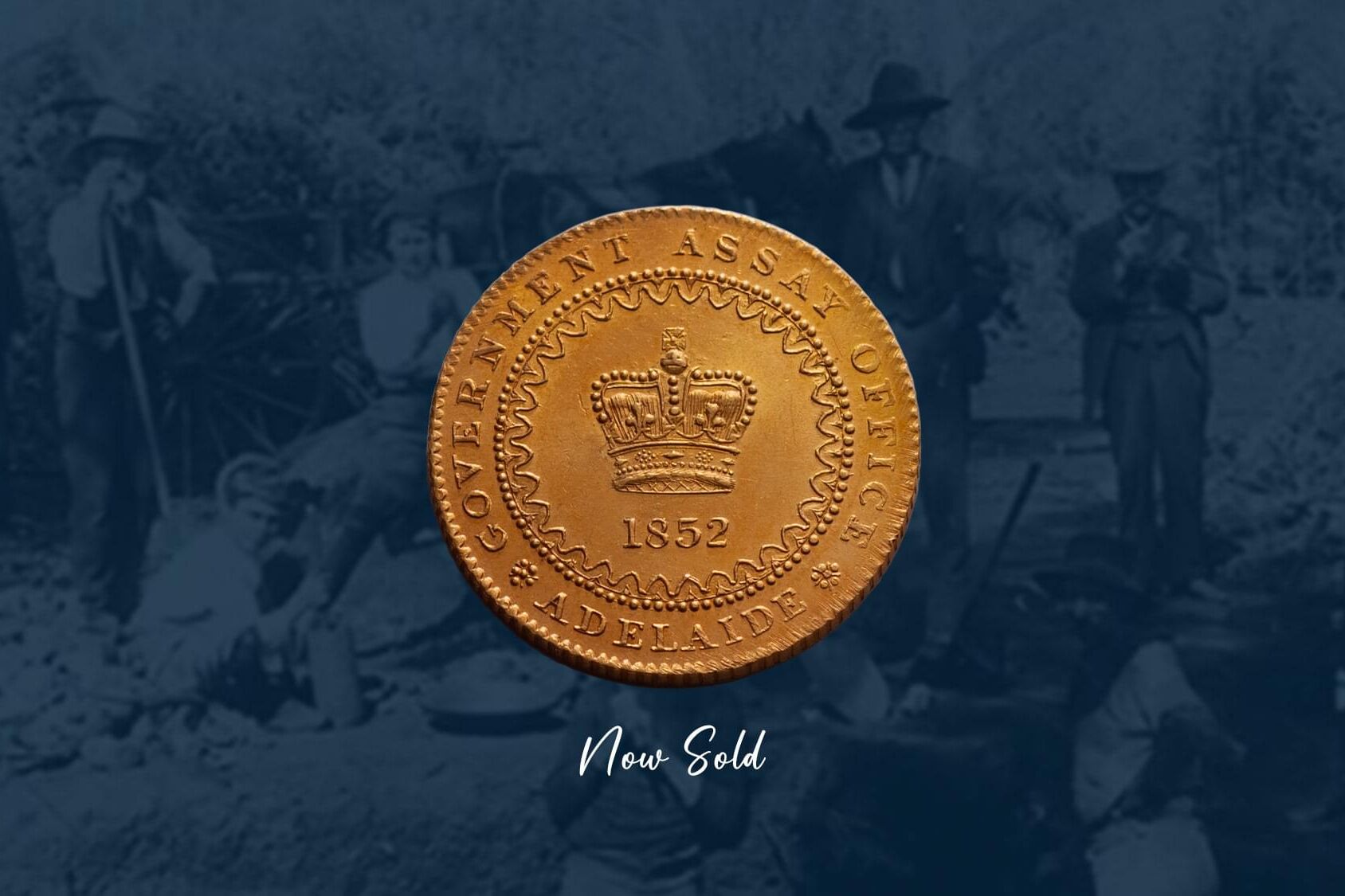
The Adelaide One Pound is the nation’s first gold coin, struck in 1852 at the South Australian Government Assay Office, Adelaide.
Local jeweler and engraver Joshua Payne created the dies for the nation's first gold coins. The obverse declared the issuing authority, Government Assay Office Adelaide, encircling a crown and the date, 1852, the design used continuously throughout production. The reverse declared the fineness and weight encircling it's value.
With its fine design detail, the Adelaide Pound is compelling and a piece of significance, its status as the nation's first gold coin ensuring that it will never be forgotten.
And it is extremely rare with less than forty examples surviving from the first production run and perhaps two hundred and fifty from the second.
Either first or second run, the Adelaide Pound is a prized possession, an iconic gold coin revered by local and international buyers.
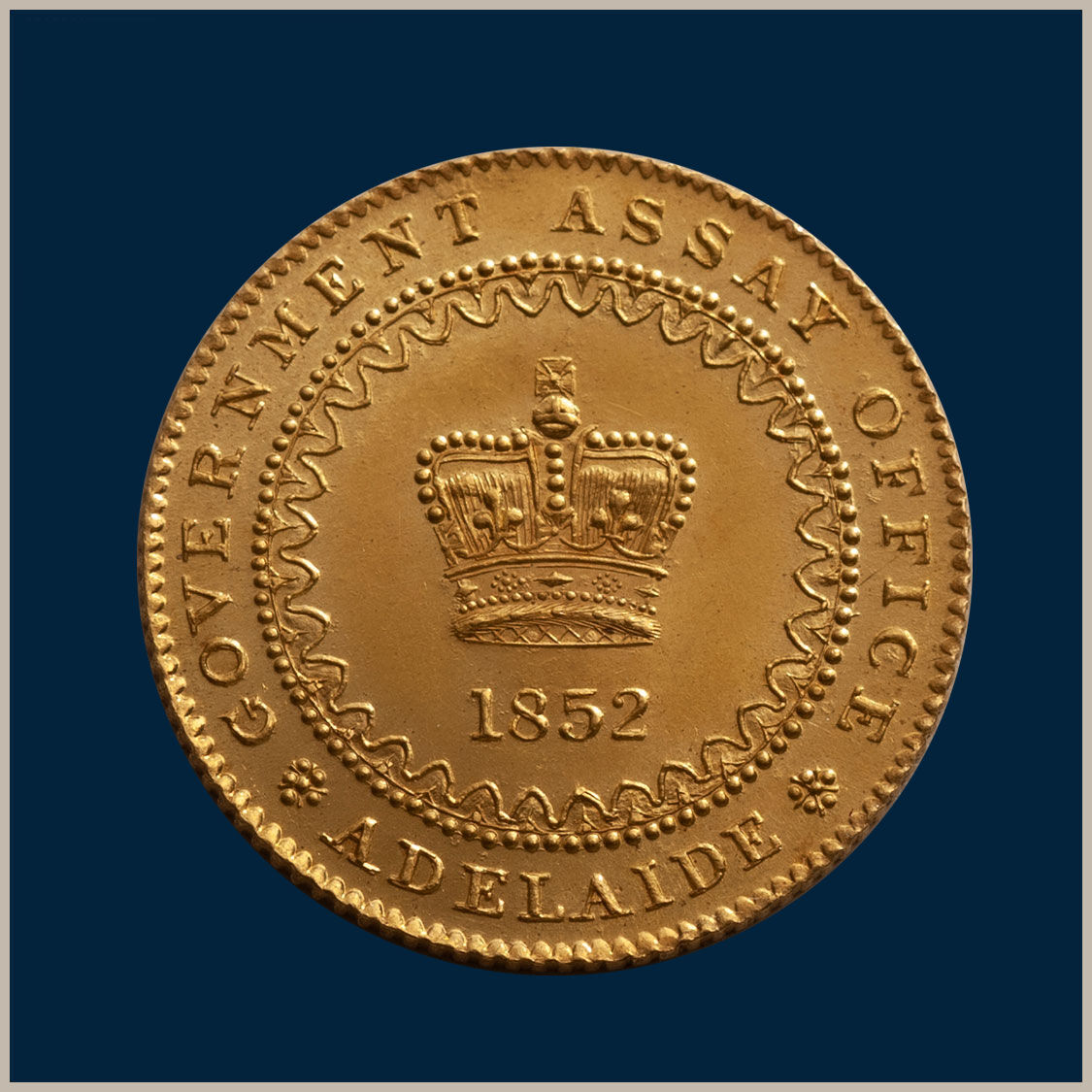
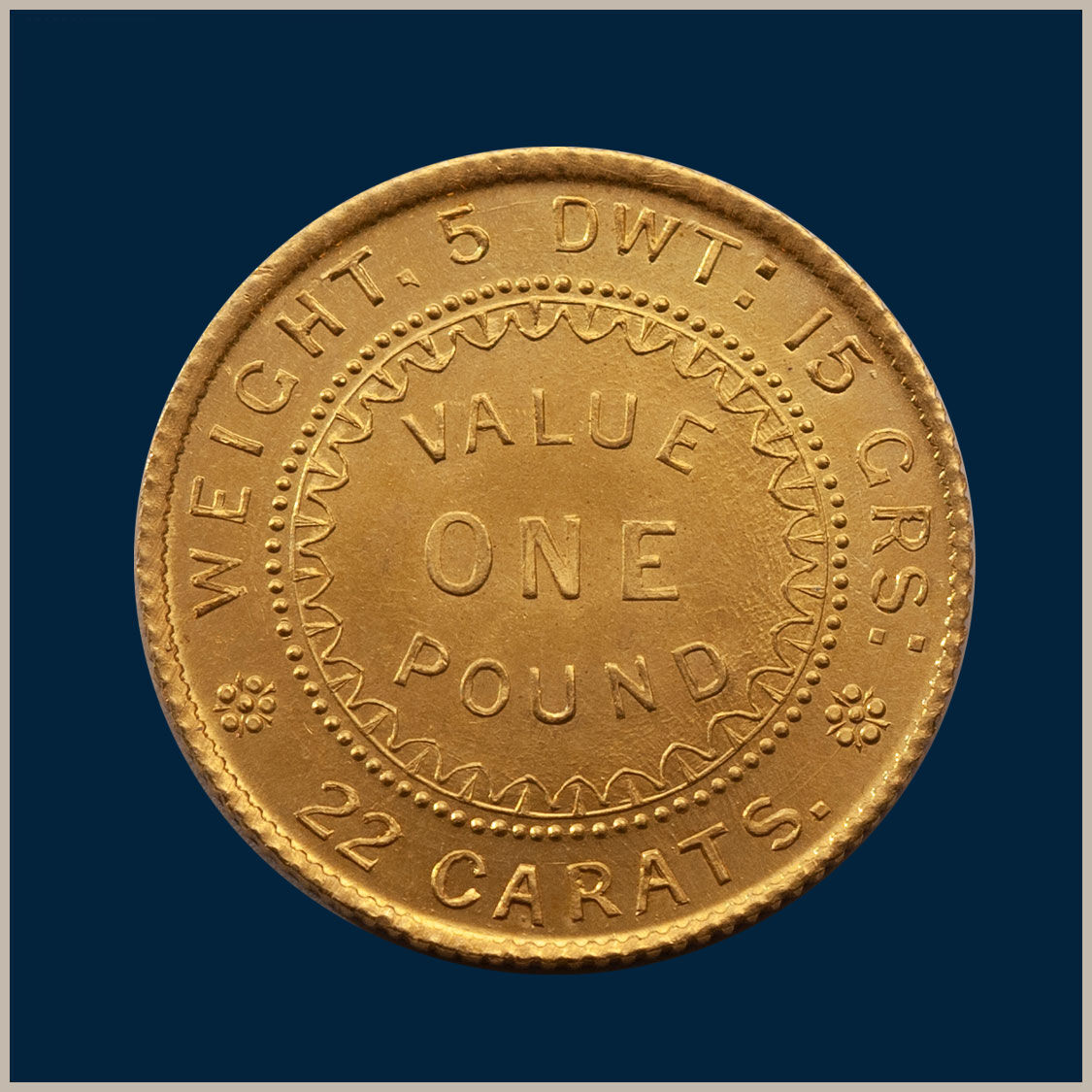
The 1852 Adelaide Gold One Pound
Port Phillip Kangaroo Office Coins of W. J. Taylor (1853 to circa 1860)
The Gold Kangaroo Patterns are ‘trophy’ pieces. Extremely rare with many of the pieces unique, they have global standing.
Australia’s Gold Rush of 1851 created opportunities for profit for private individuals, the most noted of whom is London businessman, William J. Taylor.
He aspired to own and operate a private mint in Melbourne and create a new gold coinage for the colonies.
His first gold issue was dated 1853, the use of a weight value rather than a legal tender value a clever ploy so as not to draw the ire of the colonial Government by striking what was perceived to be 'currency'.
Taylor became more venturesome and later, circa 1855, he produced dies for a shilling and sixpence striking them in gold, silver and various other metals.
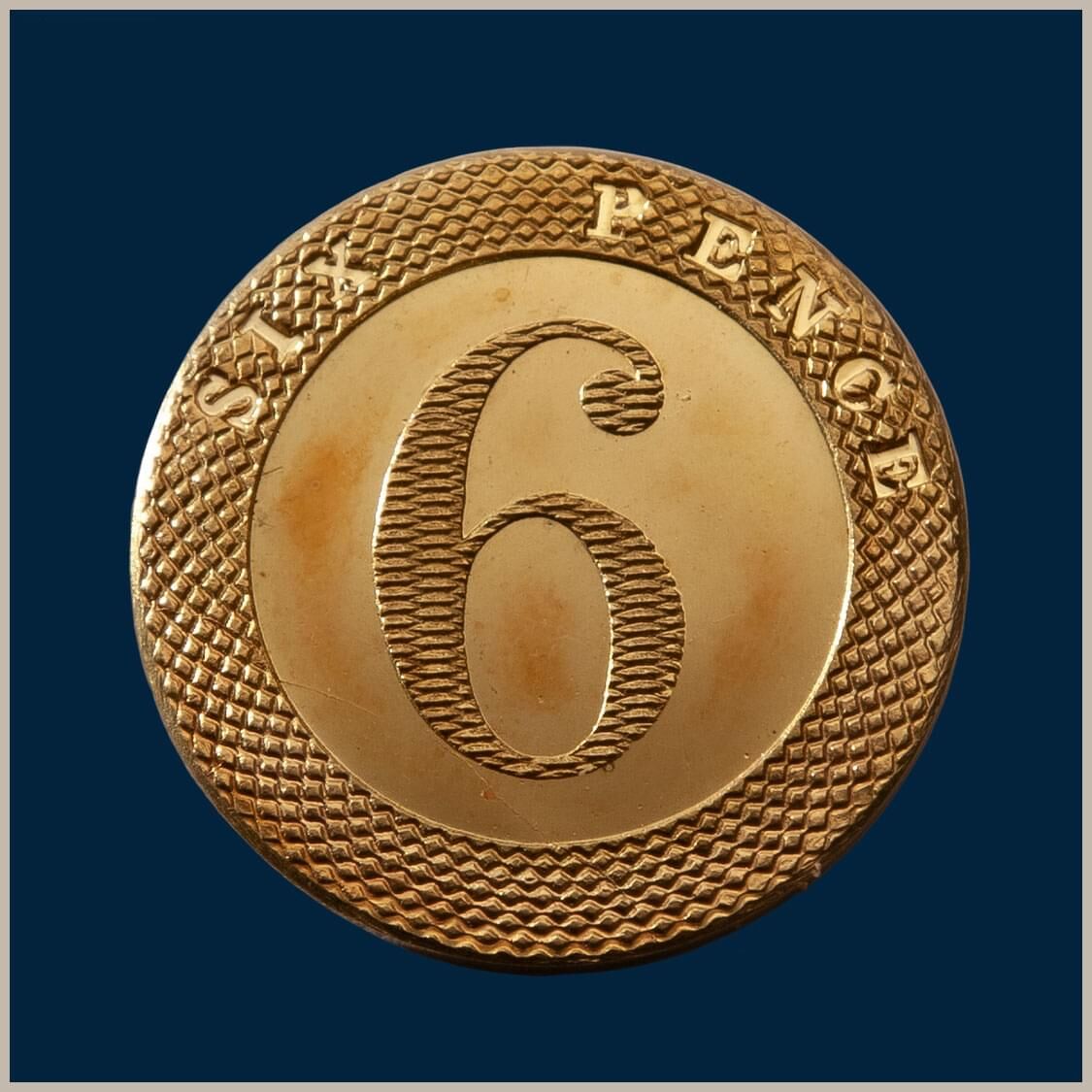
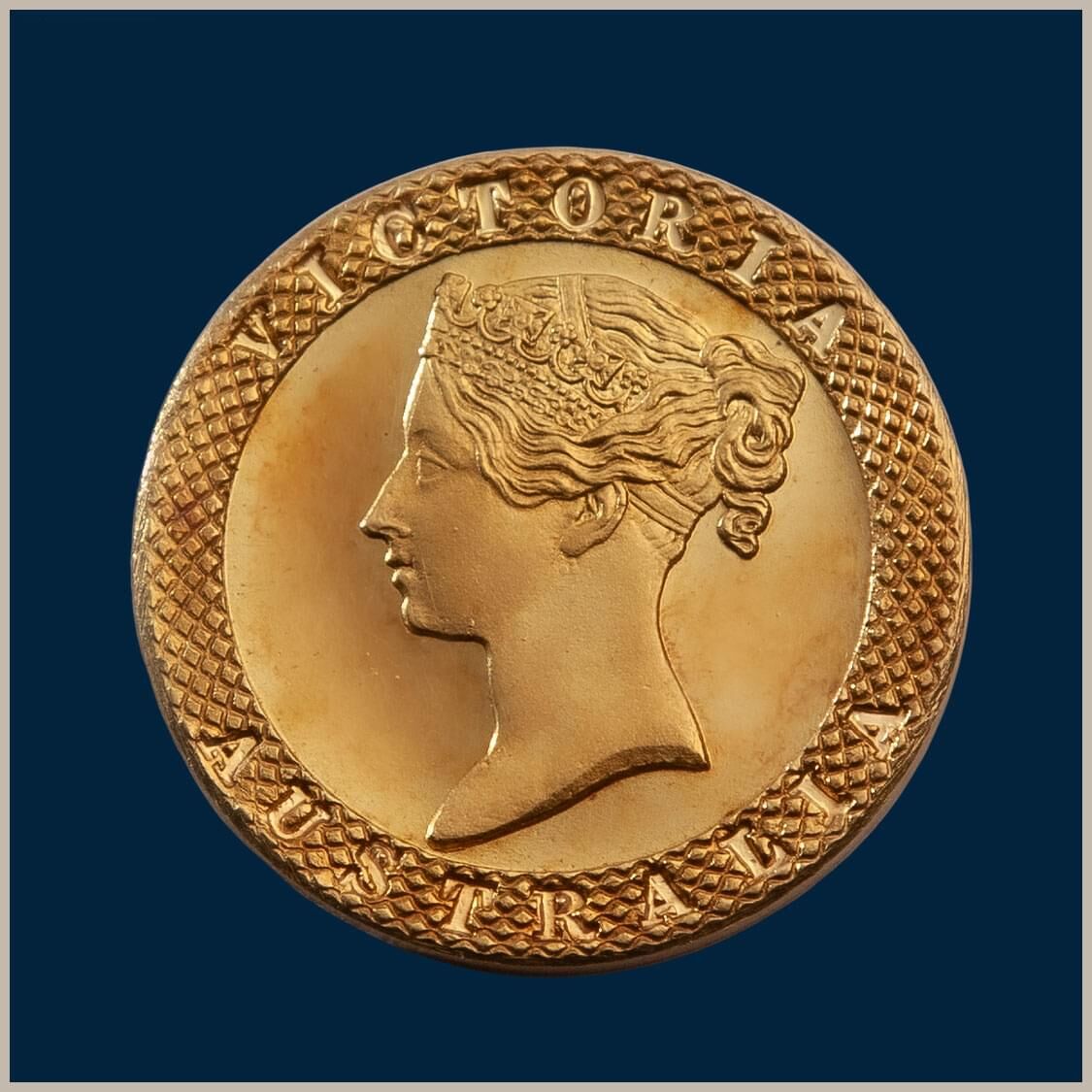
The Port Phillip Kangaroo Office Gold Sixpence
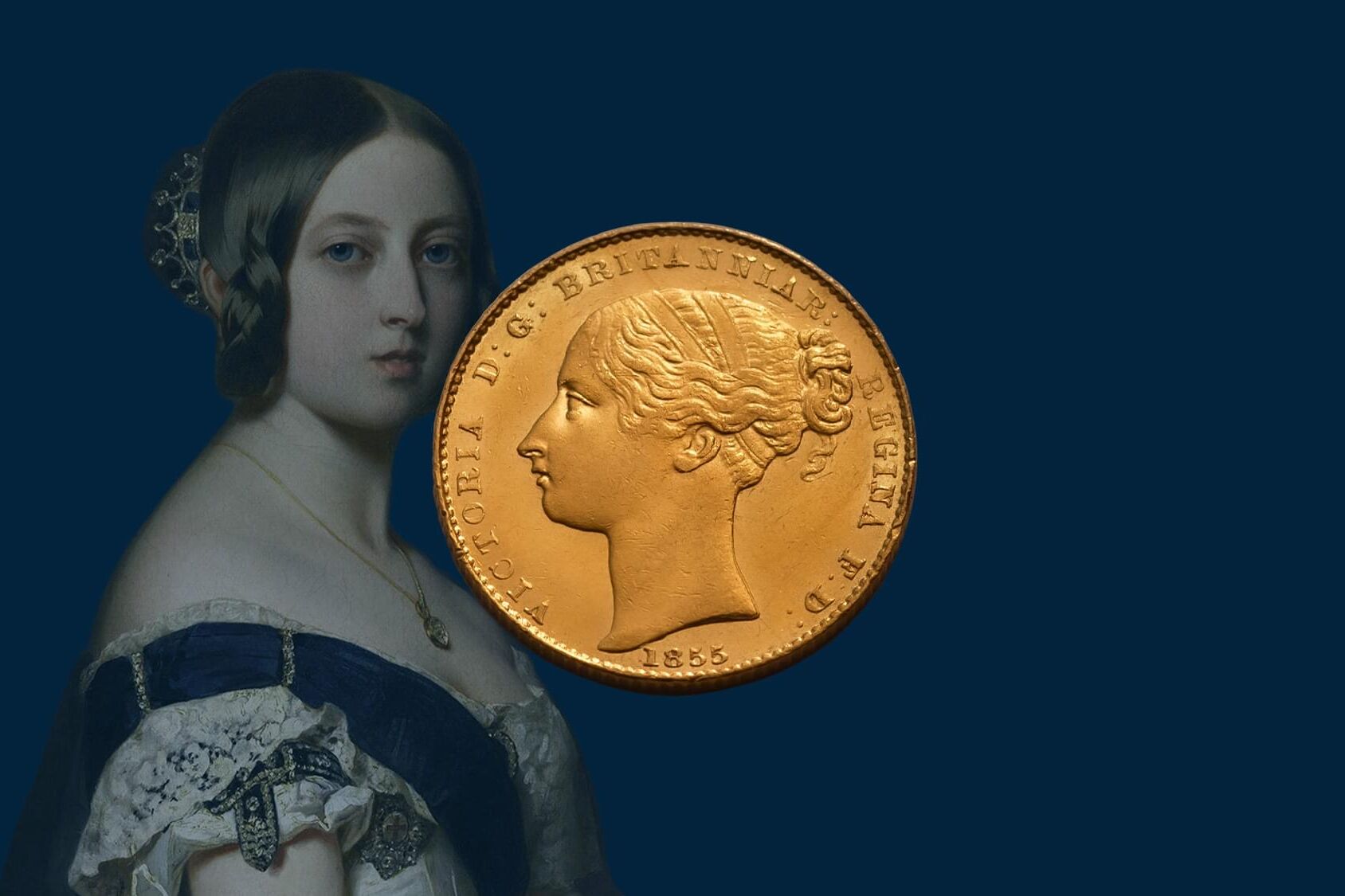
1855 Gold Sovereign and 1855 Half Sovereign
The discovery of gold in 1851 opened an extraordinary chapter in Australia's history, transforming the economy and the nation's social order. And resulted in the establishment of the nation's first mint, the Sydney Mint, opening on 14 May 1855.
The Sydney Mint struck a modest 502,000 Sovereigns in its first year of operation. And an even more modest 21,000 Half Sovereigns. The Sydney Mint continued to strike sovereigns until its closure in 1926, and half sovereigns until 1917.
The reverse design of the 1855 Sovereign (and Half Sovereign) was based loosely around contemporary reverse designs of the British sixpence and shilling. Its strong point of difference to the British sovereigns was the inclusion of the words 'Australia' and 'Sydney Mint'.
For collectors looking to obtain just one gold sovereign or gold half sovereign, a coin struck at the nation's first mint, the Sydney Mint, in its year of opening is the obvious choice. Fewer than two hundred and fifty examples are known of the 1855 Sydney Mint Sovereign and less than forty of the 1855 Sydney Mint Half Sovereign.
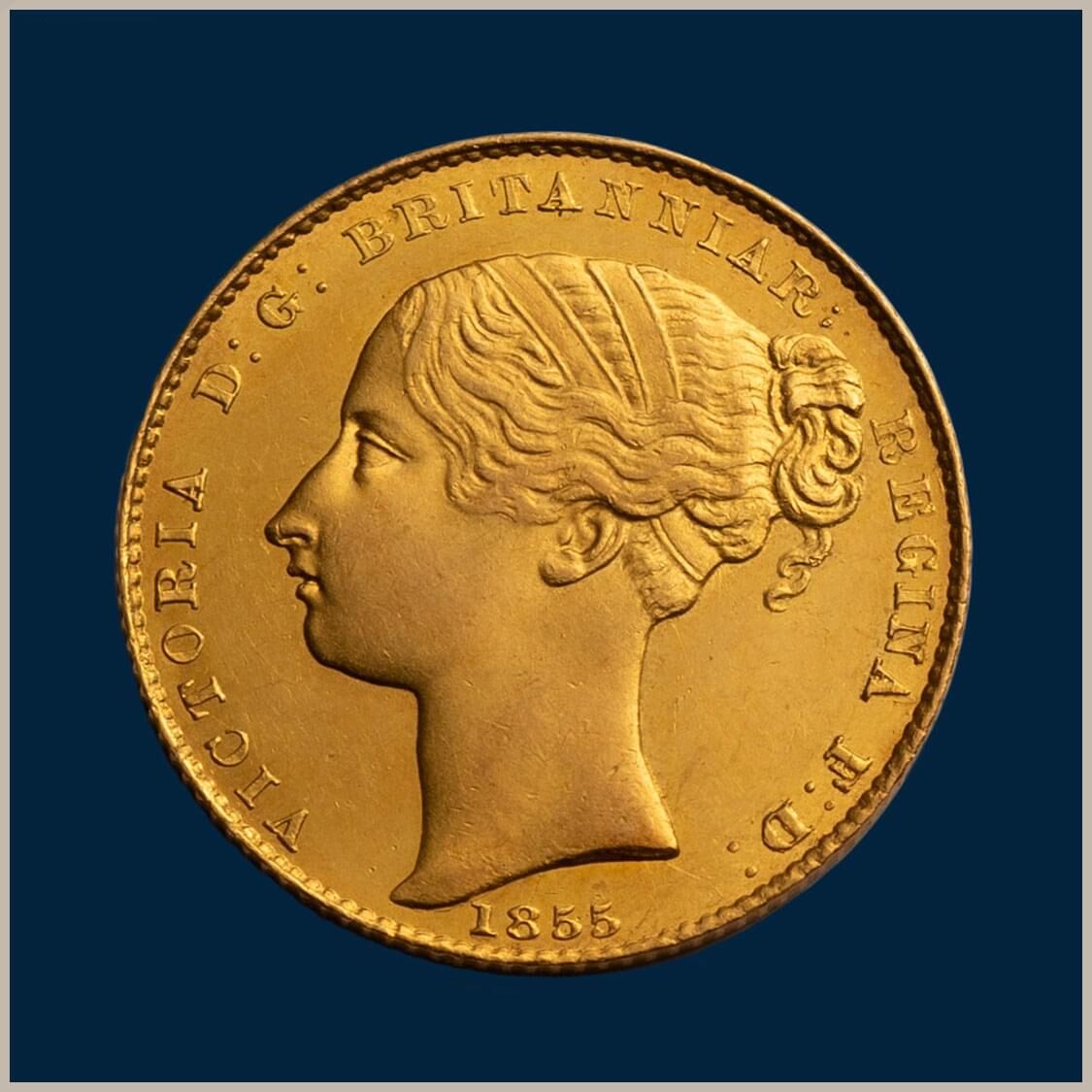
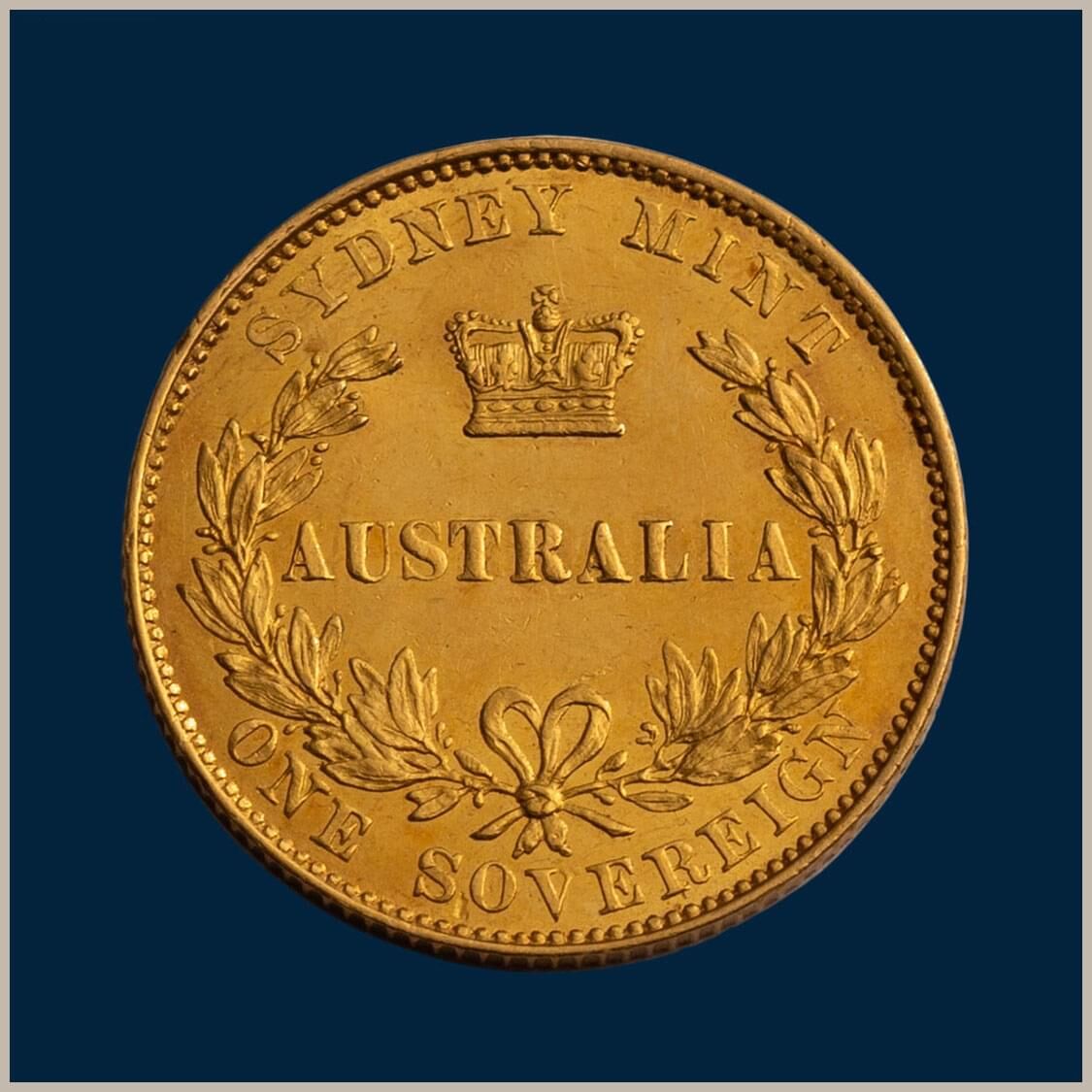
The 1855 Sydney Mint Sovereign
Gold Sovereign and Half Sovereign Proof and Specimen Presentation Pieces (1853 - 1931)
When the Royal Mint London or the British Museum requested a sample of a sovereign or half sovereign from an Australian Mint, they were never sent a mere circulation strike. Nor would a circulation strike be sent to the monarch, or gifted to a dignitary. And a circulation strike would not be displayed at an Exhibition.
The mint would employ special techniques and create a presentation piece (technically called a Coin of Record) striking the coin to a proof or specimen finish. A piece that could be sent to another public institution, the monarch or put on show at an Exhibition and that would reflect the mint's supreme coining talents.
A Coin of Record is an artistic interpretation of coinage, a strikingly beautiful coin beyond ordinary currency, individually crafted to standards far exceeding that required of a circulating coin. The coins were not produced every year and, as they were individually crafted, the process was time consuming and the mintages tiny, therefore. For gold proofs, generally four pieces or less were created.
Presentation pieces of sovereigns and half sovereigns are visually stunning, distinguished by brilliant golden-mirror surfaces. Extremely rare and ultra-exclusive, the coins have been the hunting ground of investors for decades.
They are the crown jewels of coinage, adding glamour and exceptionality to any collection!
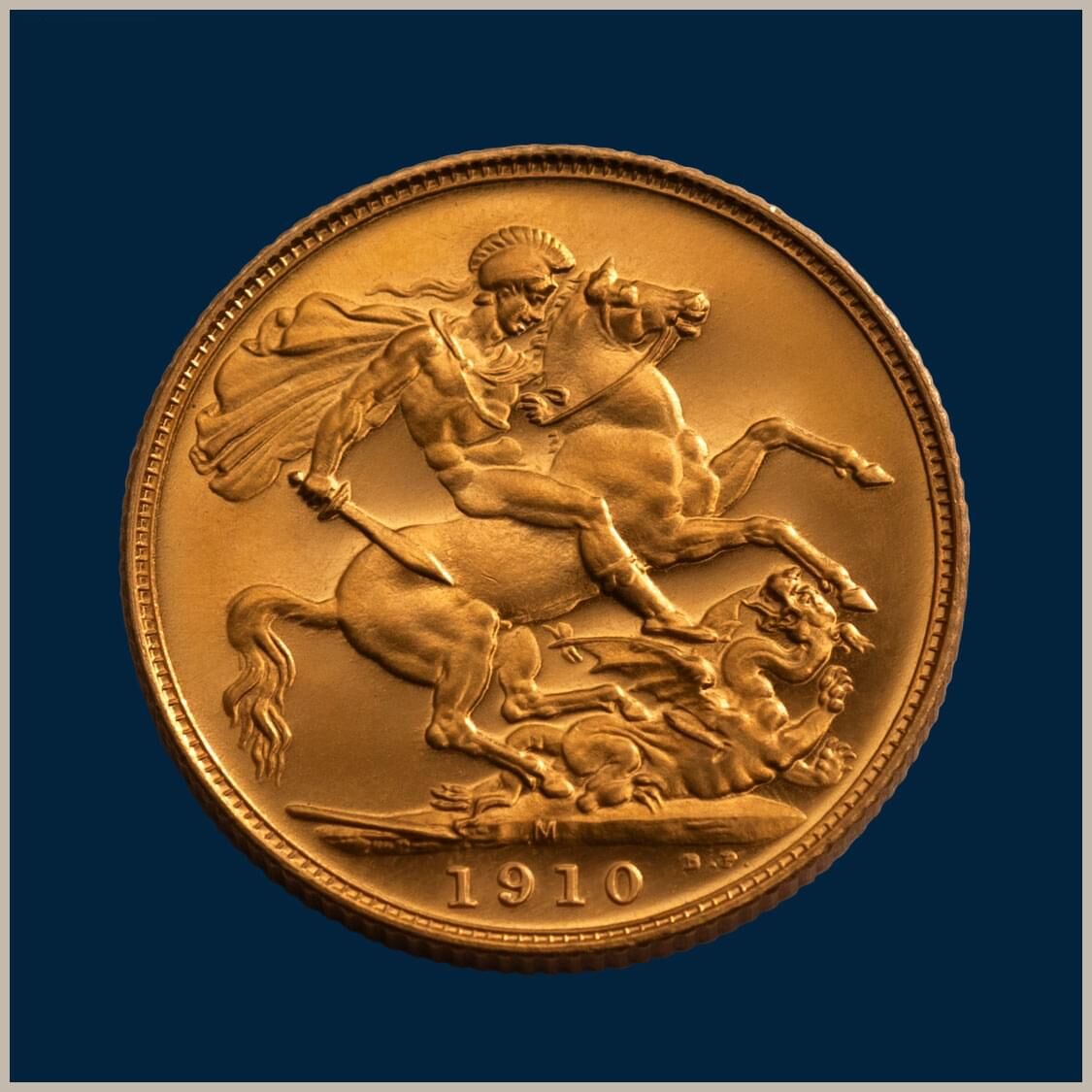
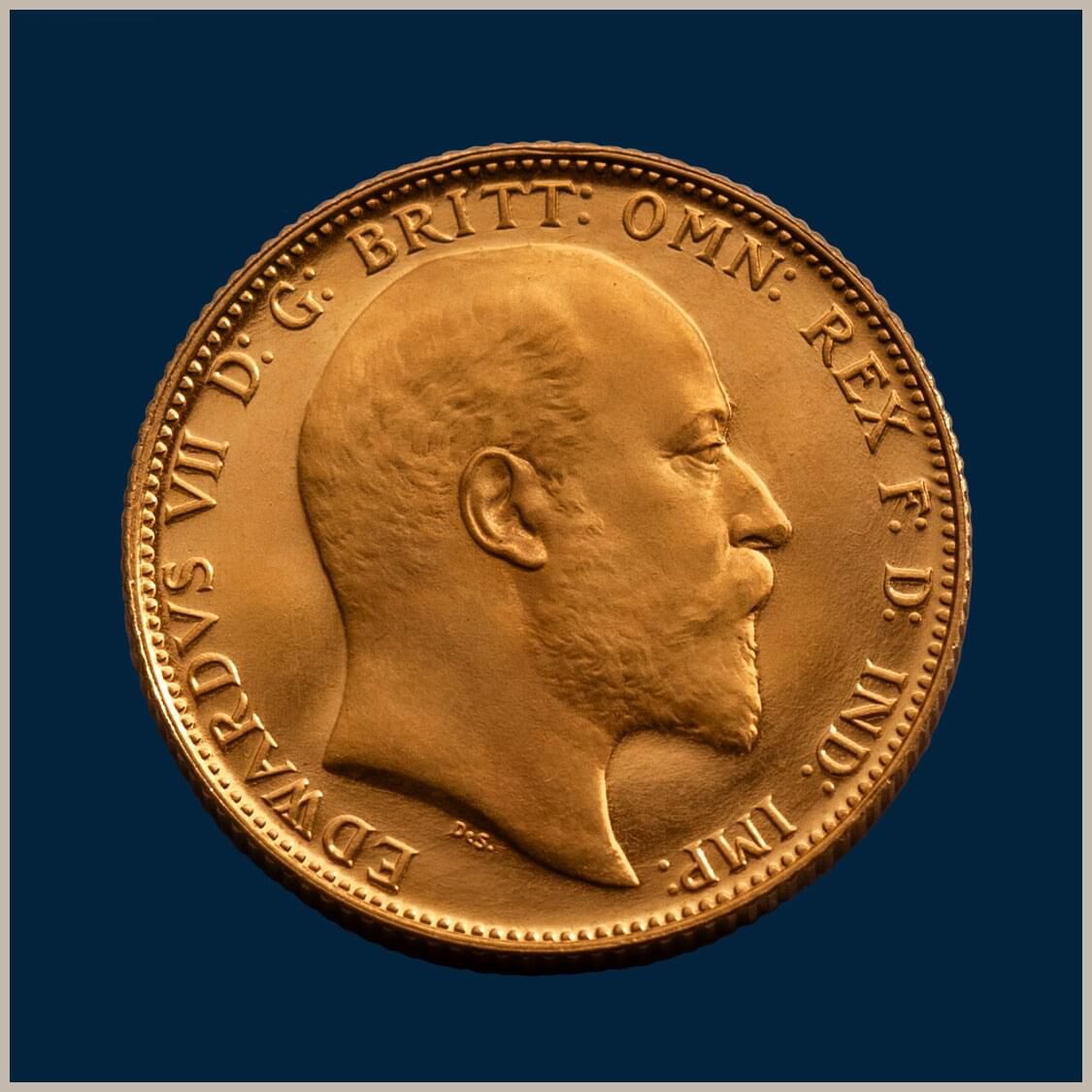
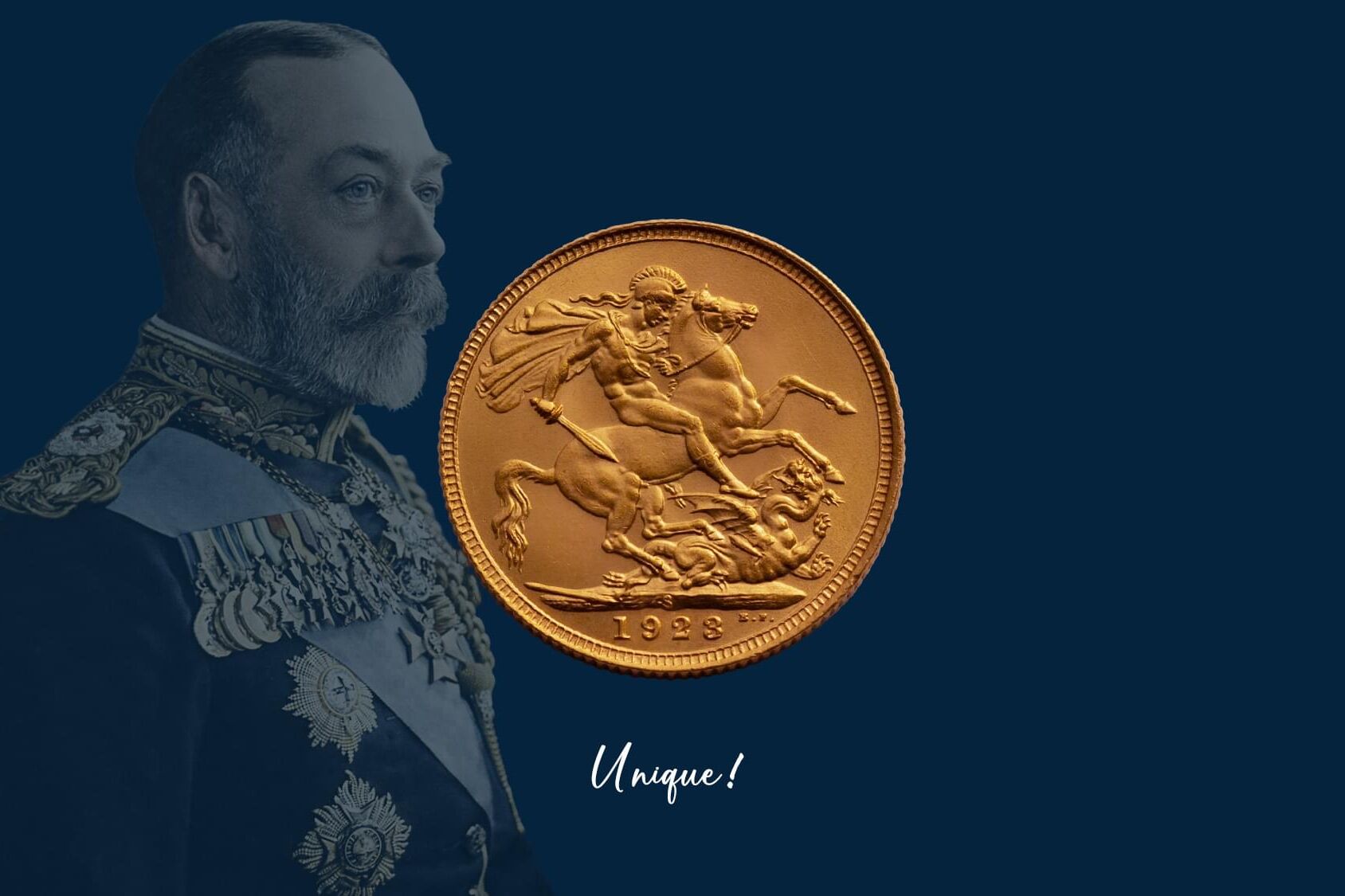
The Proof 1910 Sovereign
The Kookaburra Penny (1919 - 1921)
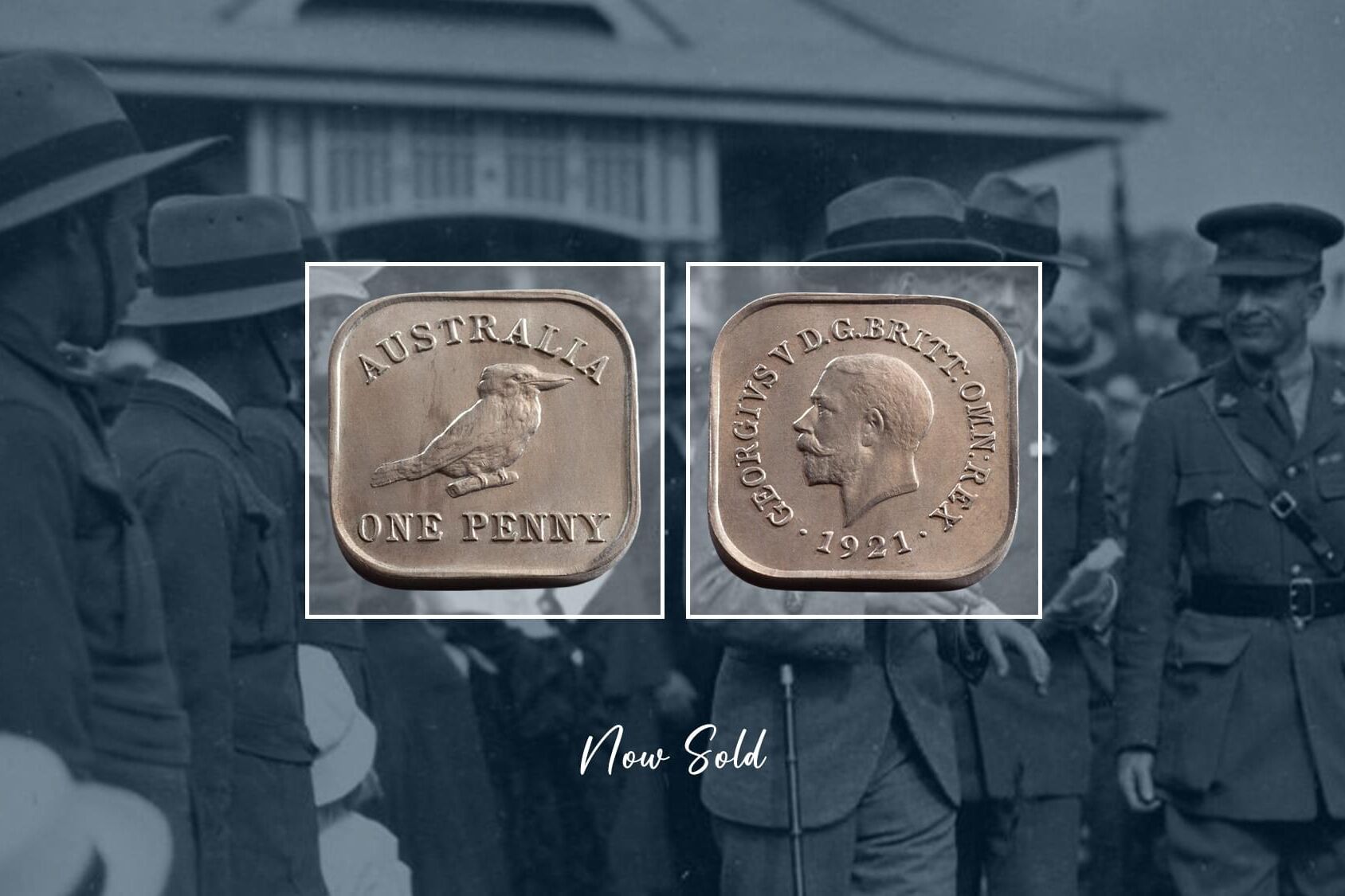
The Kookaburra Penny and Halfpenny coins represent a visionary series that re-imagined Australia's currency for a new era after World War I. A time when Australia began to assert its own voice with a shift from British mimicry to Australian originality.
With an appetite for experimentation, the then Labor Government proposed a radical square coinage featuring the nation's native bird, the kookaburra. A far cry from the British styled round coins in use at the time.
Trials commenced at the Melbourne Mint in 1919 and continued until 1921 with the test pieces ultimately passed to dignitaries and Government officials to assess their reaction. Sadly, in 1921 and after three years of testing, the scheme fell apart. The final decision not to proceed seems to have been based mainly on the consideration that vending machines used a circular coin.
Today there are less than one hundred and fifty kookaburra coins held by private collectors. The best thing for collectors is that the kookaburra coins do not carry the same design. The Melbourne Mint tested thirteen different coin styles introducing enormous interest, personal choice and procurement challenges into the series, for some designs are far rarer than others.
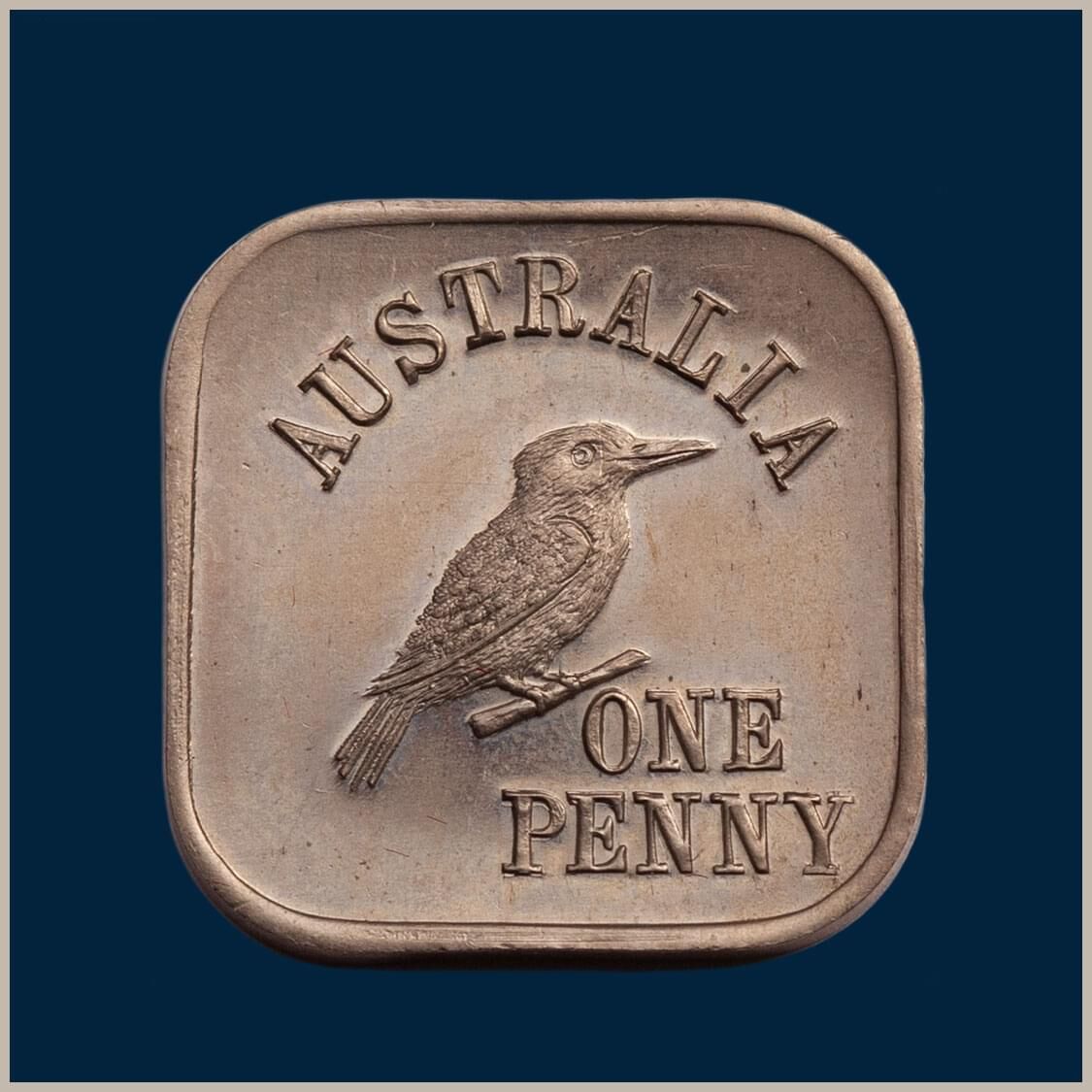
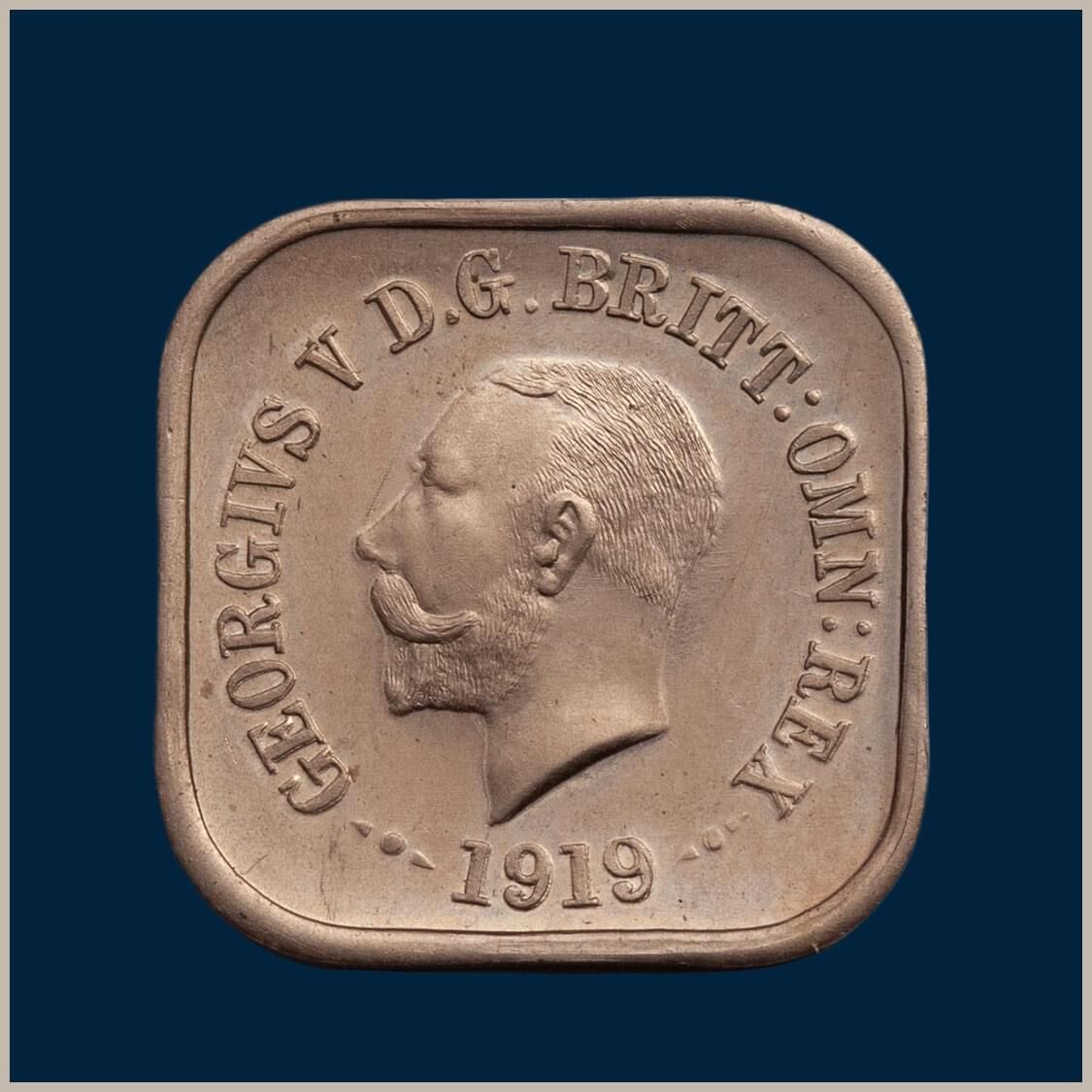
The 1919 Kookaburra Square Penny
Silver Proof Presentation Pieces (1910 - 1963)
Creating a presentation piece of a coin that was struck for circulation was a tradition of the Royal Mint London that is centuries old. It was a tradition that was taken up by the Australian mints.
The coins are technically referred to as Coins of Record and were, in the main, struck to a proof finish.
A Coin of Record is an artistic interpretation of coinage, a strikingly beautiful coin beyond ordinary currency, individually crafted to standards far exceeding that required of a circulating coin. And created in the most minute numbers. Forget the notion of striking one thousand proofs, as collectors are accustomed to today. Let's talk about striking ten coins ... or less!
A proof coin was never intended to be used in every-day use, tucked away in a purse. Or popped into a pocket. In the main, Coins of Record ended up in the mint’s own archives, preserving its history for future generations. Any coins that were surplus to requirements may also have been sent to a museum or public institution. The Australian mints at Sydney, Melbourne and Perth were branches of the Royal Mint in London. To keep the mints in the Royal Mint circuit up to date it became common for the Australian mints to exchange Coins of Record with their London counterparts.
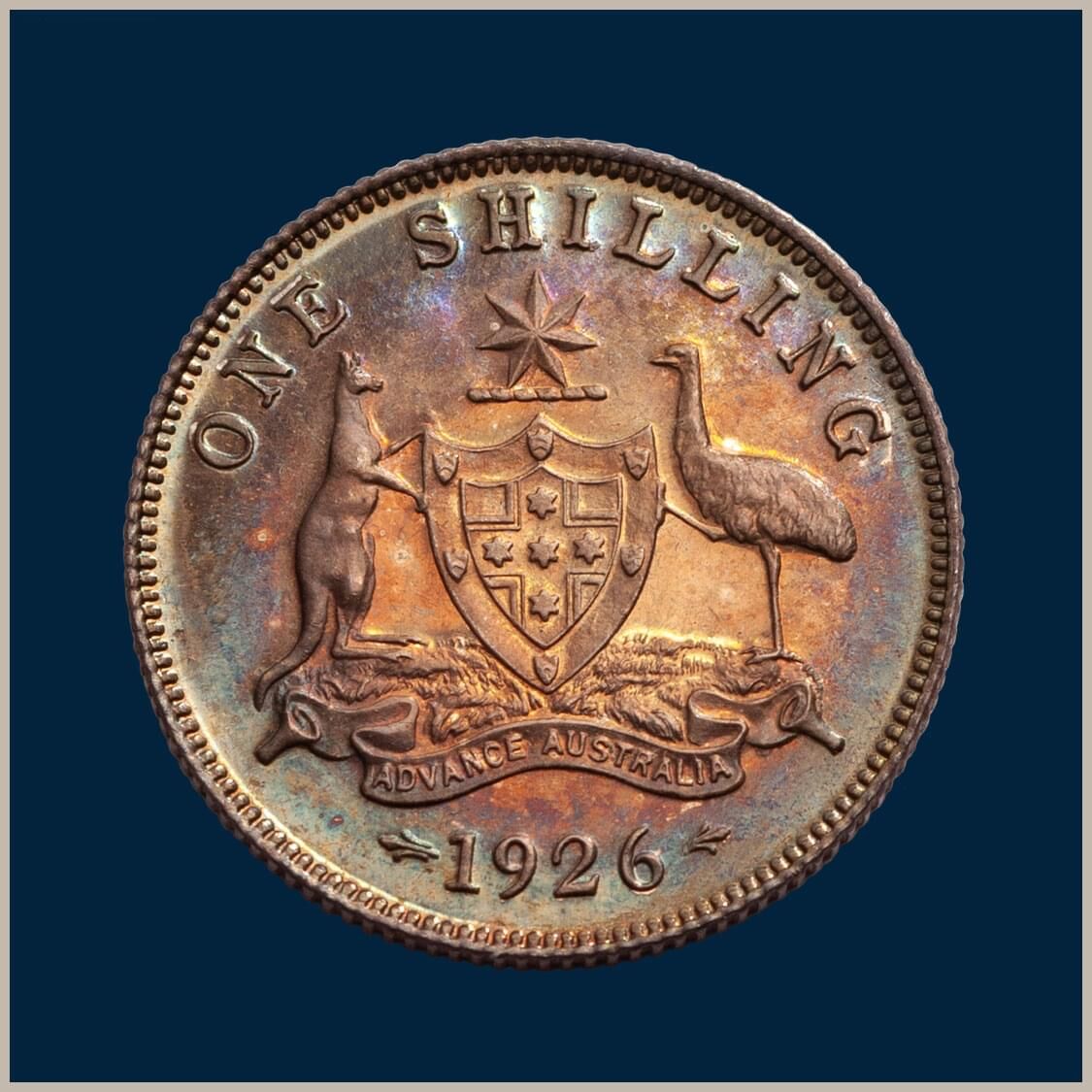
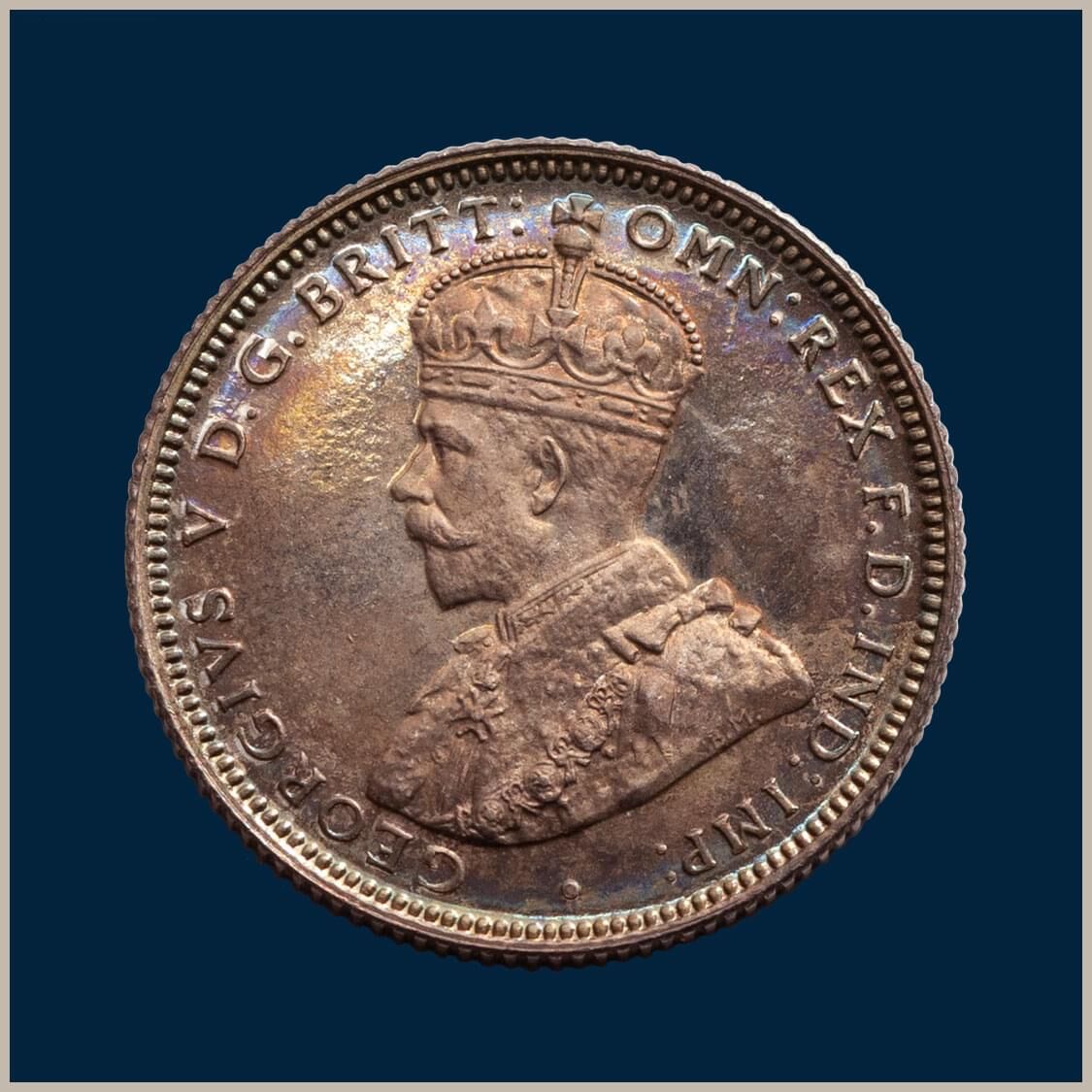
The 1926 Proof Shilling
Commercial Proofs (1916 to 1953)
Today, buying your favourite collector coin from the Royal Australian Mint, Canberra, has never been easier. Our Canberra Mint is today geared to the needs of collectors, selling coins as part of an on-going collector program that is commercially viable. It is a win-win. Collectors are happy pursuing their hobby. And it is a profitable exercise for the mint.
Commencing in 1916, the Melbourne Mint became a prolific producer of coins for circulation. But the notion of producing limited edition pieces to sell to collectors was not on the mint's agenda.
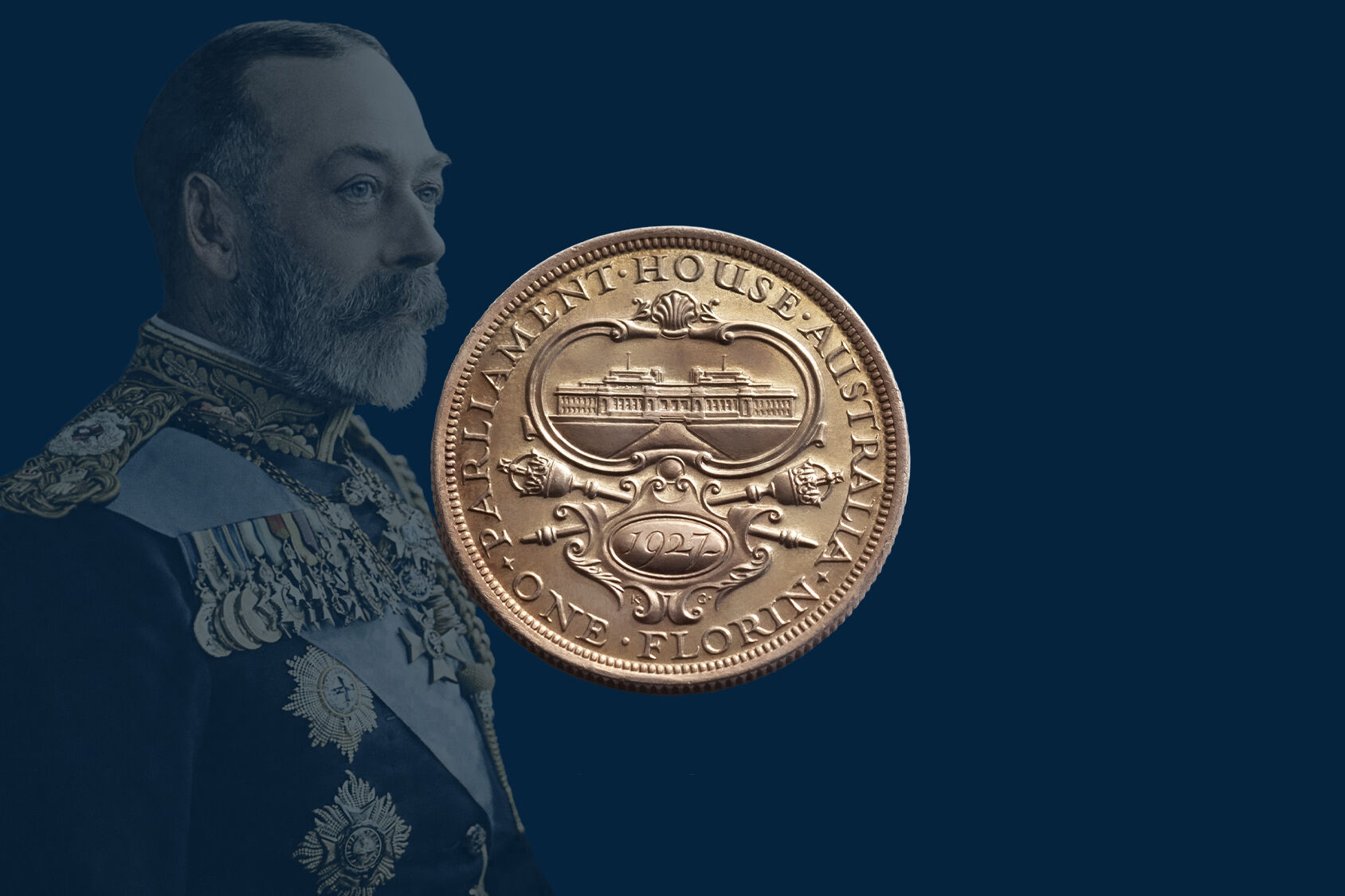
Over the period, 1916 to 1953 there were only eight years in which the Melbourne Mint produced coins on a commercial basis: 1916, 1927 (the famous 1927 Proof Canberra Florin), 1934, 1935, 1937, 1938, 1939 and 1953. The period represented a test phase for both the Melbourne Mint and the Government, to assess the reaction to, and the profitability of, regular collector coin production.
These Melbourne Mint coins are important and they are rare. And were pivotal in changing Australia's coin collecting landscape in the twentieth and twenty first centuries.
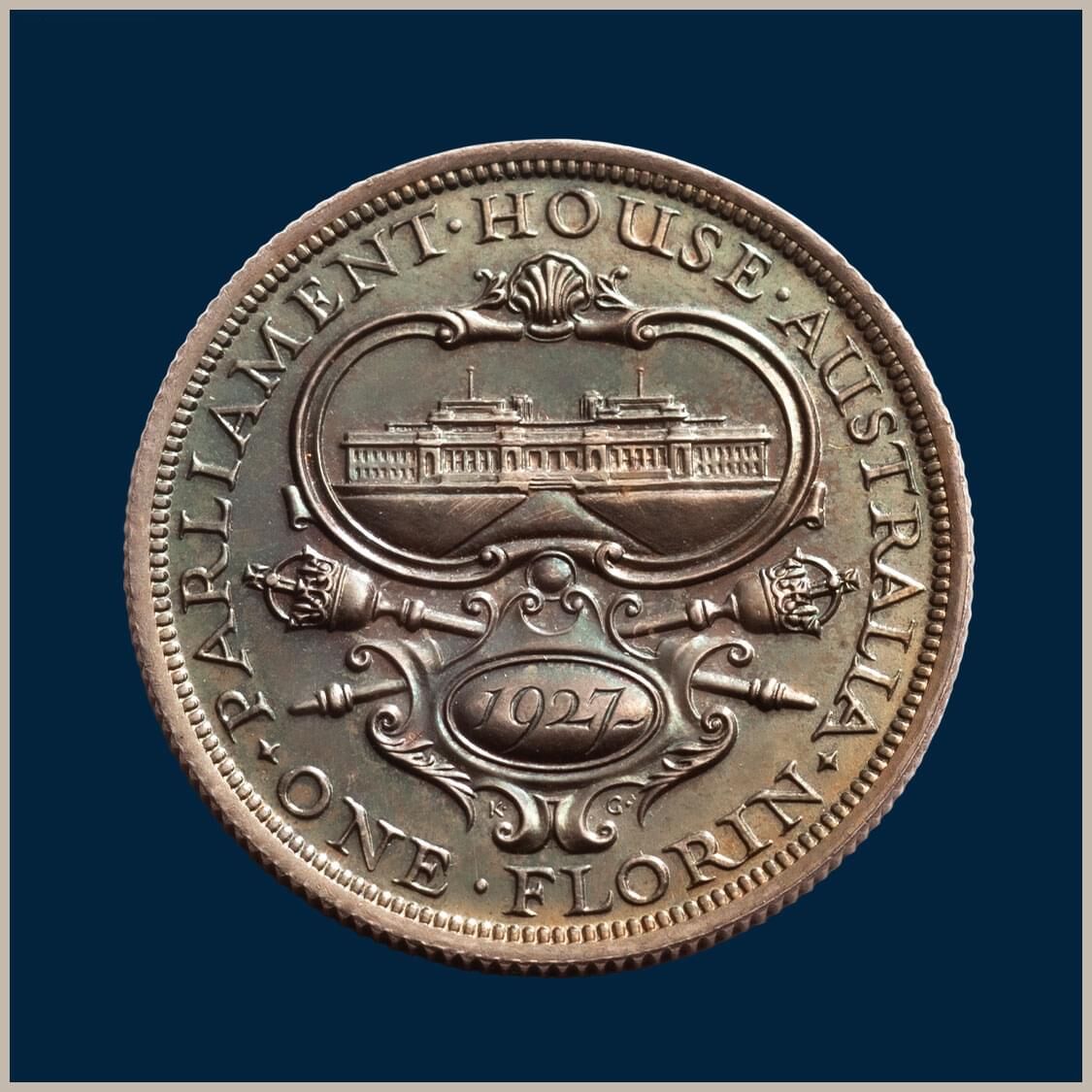
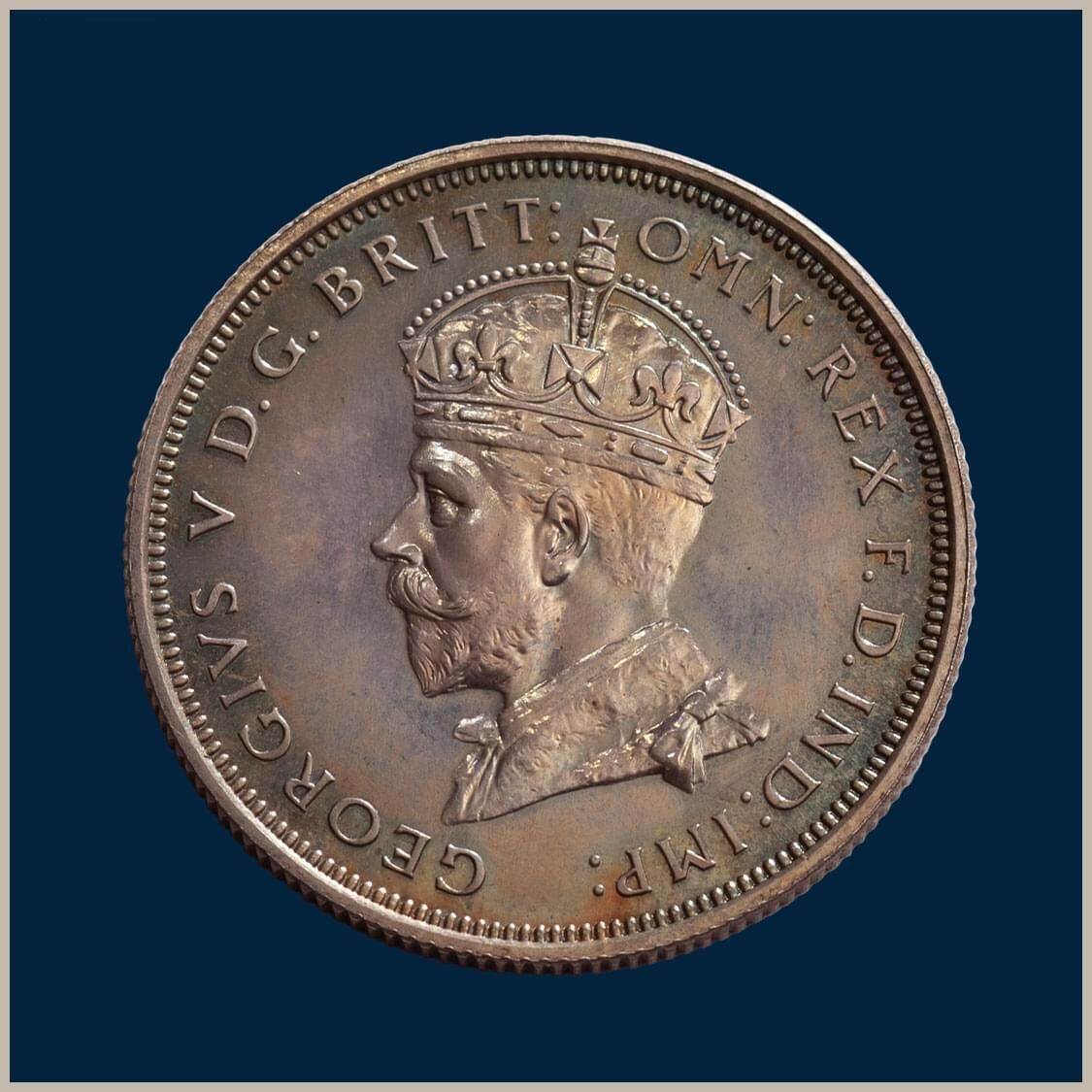
The 1927 Proof Canberra Florin
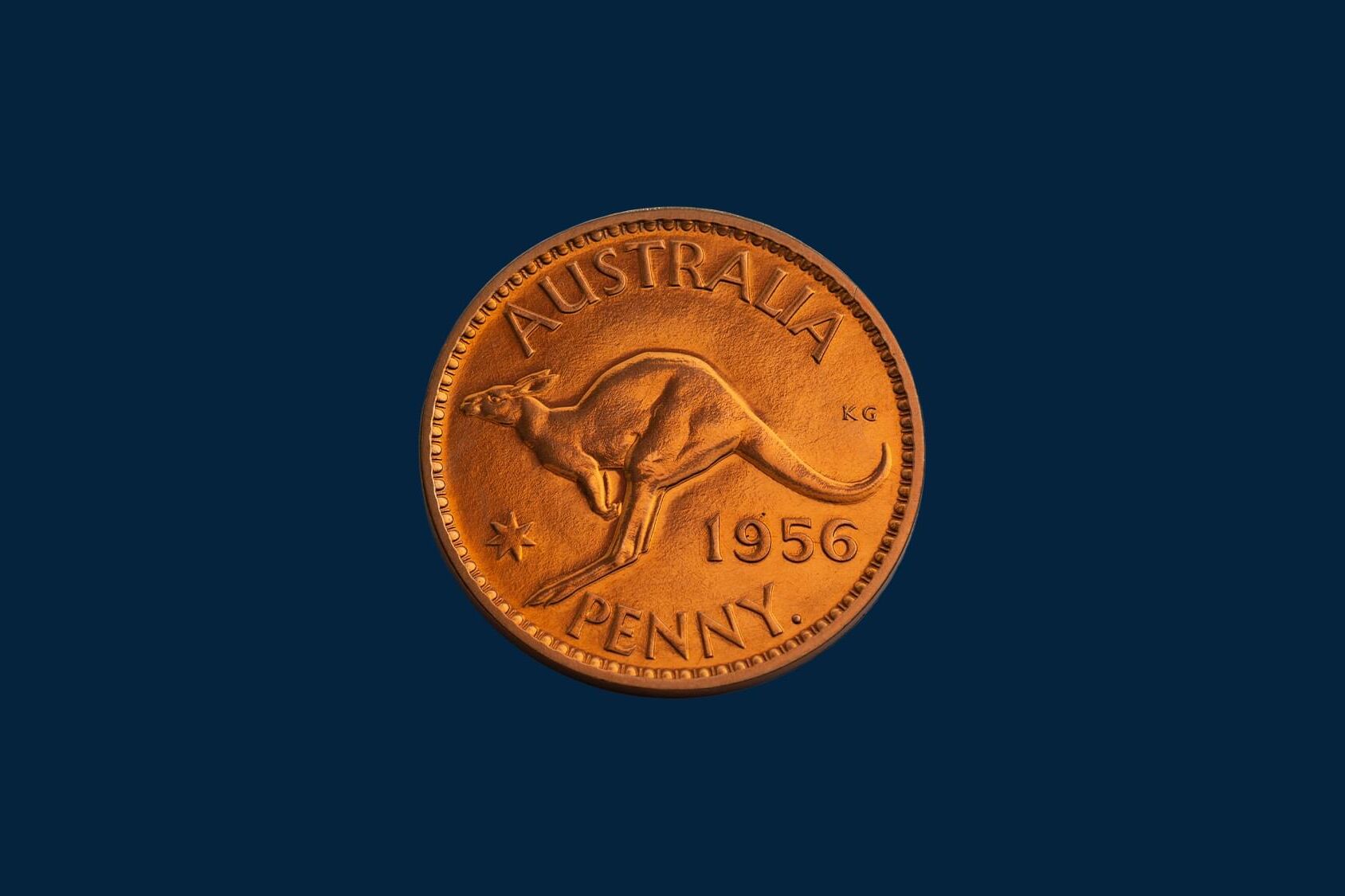
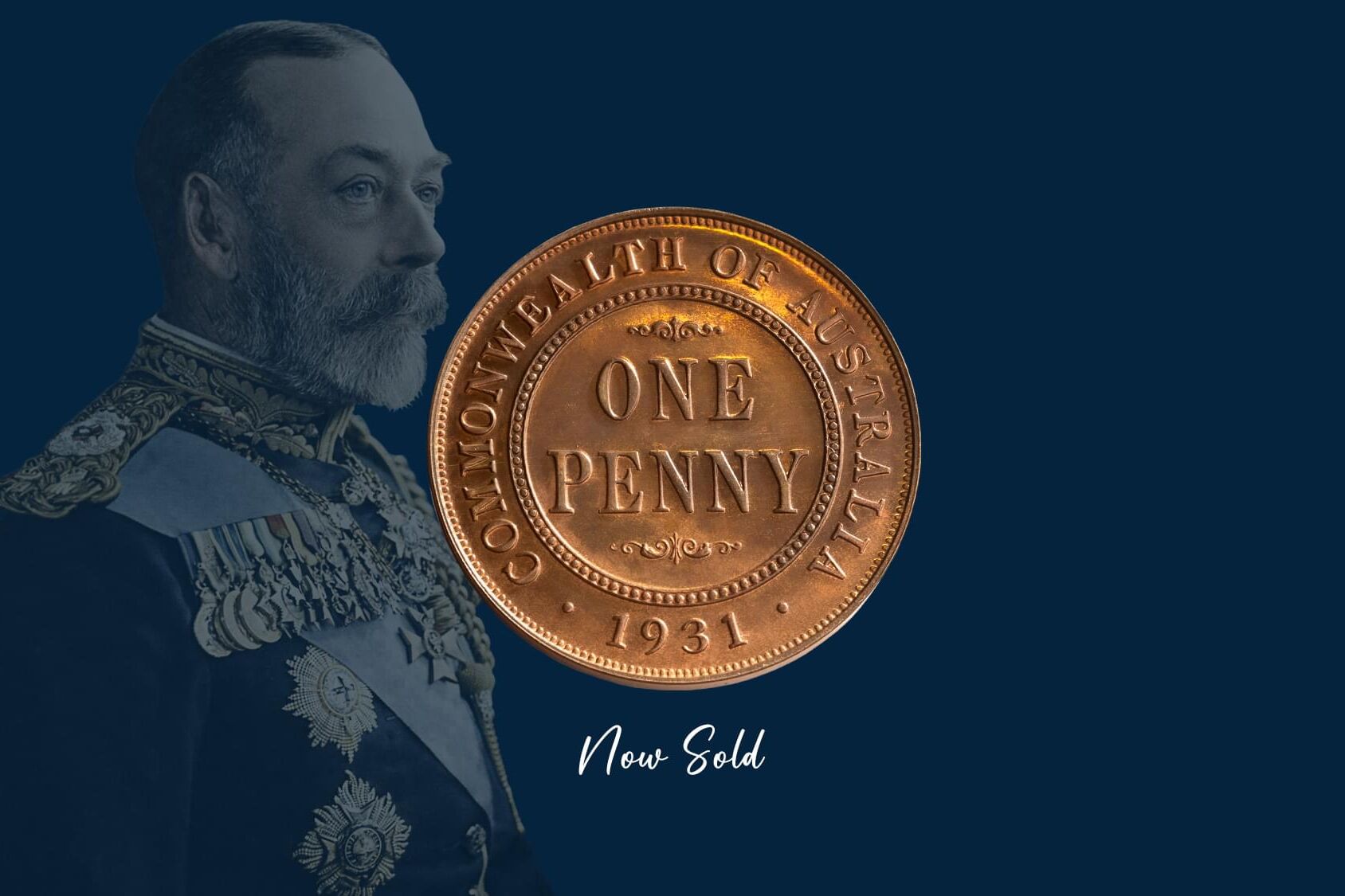
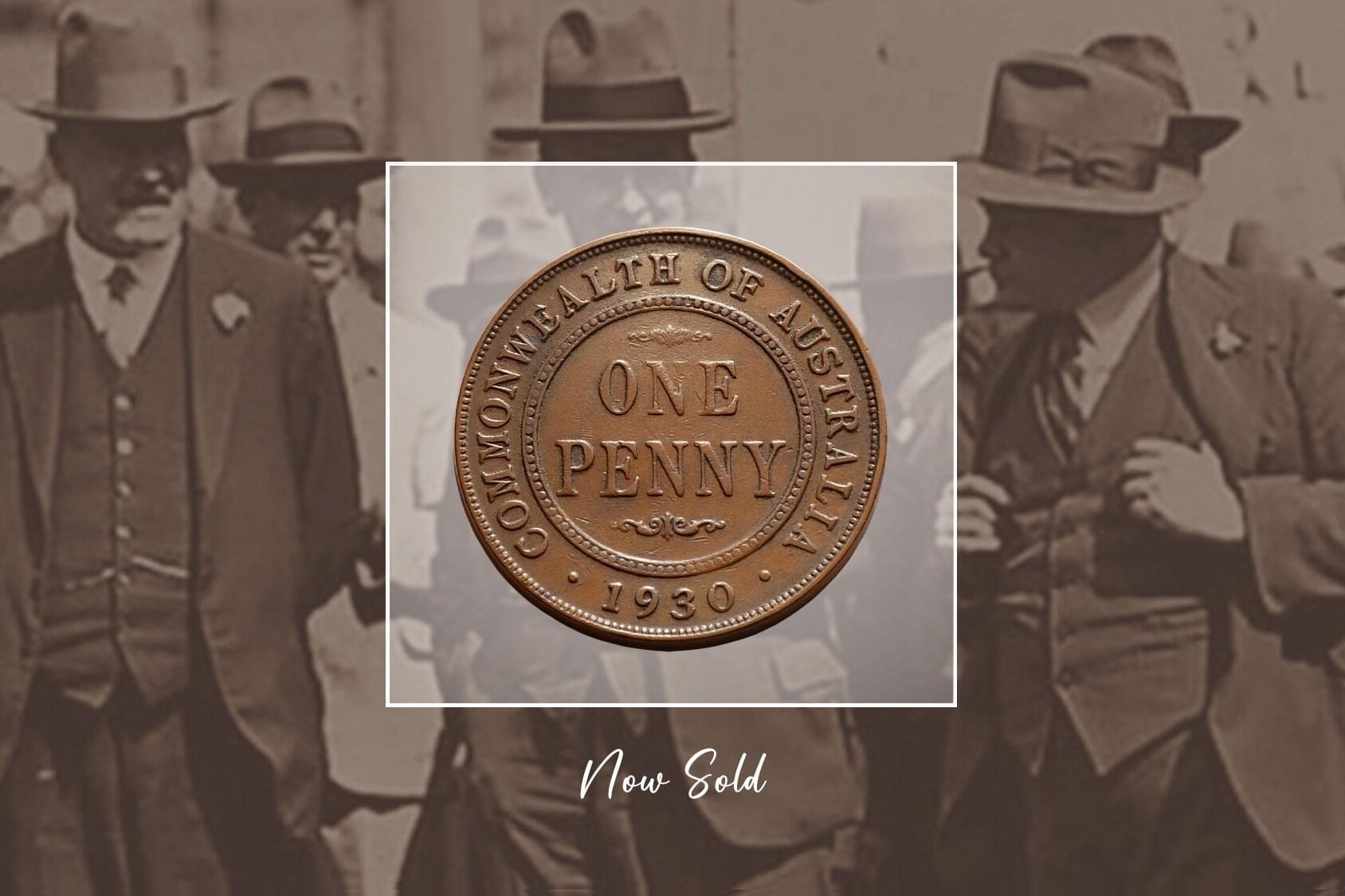
The 1930 Penny
The 1930 Penny is a part of Australian folklore. The coin is a national icon and its star status has made it one of Australia’s most valuable coins. And our most popular.
For those looking for nostalgia, the buying of a 1930 Penny is pure passion and excitement, living out and realising a childhood dream of owning Australia’s most famous coin. Rekindling childhood memories. Or evoking family memories. For others it is acquired as an investment. Or a family heirloom to pass on to children or grandchildren.
What is most interesting is that the 1930 Penny stumbled into fame. A review of records at the Melbourne Mint confirms that apart from the six 1930 Pennies struck as presentation pieces to a proof finish, no pennies were struck for circulation in that year. The suggestion is that a few circulating strikes may have been minted at the same time as the Proof version, set aside and inadvertently issued years later by mistake.
The suspected mintage is one thousand five hundred, with a thousand of those now available to collectors. That no one has a definite answer as to how it was minted, only adds to the romance and the mystery that has shaped the image and profile of Australia’s 1930 Penny.
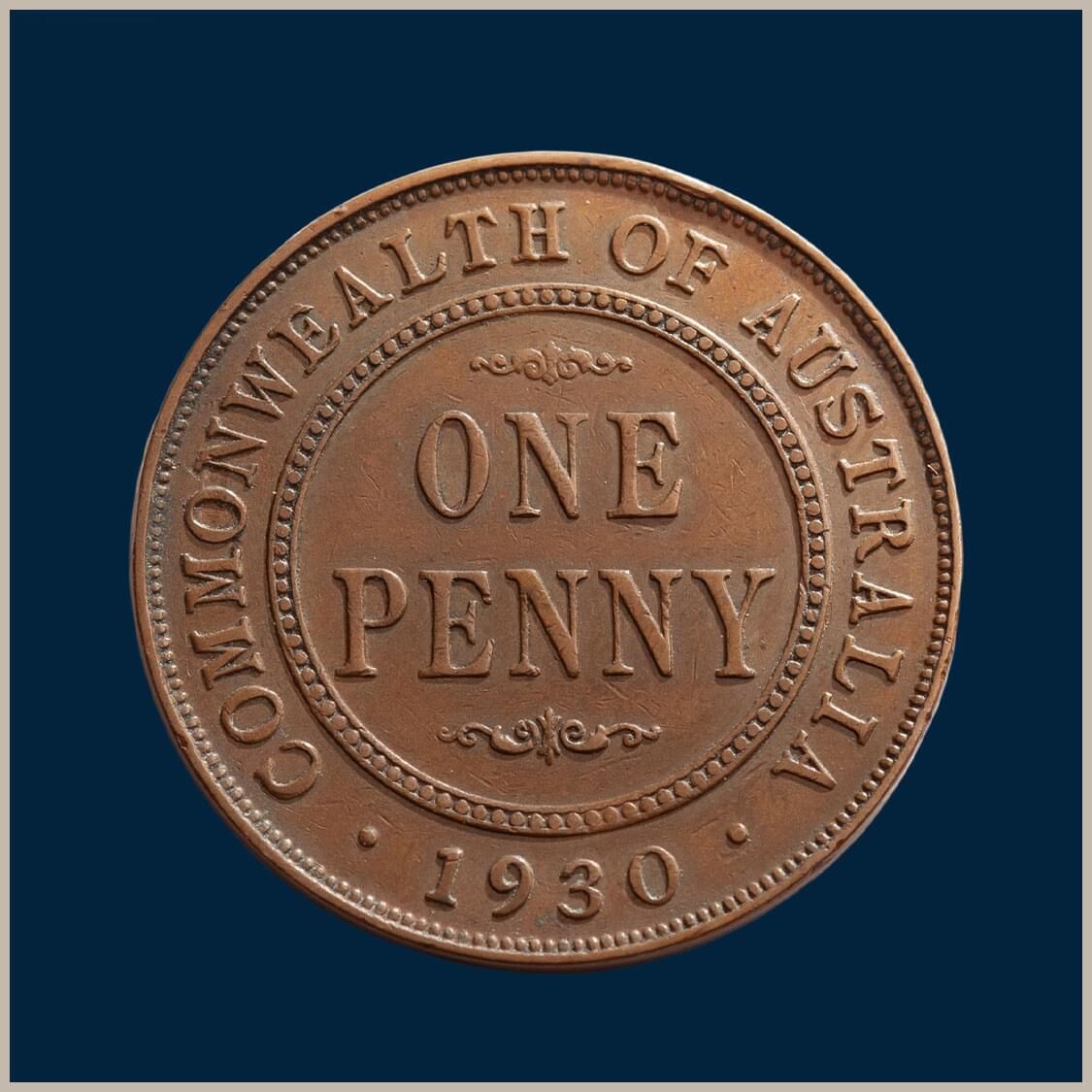
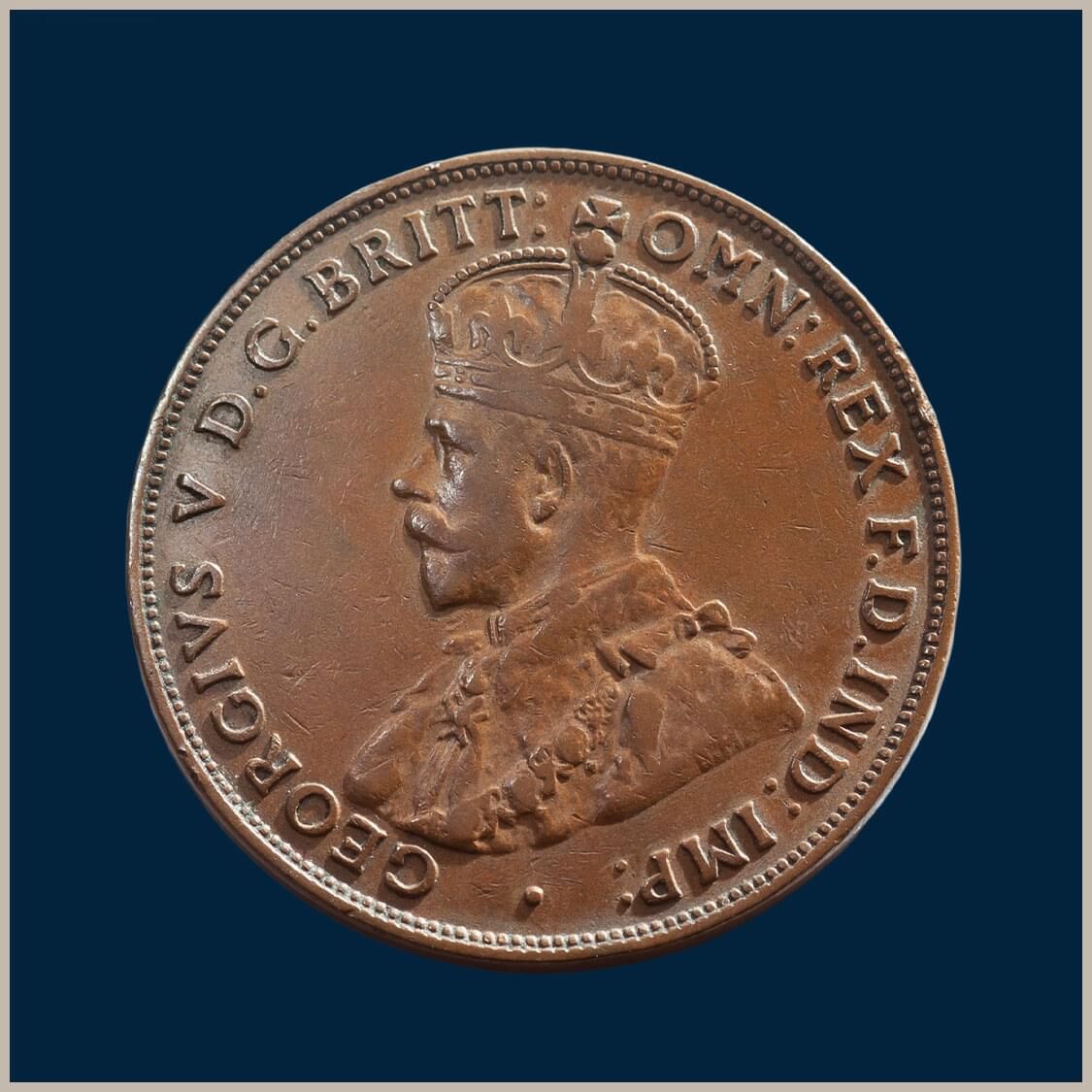
The 1930 Penny
Copper Proof Presentation Pieces (1911 - 1964)
Creating a presentation piece of a coin that was struck for circulation was a tradition of the Royal Mint London that is centuries old. It was a tradition that was taken up by the Australian mints.
The coins are technically referred to as Coins of Record and were, in the main, struck to a proof finish.
A Coin of Record is an artistic interpretation of coinage, a strikingly beautiful coin beyond ordinary currency, individually crafted to standards far exceeding that required of a circulating coin. And created in the most minute numbers. Forget the notion of striking one thousand proofs, as collectors are accustomed to today. Let's talk about striking twenty ... or less!
A proof coin was never intended to be used in every-day use, tucked away in a purse. Or popped into a pocket. In the main, Coins of Record ended up in the mint’s own archives, preserving its history for future generations. Any coins that were surplus to requirements may also have been sent to a museum or public institution. The Australian mints at Sydney, Melbourne and Perth were branches of the Royal Mint in London. To keep the mints in the Royal Mint circuit up to date it became common for the Australian mints to exchange Coins of Record with their London counterparts.
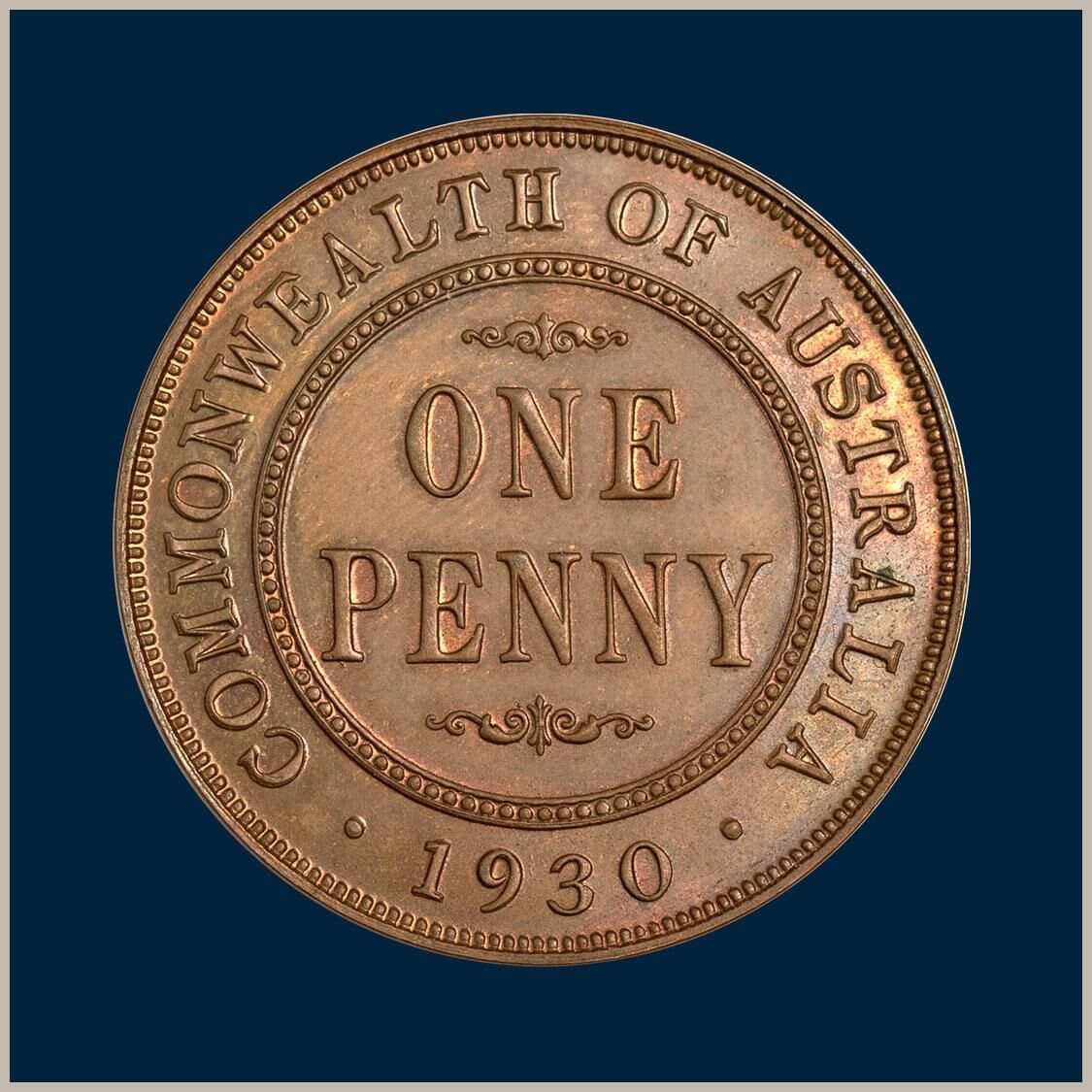
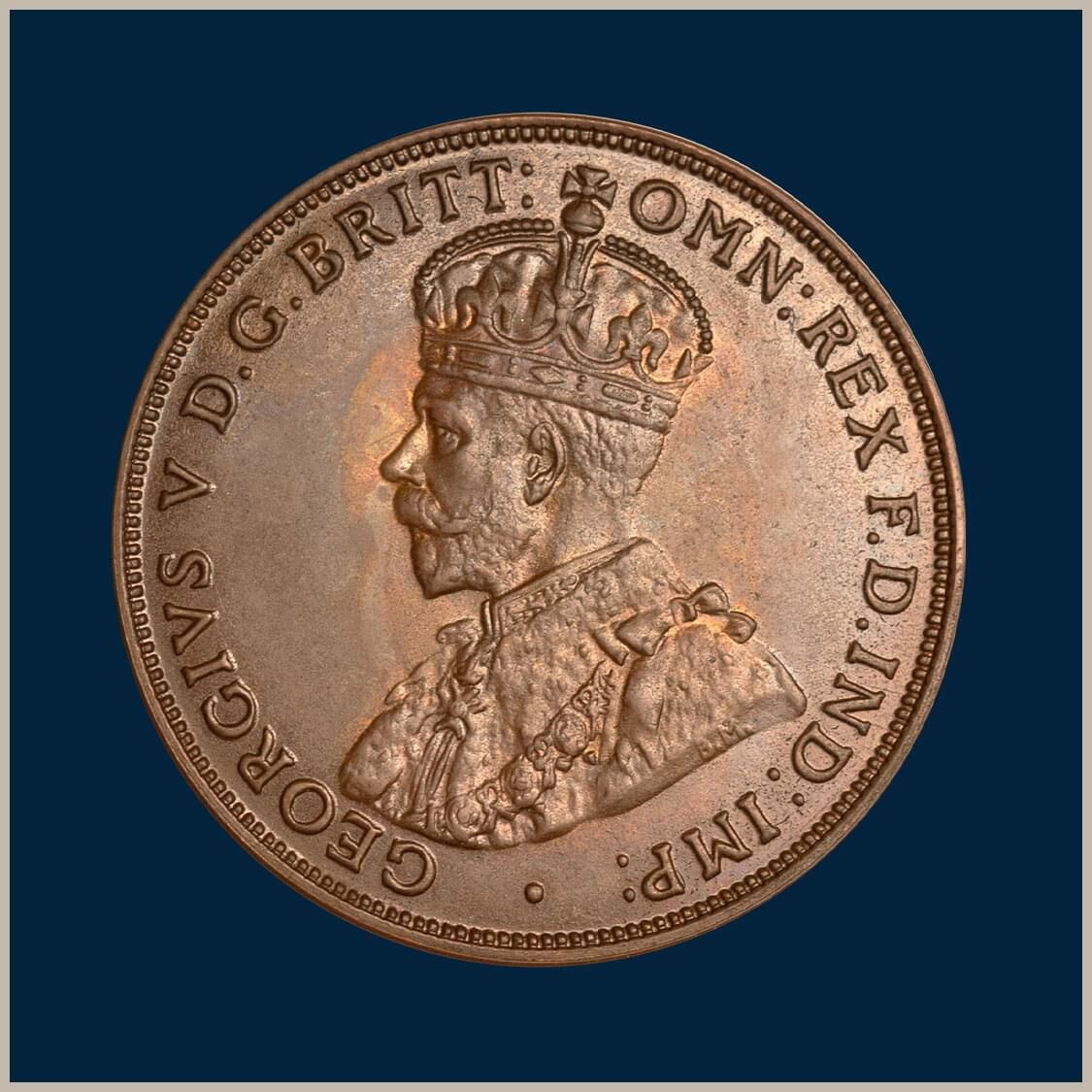
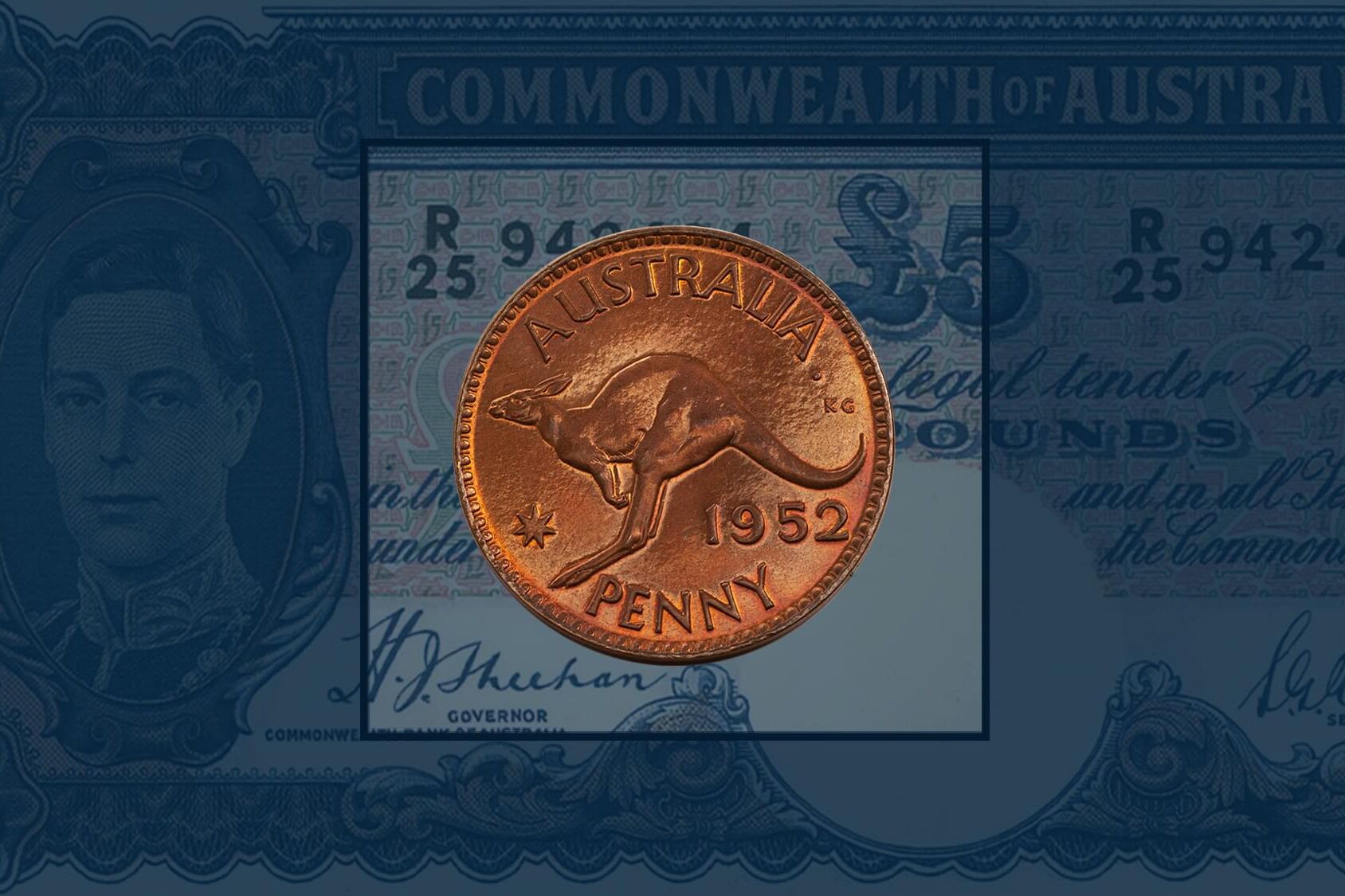
Australia's most valuable penny!
The Proof 1930 Penny.
Coinworks recommends
© Copyright: Coinworks