The Complete Kookaburra Collection: coins produced for Australians, by Australians, in 1919, 1920 and 1921.
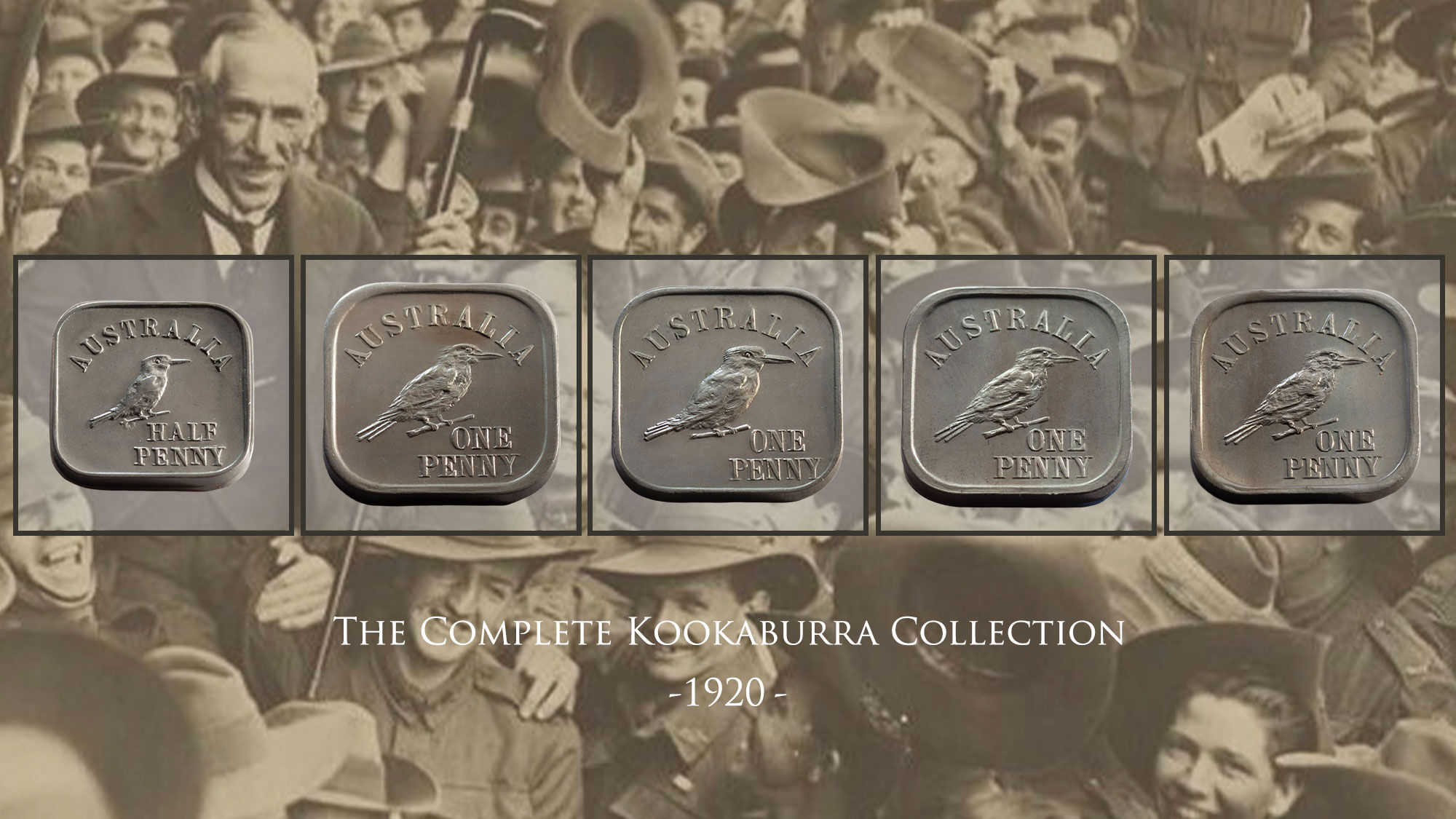
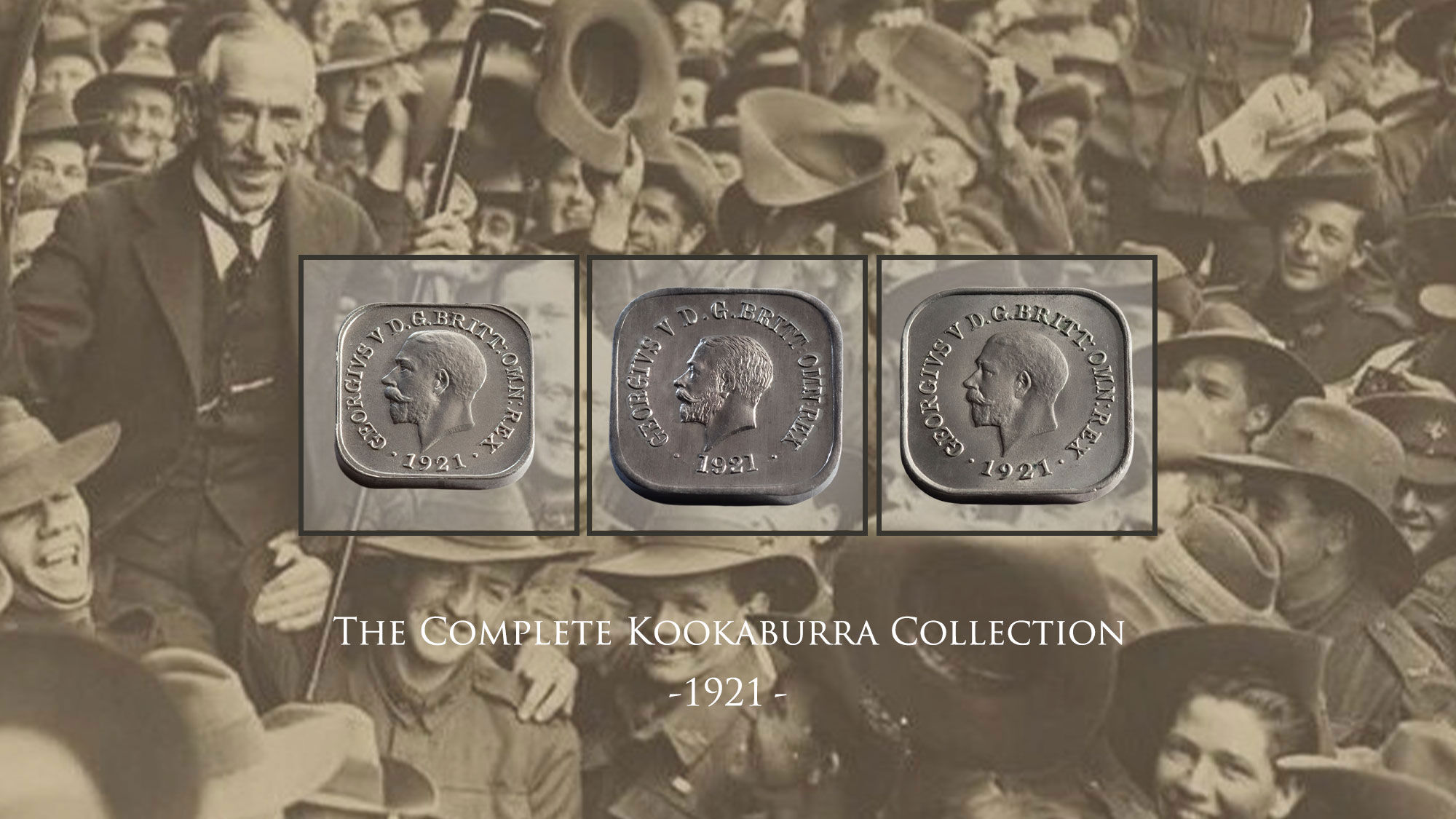
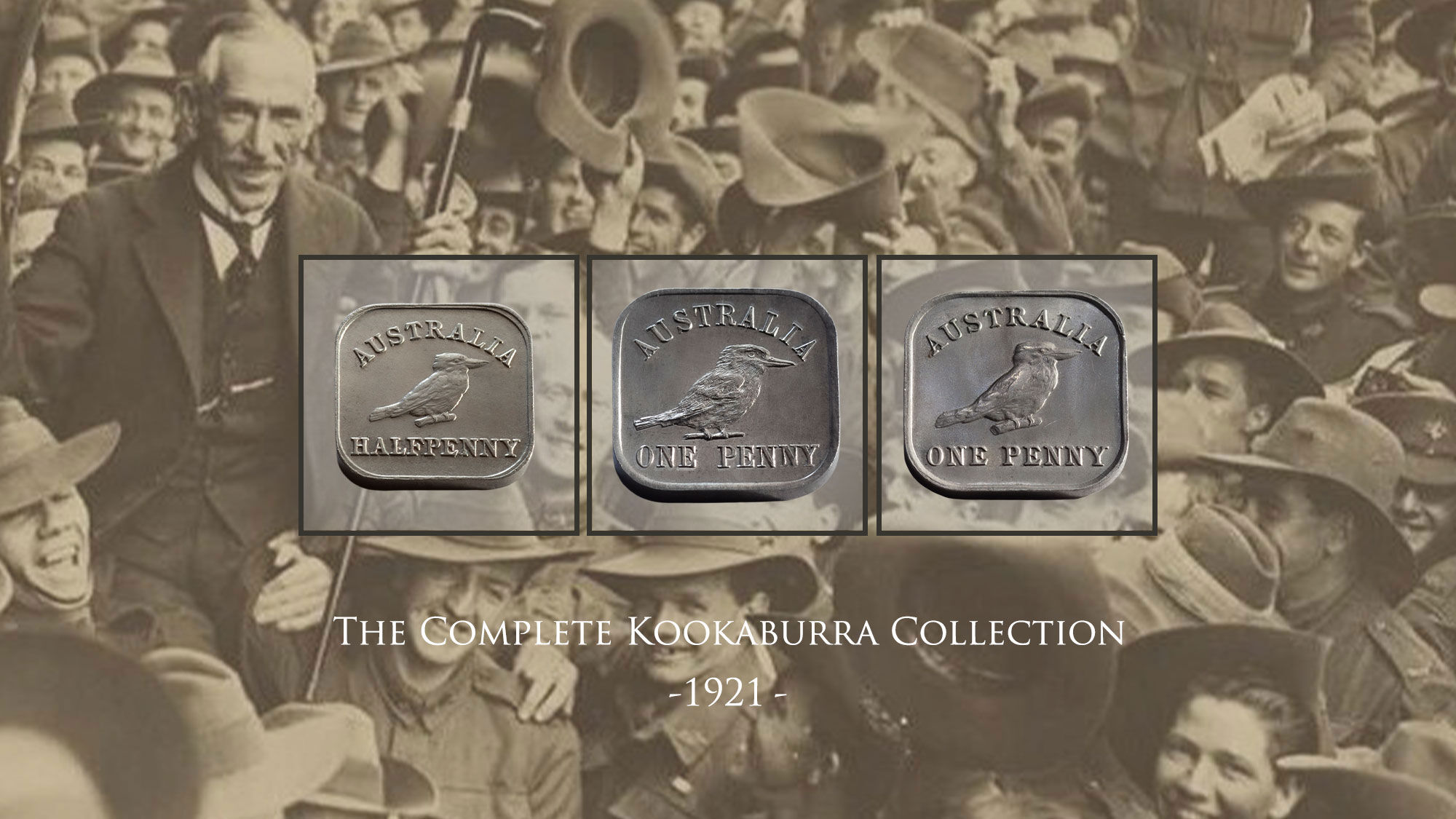
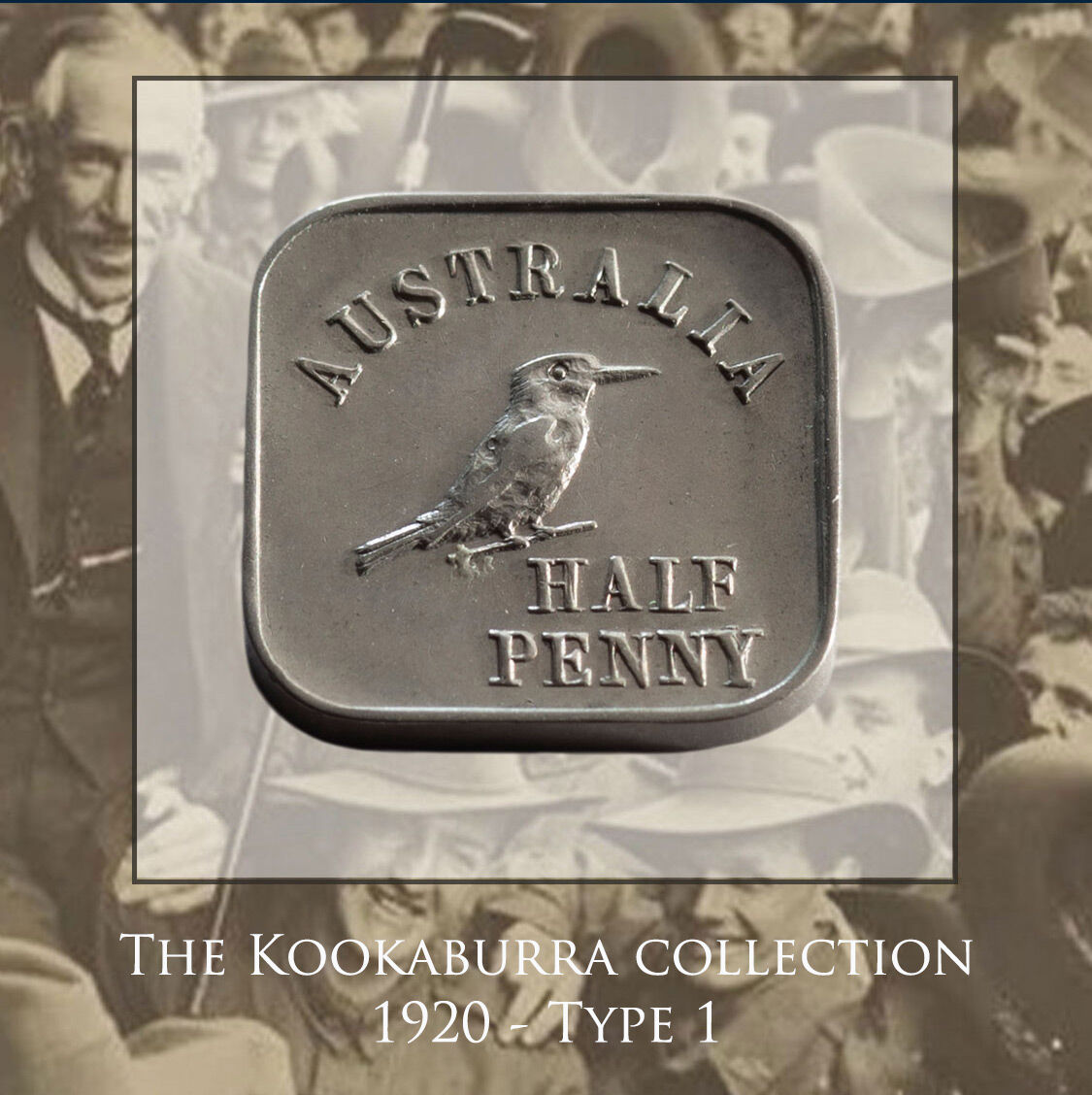
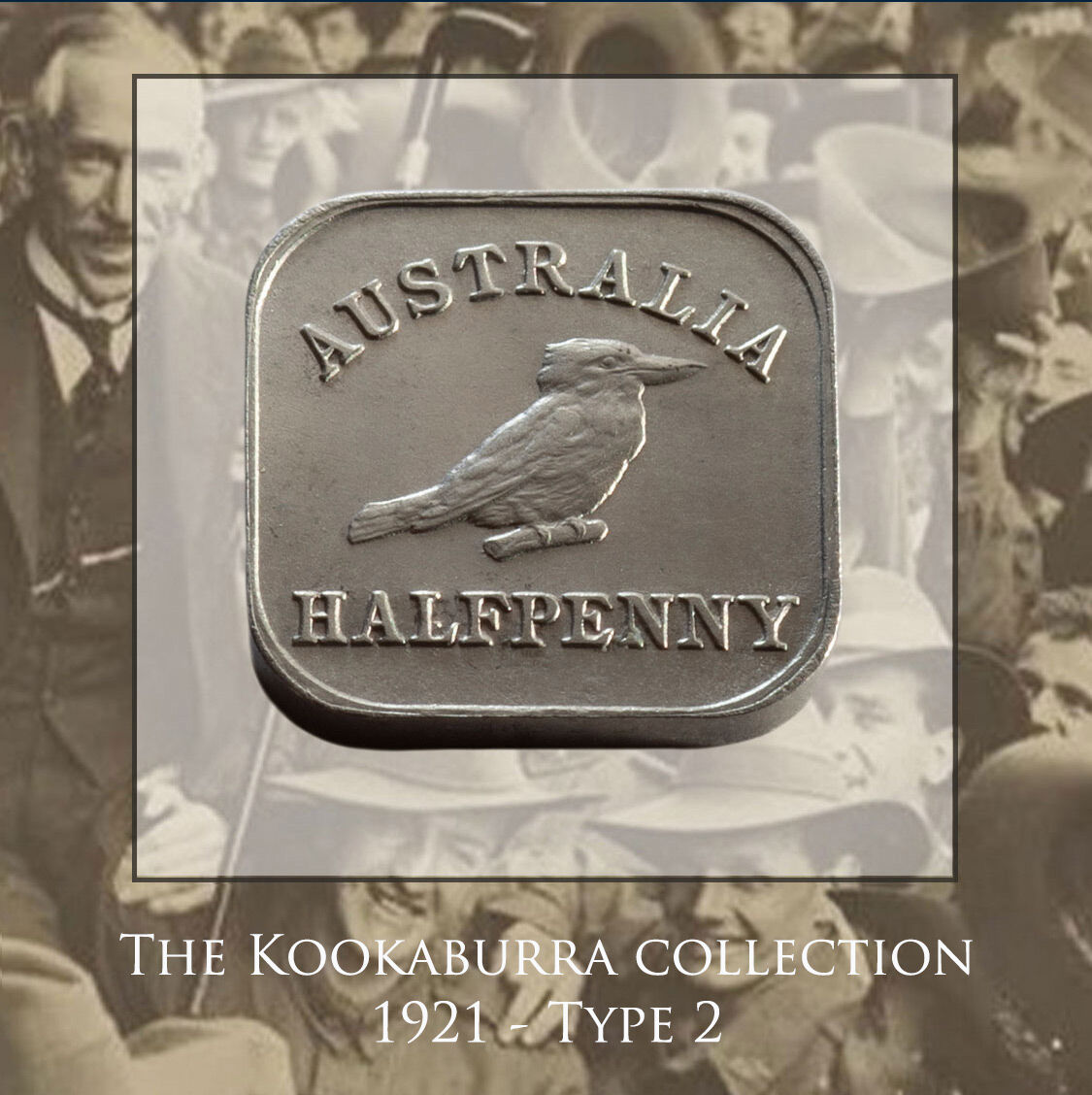
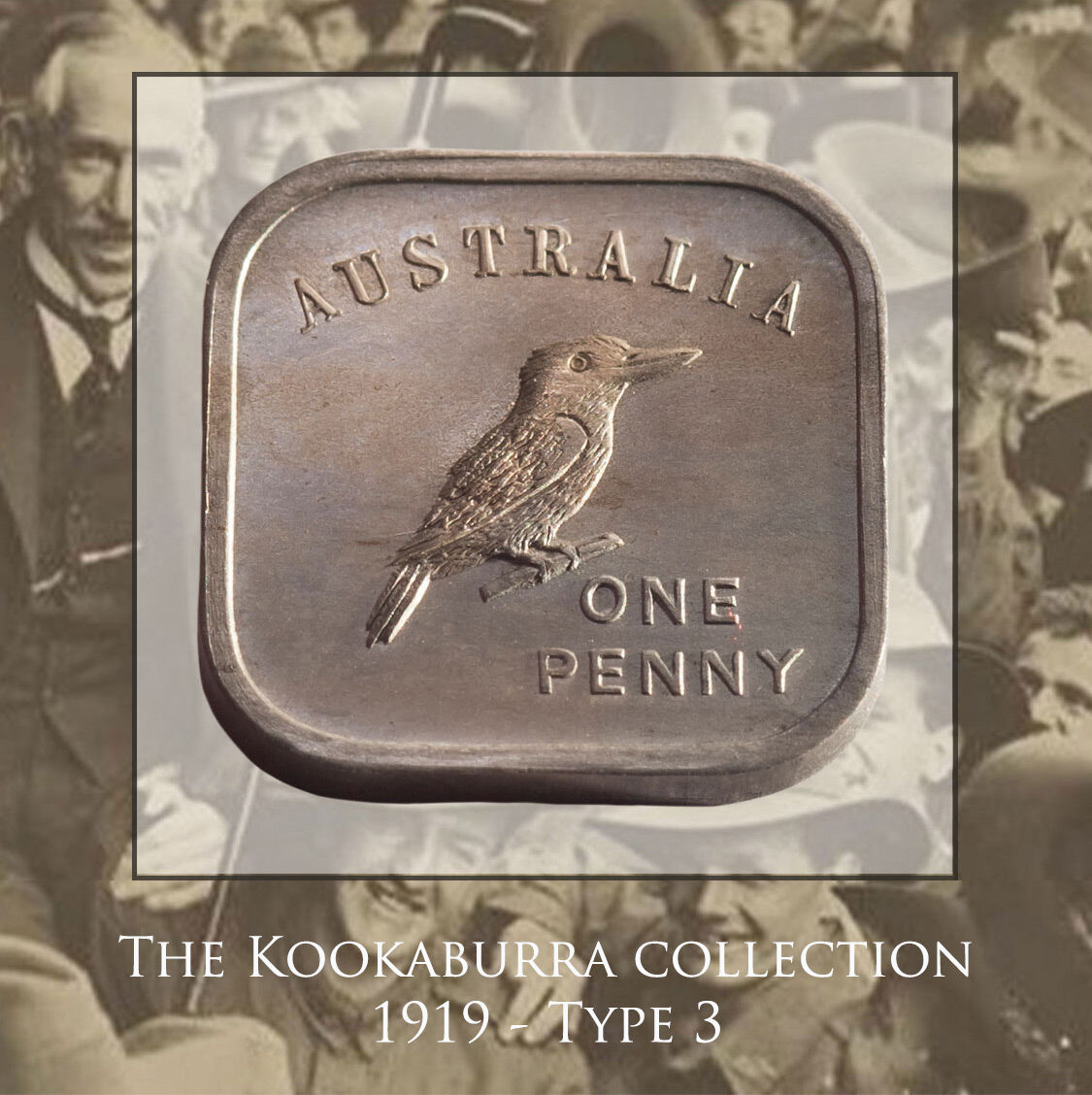
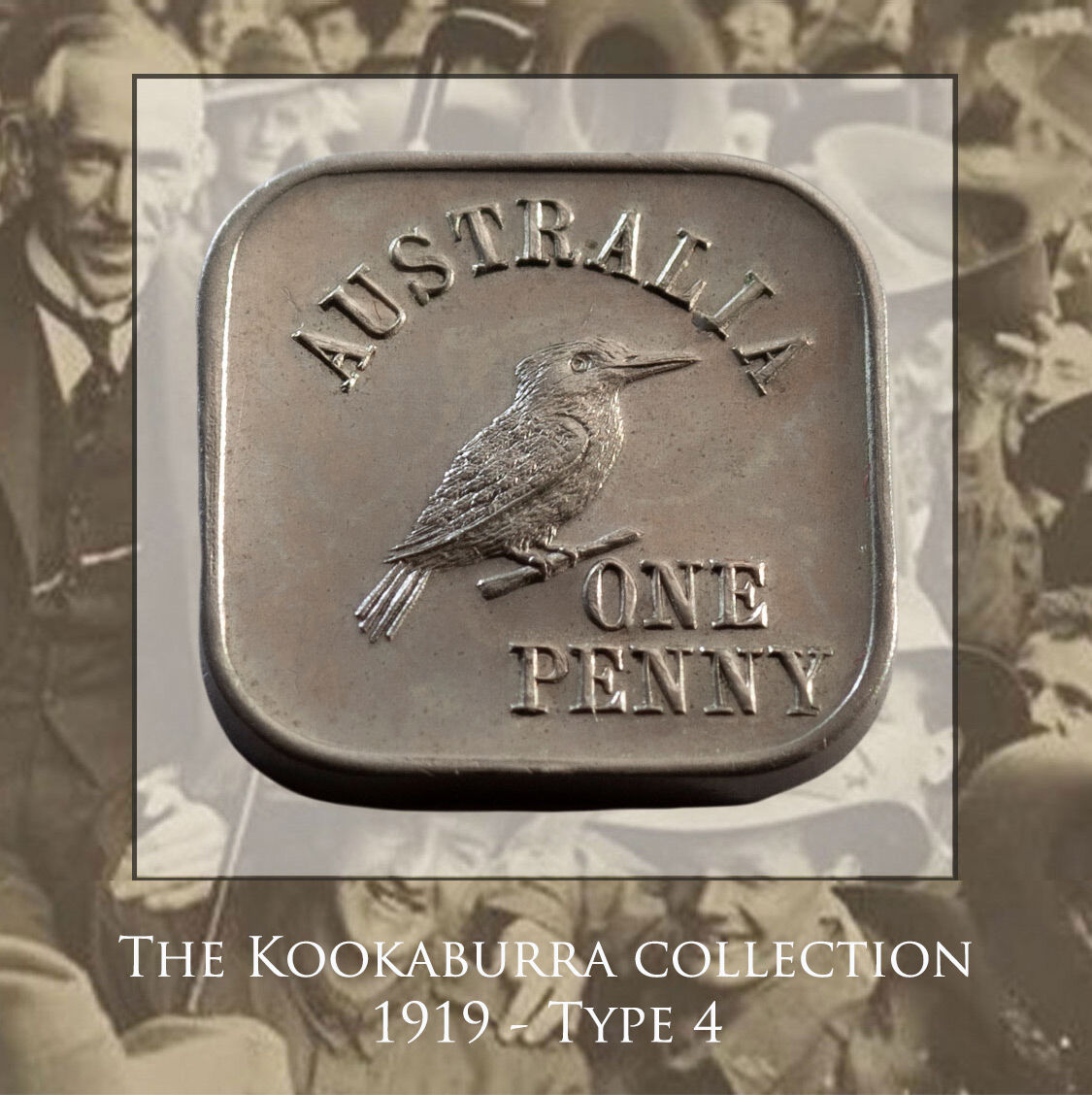
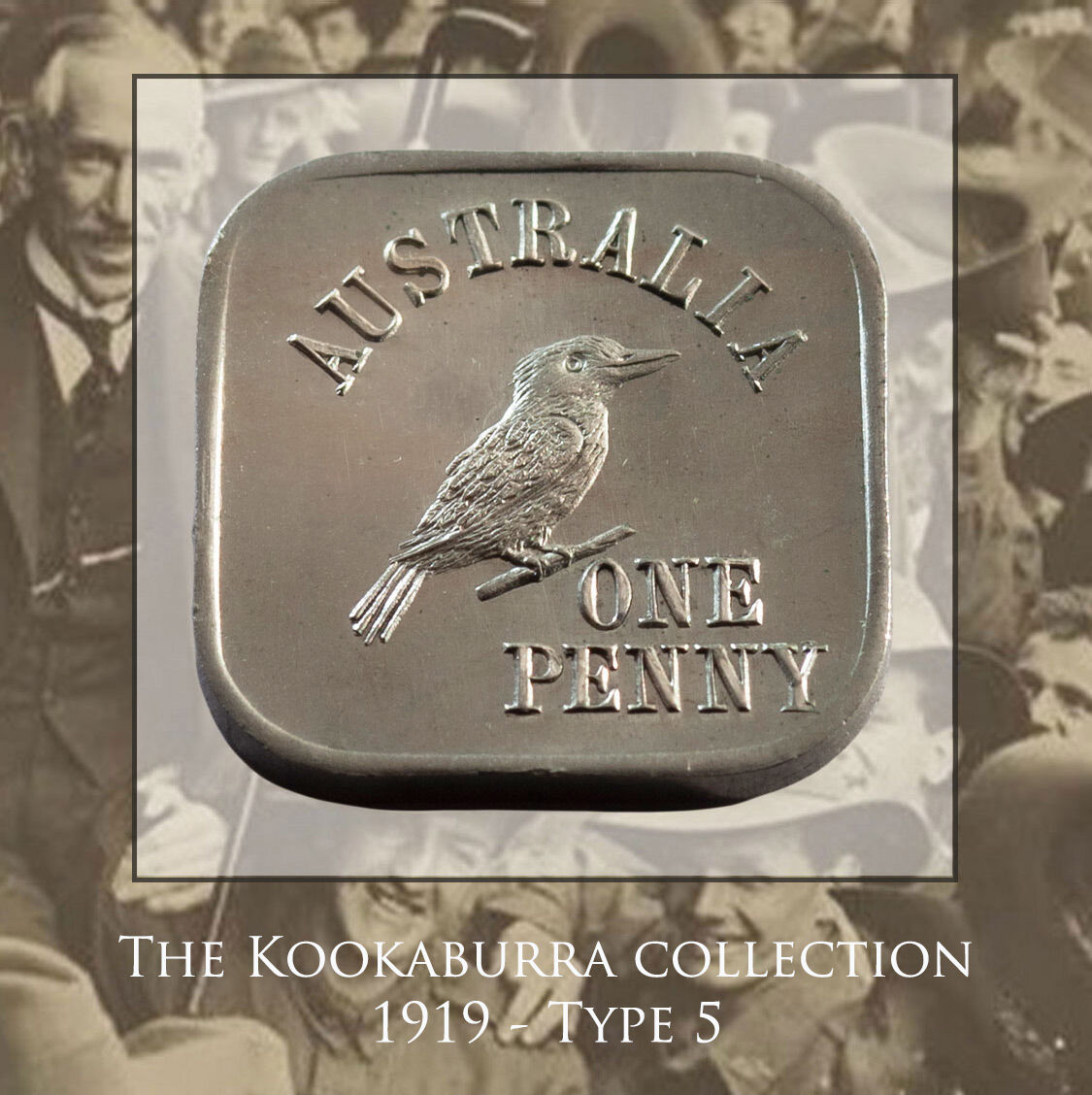
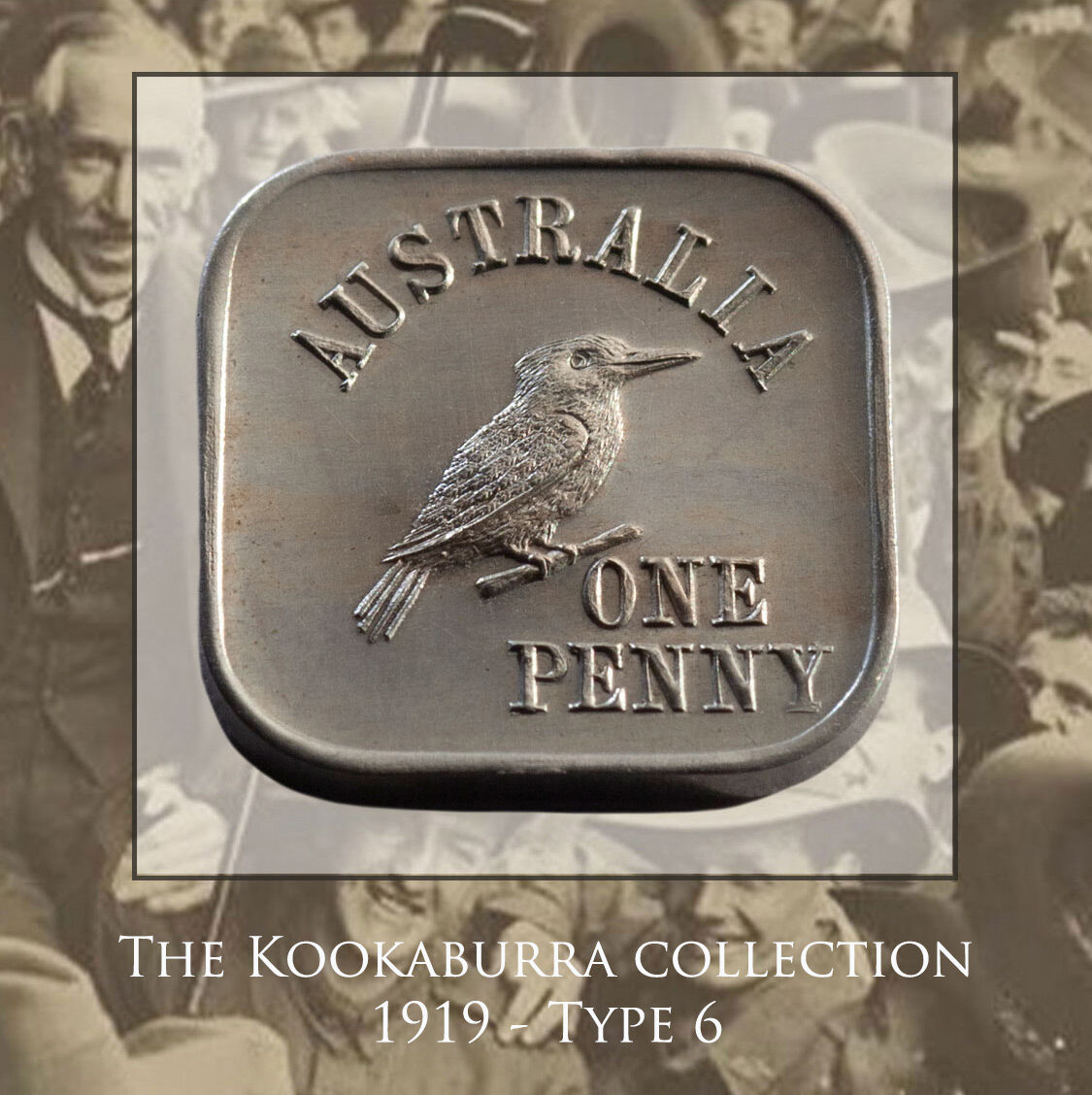
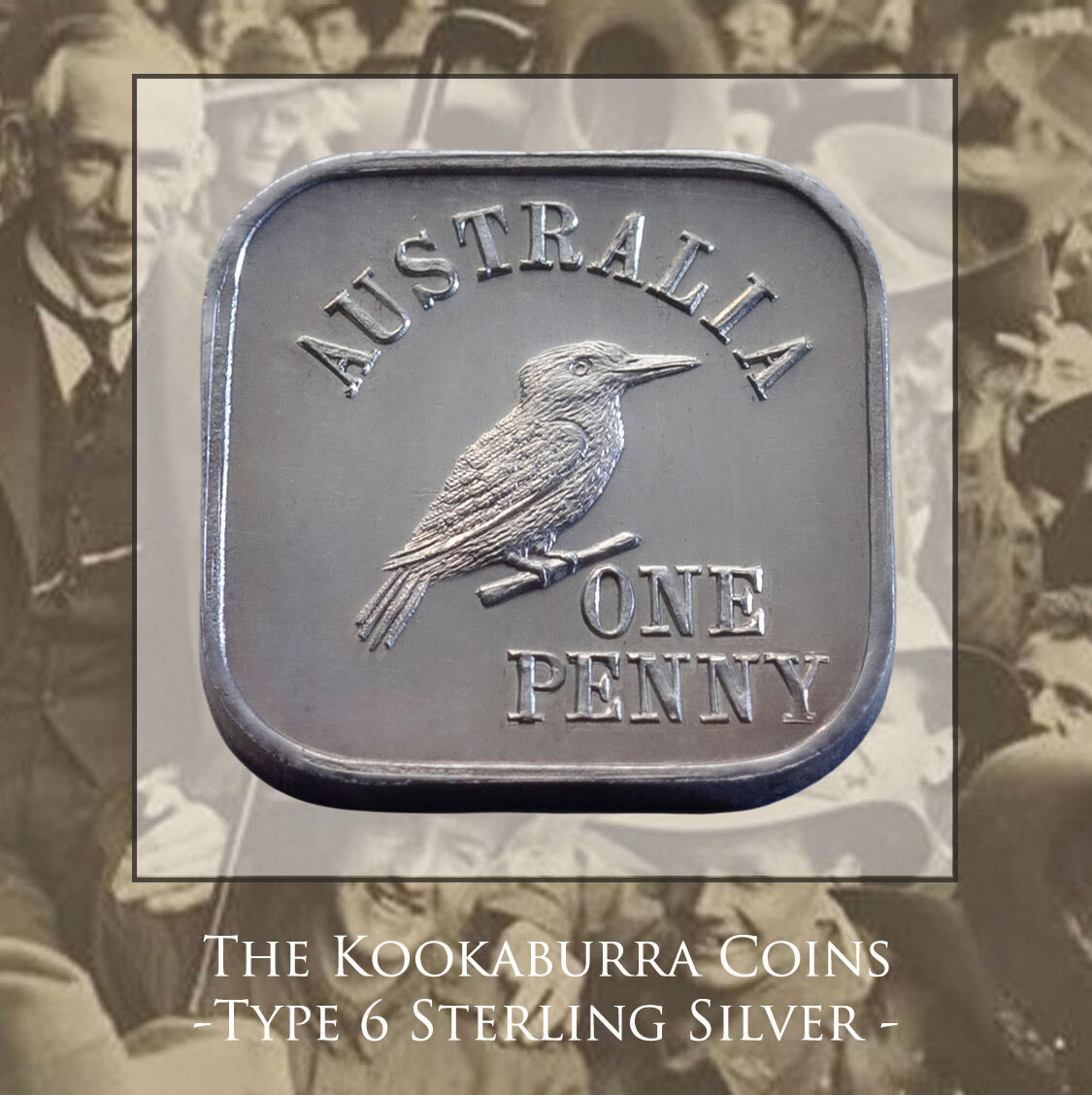
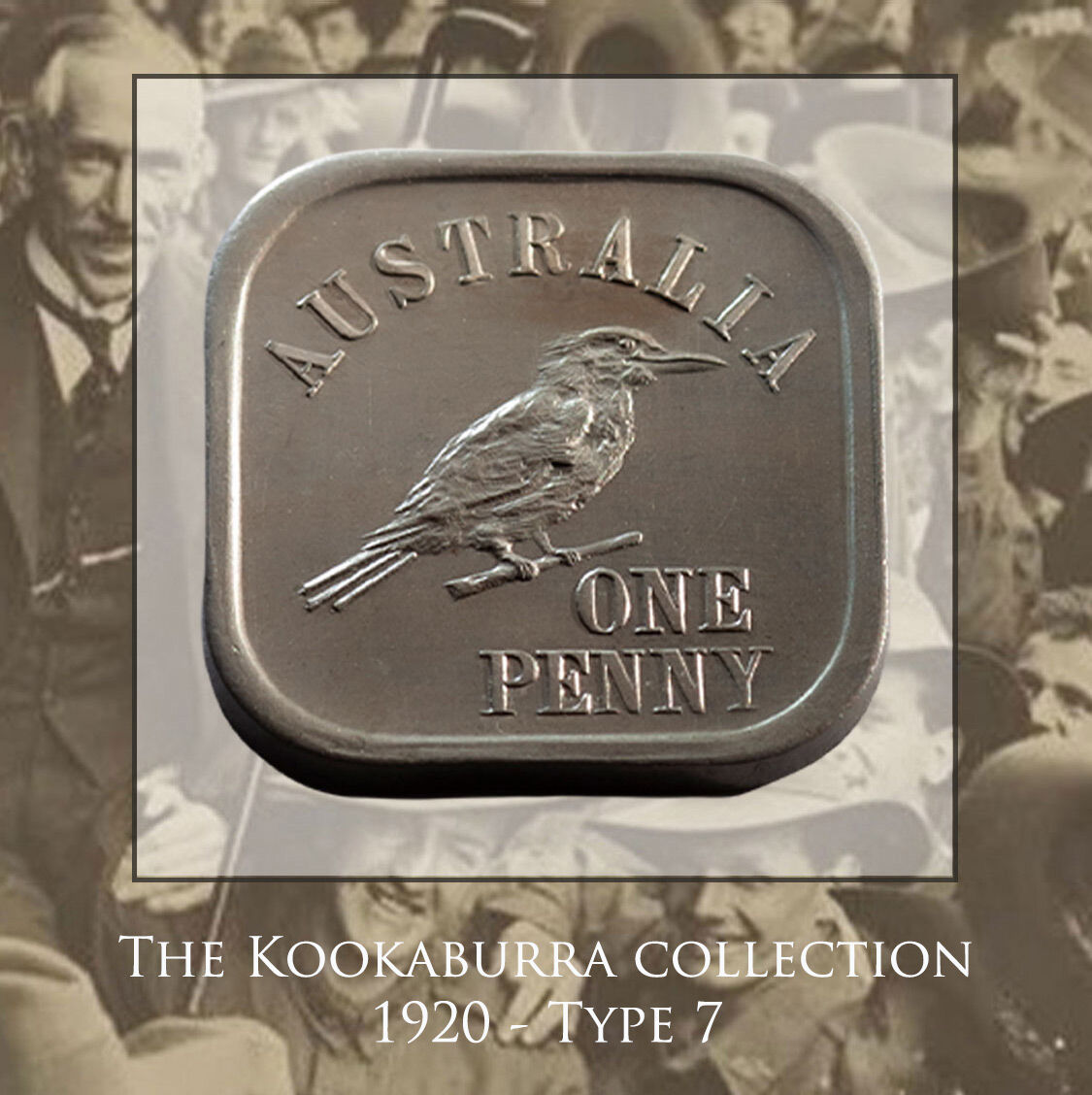
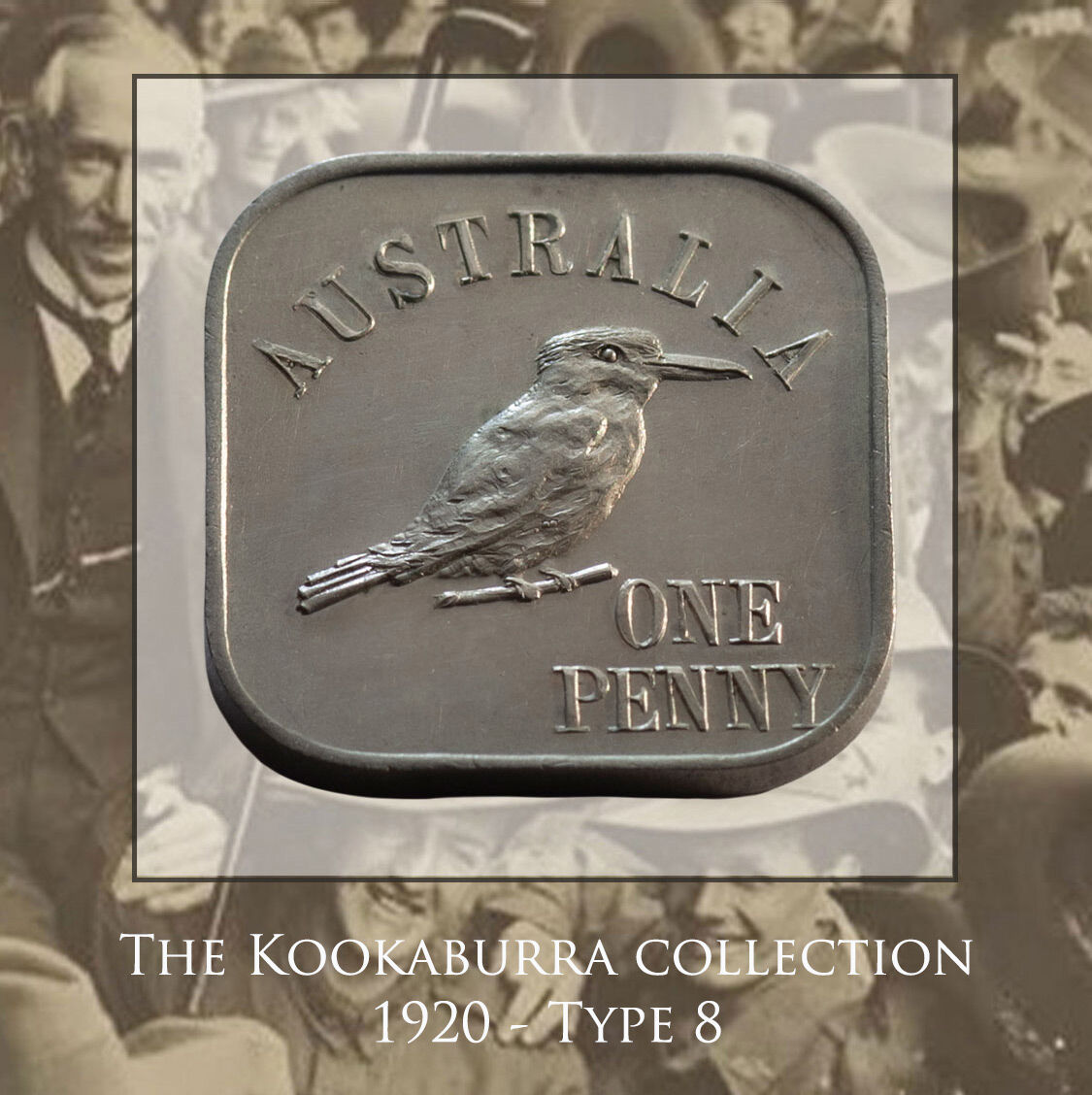
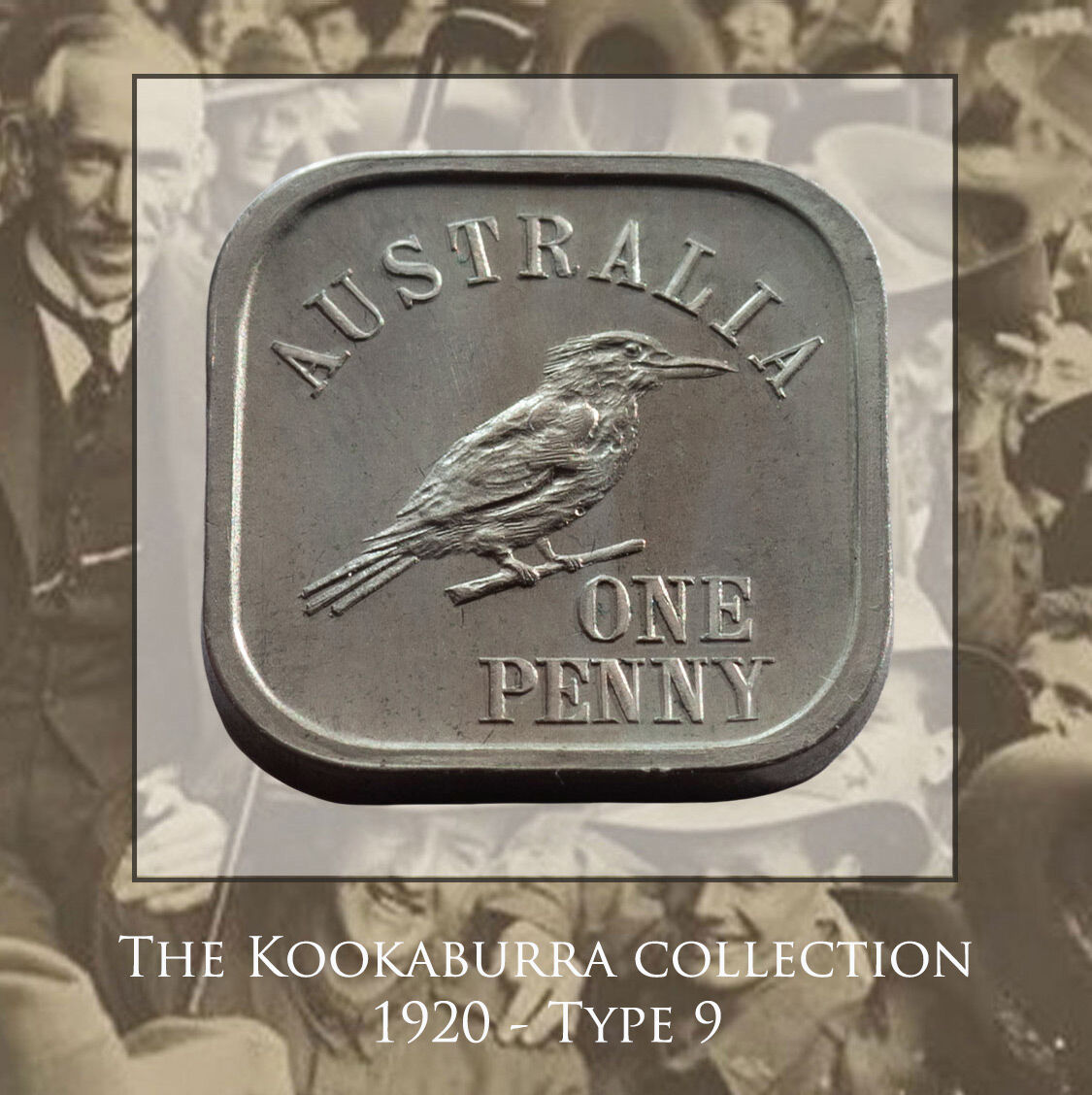
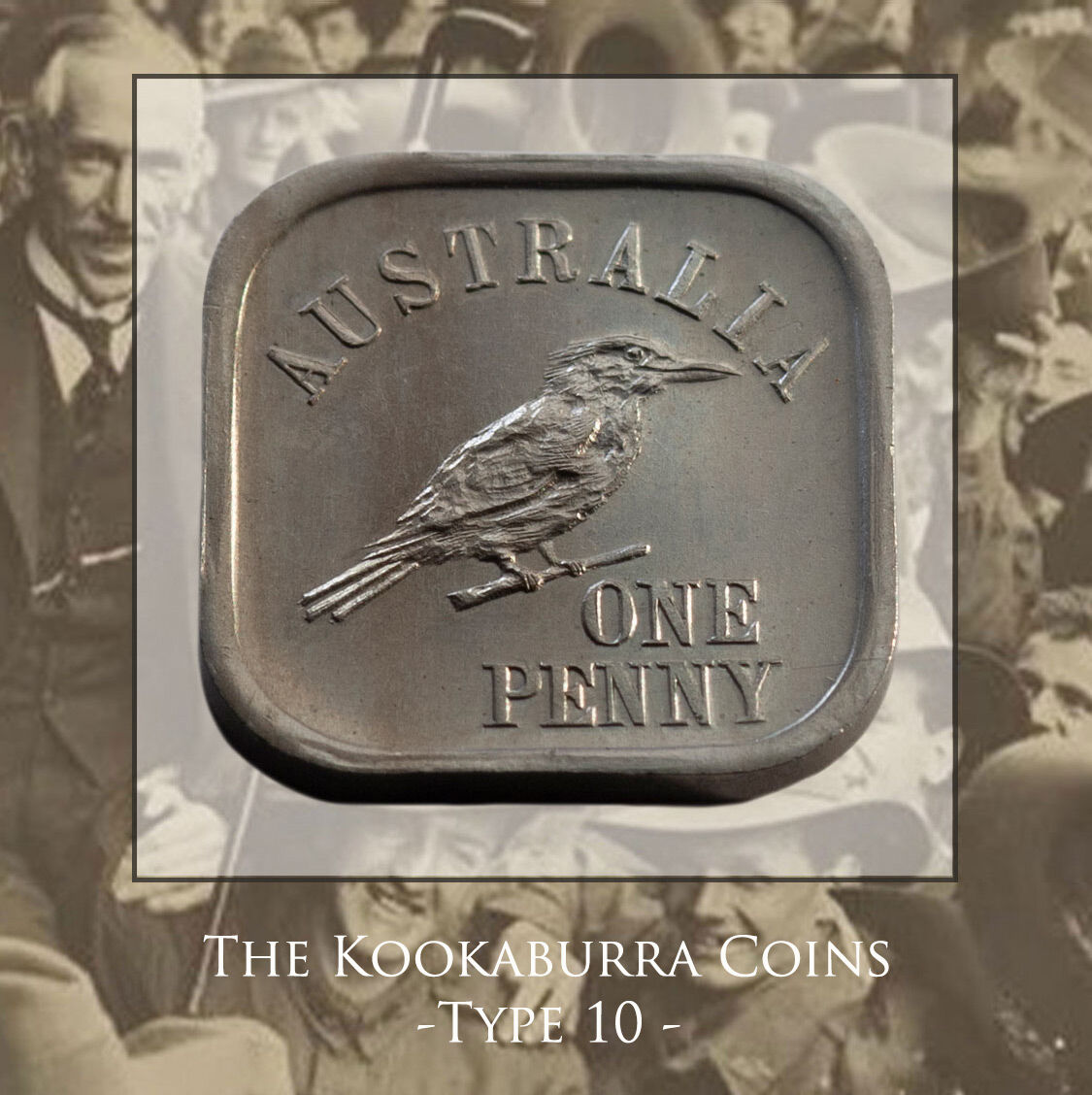
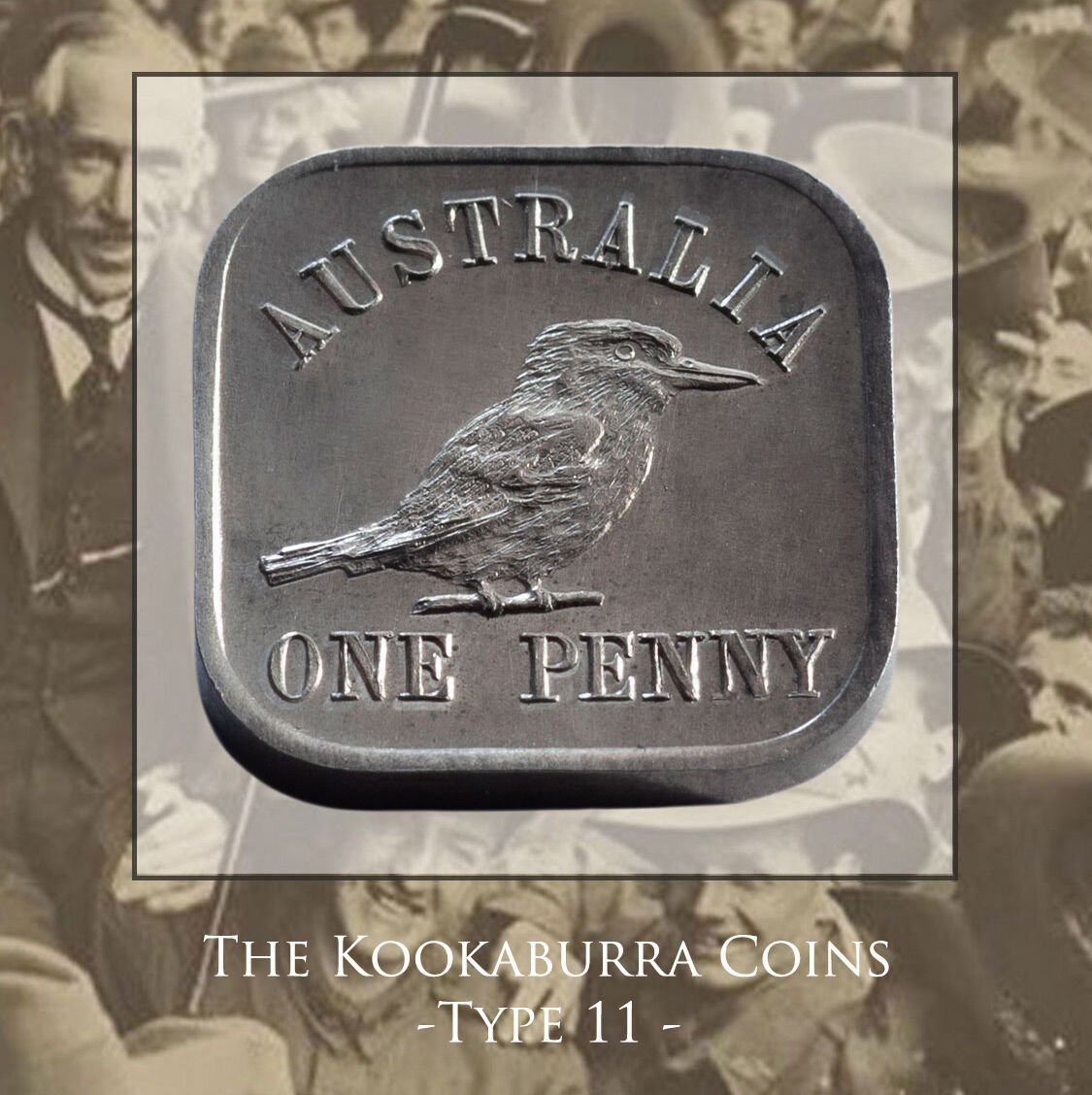
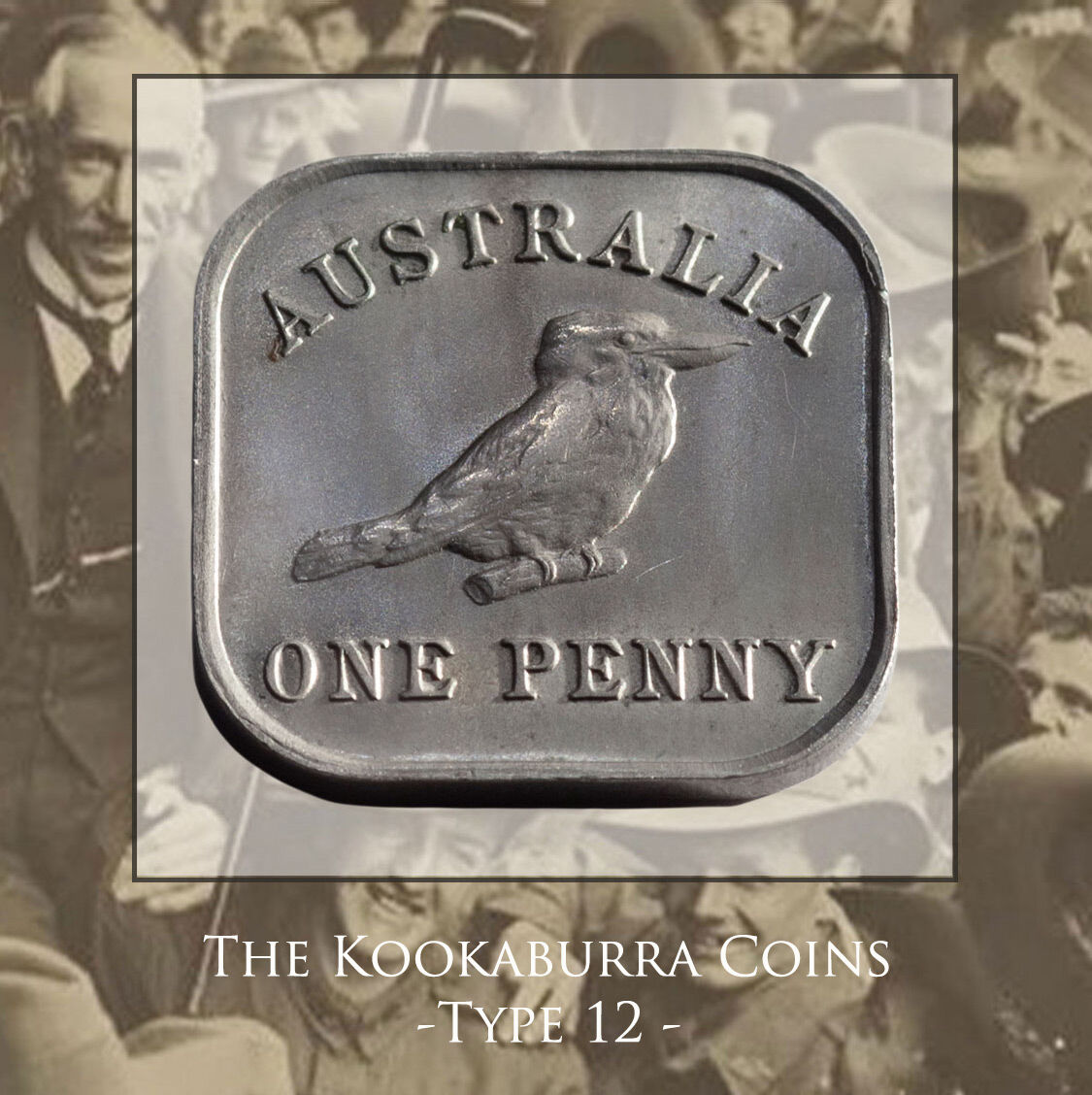
A story of national pride, achievement and glory.
The Kookaburra Penny and the Kookaburra Halfpenny. Coins that have simple design elegance. Produced for Australians, by Australians, in 1919, 1920 and 1921. A shift from British mimicry to Australian originality, post-World War I.
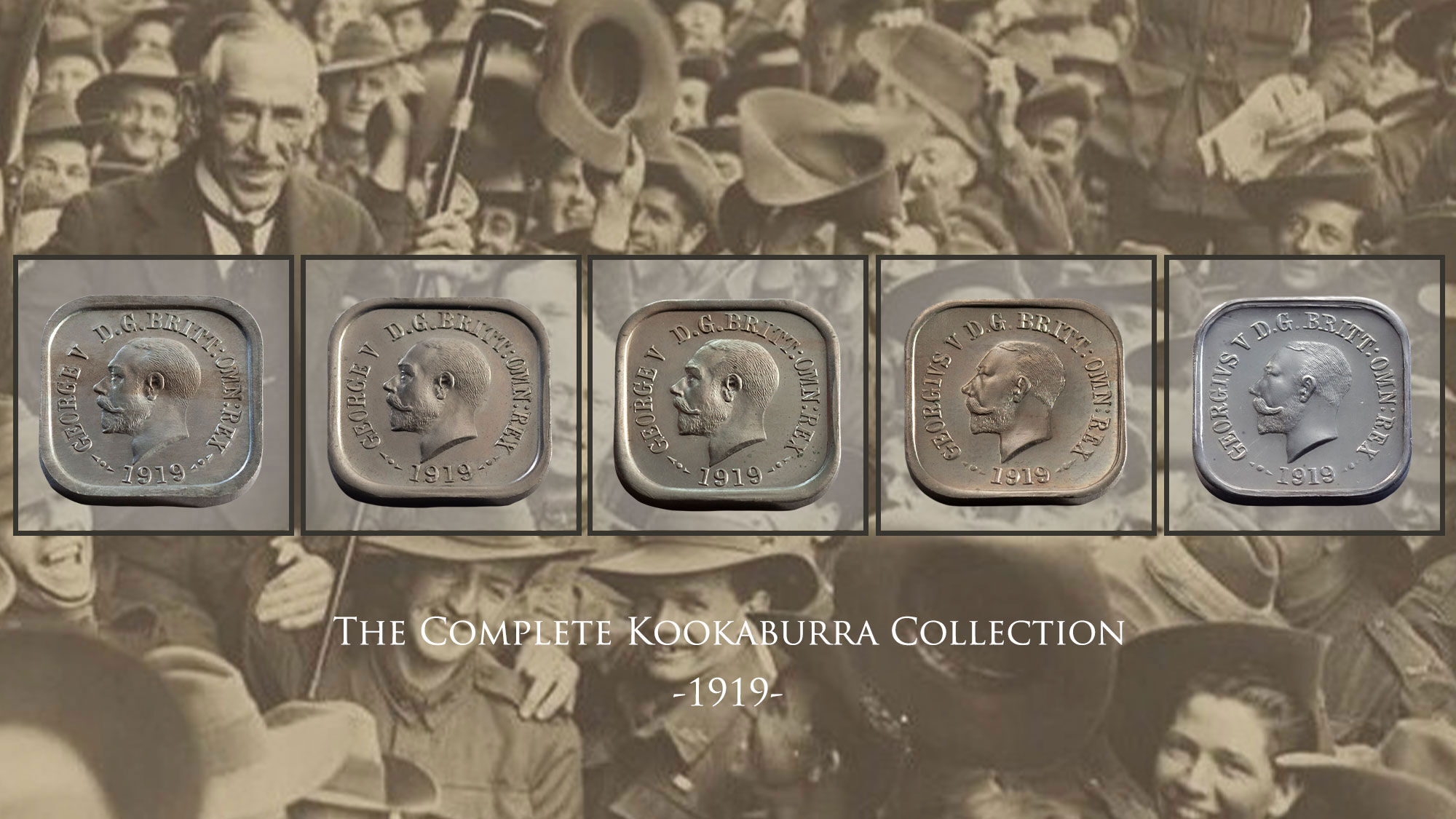
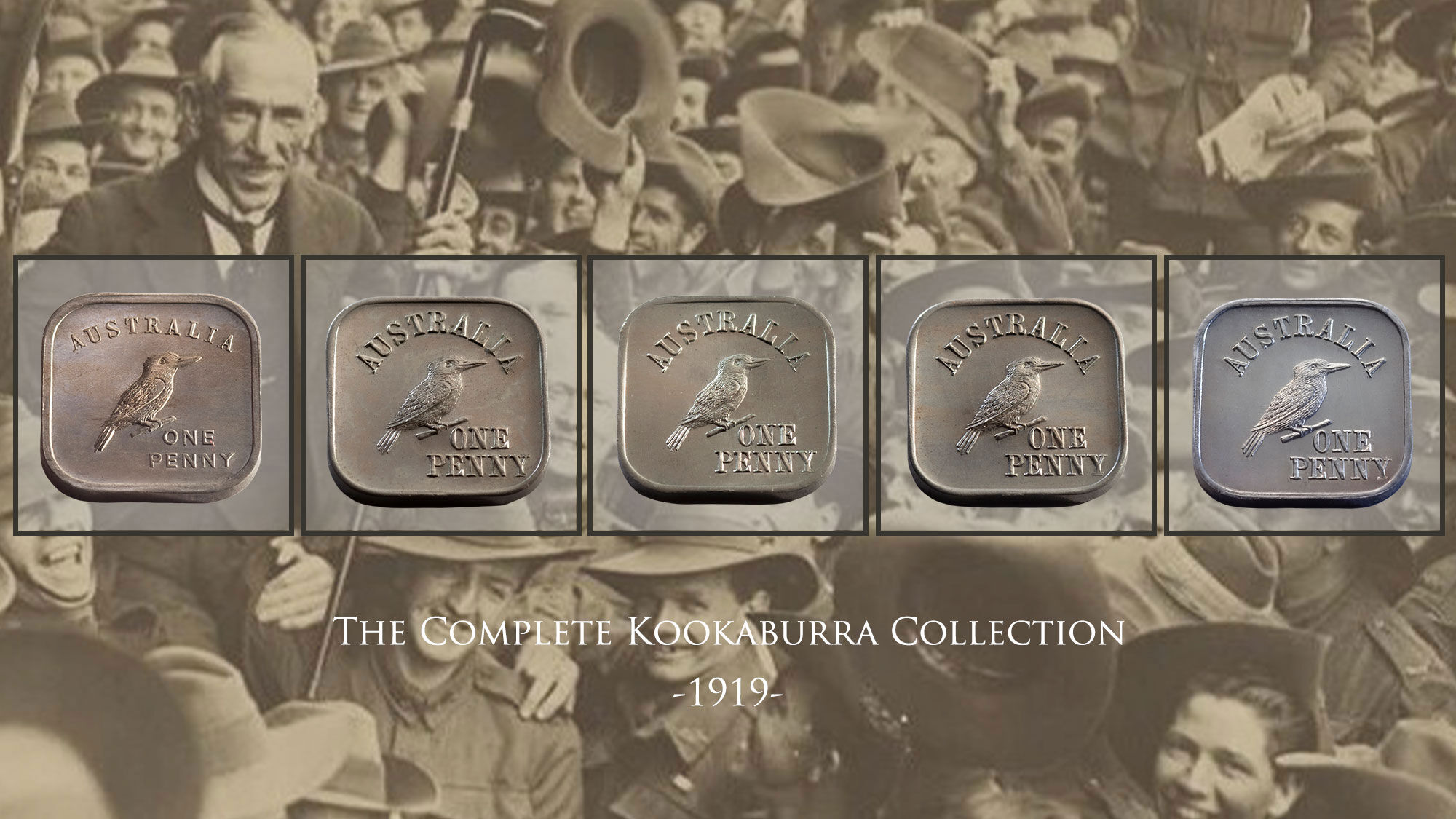
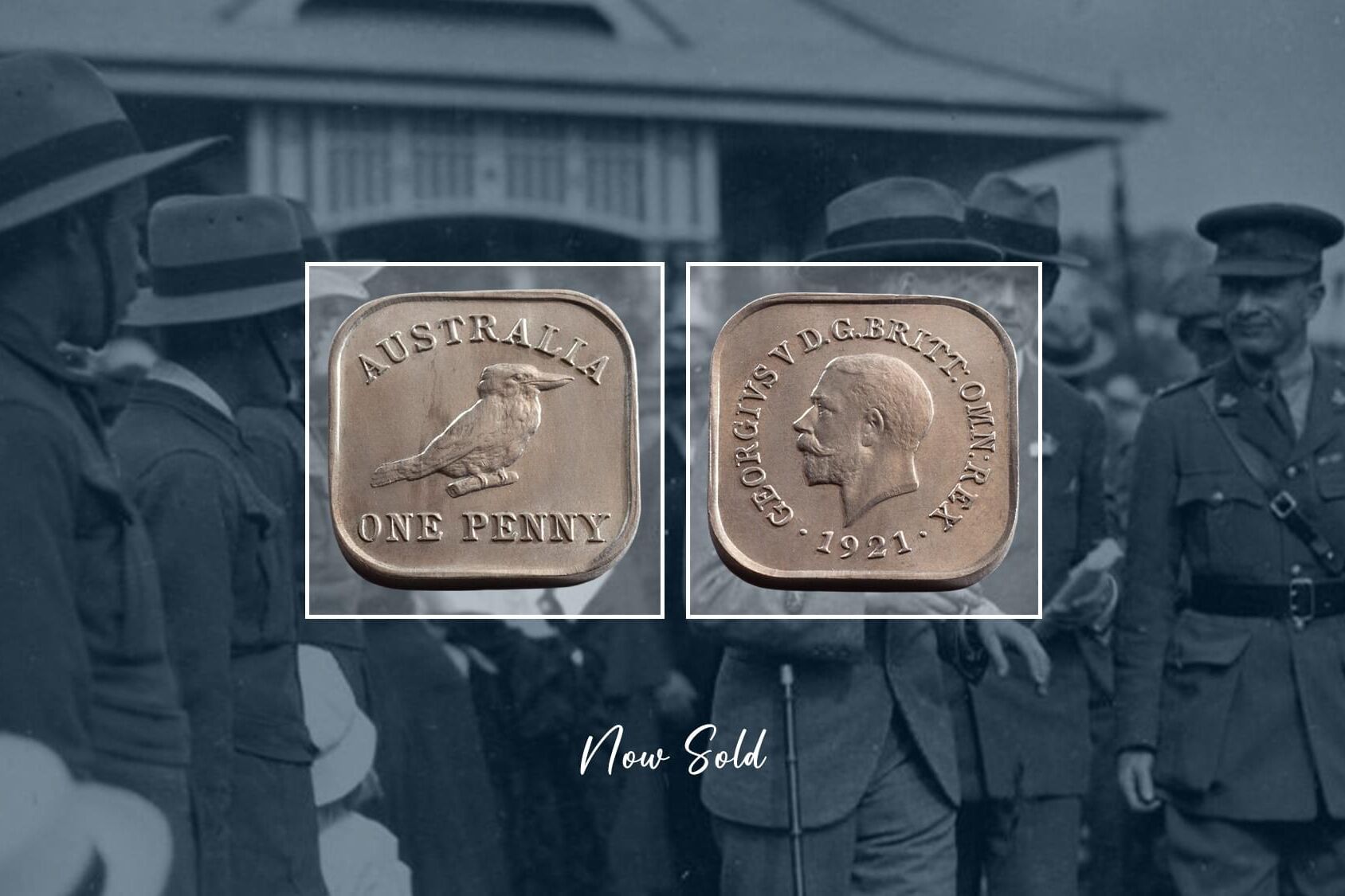
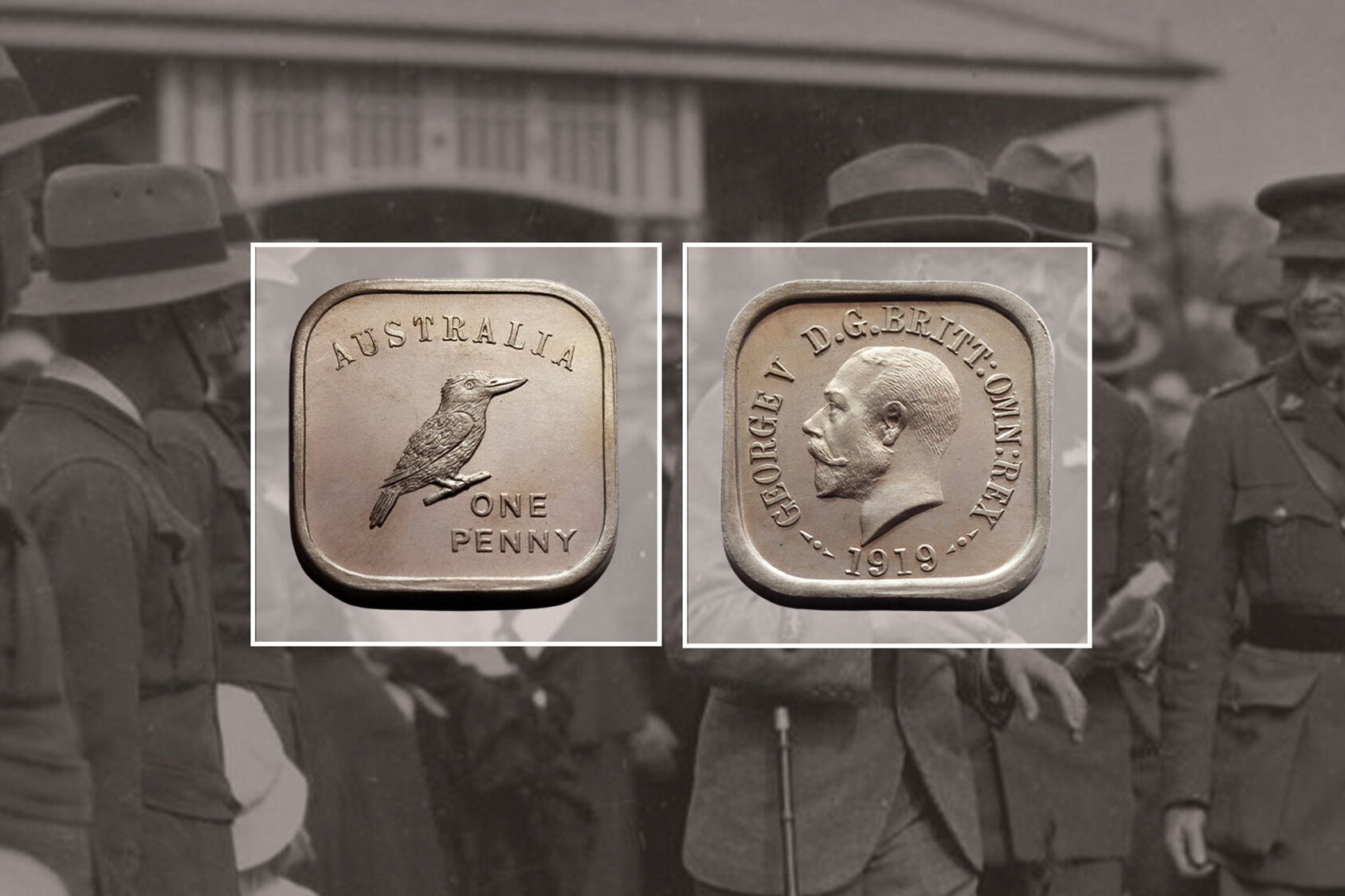
In 1919, the Government put forward a proposal to replace the round 'British-styled' coppers in use at the time with a completely new Australian coin. Proudly nationalistic, crafted on one side, with a kookaburra sitting on a branch, underneath the word 'AUSTRALIA' and on the other side, a portrait of George V. It was Australia's first attempt at independent design in our currency, coins that were Australian in imagery, concept and form.
Coins so engaging that an unplanned purchase in 1990 of a Kookaburra Penny became the inspiration for one collector to spend more than a decade working with Coinworks to acquire a further twelve Kookaburra coins to achieve a full set of all the different designs and metals. A Complete Kookaburra Collection of thirteen coins, an achievement that had never been done before. And has never been done since.
There were hurdles. Many of the Kookaburra coins are so scarce, they are rarely ever sighted. And finding coins in top quality also presented challenges of their own. The prized 1920 Type 1 Kookaburra Halfpenny of which three exist. The 1919 Type 4 and 1920 Type 8 are each known by just four examples. The Type 9 known by five coins and the Type 10, also five. And the ultimate hurdle, the Sterling Silver Kookaburra Penny, known by three examples and each unique for their design type.
Discovering the nuances of each coin, those design elements that make no two coins the same is exhilarating. And an achievement. In some cases the differences are obvious. Others more subtle. Differences that photographs do not always expose. But that physical ownership and personal inspection affords.
The ability to clearly define the different types and set the record straight is empowering. And taking in the finishes, satin or proof-like, that make each coin unique, are moments to savour.
After twenty-six years, the Complete Kookaburra Collection is back on the market. It is an historic set of thirteen coins, exhibited at the Perth Mint in 2002 and again in Melbourne at the ANZ Gothic Bank in 2007. The Royal Australian Mint in 2027? We believe it is a fitting place to display such an important collection.
It is a history-making story of national pride, achievement and glory. And is available for one collector to own. It is one of a kind and will not be sold overseas.
The Complete Kookaburra Collection is a master-set and will be used by collectors and historians alike for years to come in researching the Kookaburra Penny and Halfpenny series. The Complete Kookaburra Collection is a landmark in Australia’s coinage story and is offered for $950,000.
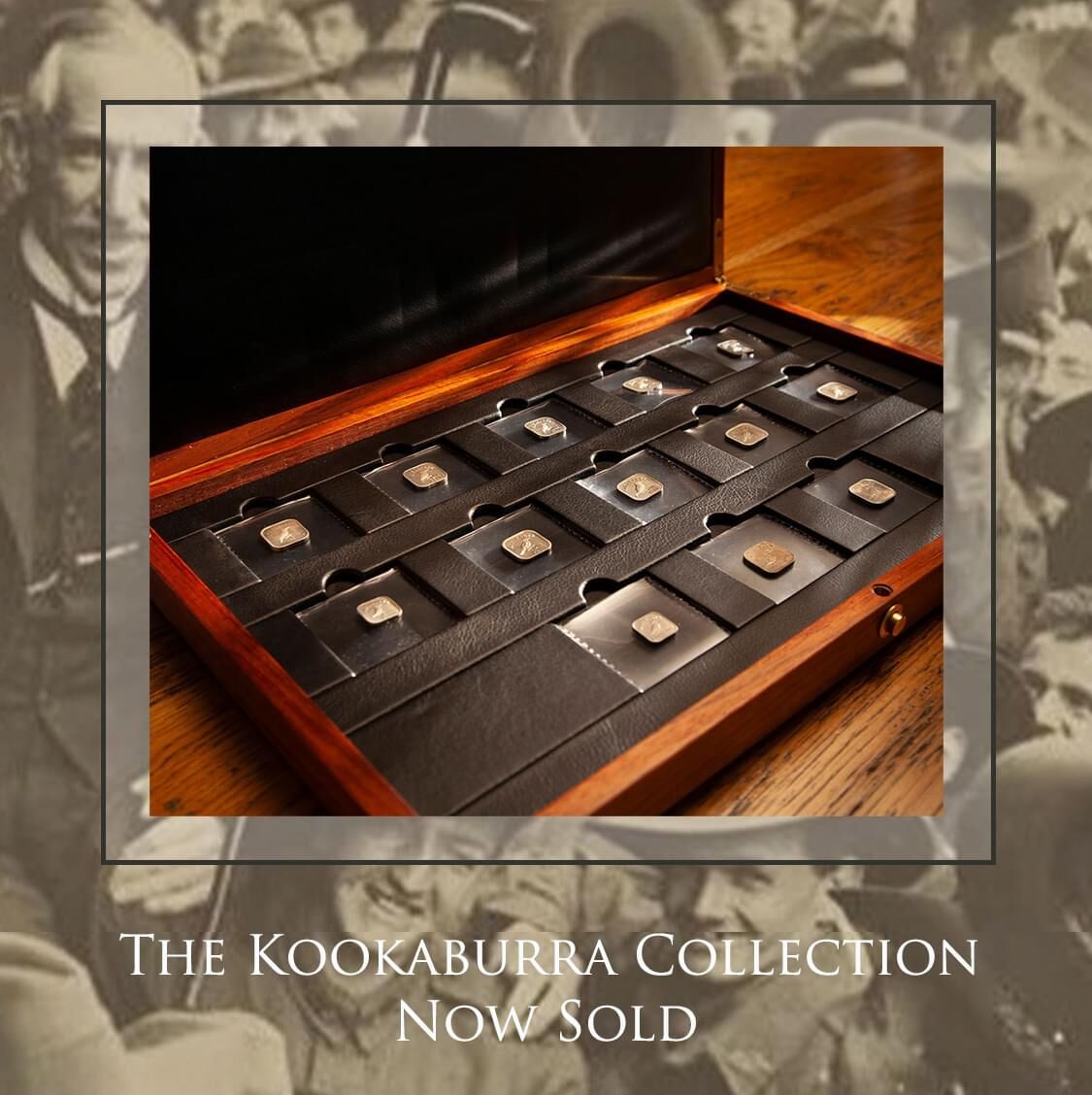
The Collection sold on 6 March 2026.
Navigating the Collection Design Type, Rarity & Price
Thirteen coins make up this historic collection. Twelve coins are struck in cupro-nickel, the metal chosen by the Government as a replacement for the bronze coinage then in use. And the coveted thirteenth coin, a presentation piece, struck in sterling silver for Mr A. M. Le Soeuf, a Deputy Master of the Melbourne Mint from the period 1921 to 1926. A showpiece of coinage.
The table below presents an overview of the collection: the year, the design type, the availability to collectors of each design type and the price of each coin, if they were offered individually. Underpinning the investment value of this collection is the price at which the collection of thirteen coins is being sold, $950,000. The final price also reflects the vendor's commitment to keep the collection intact. Terms are available.
Detailed information on each coin is shown in the panels below. Click on each icon in the panels for enlarged photographs of both obverse and reverse, individual prices, historical information and design details, some of which have never before been published.
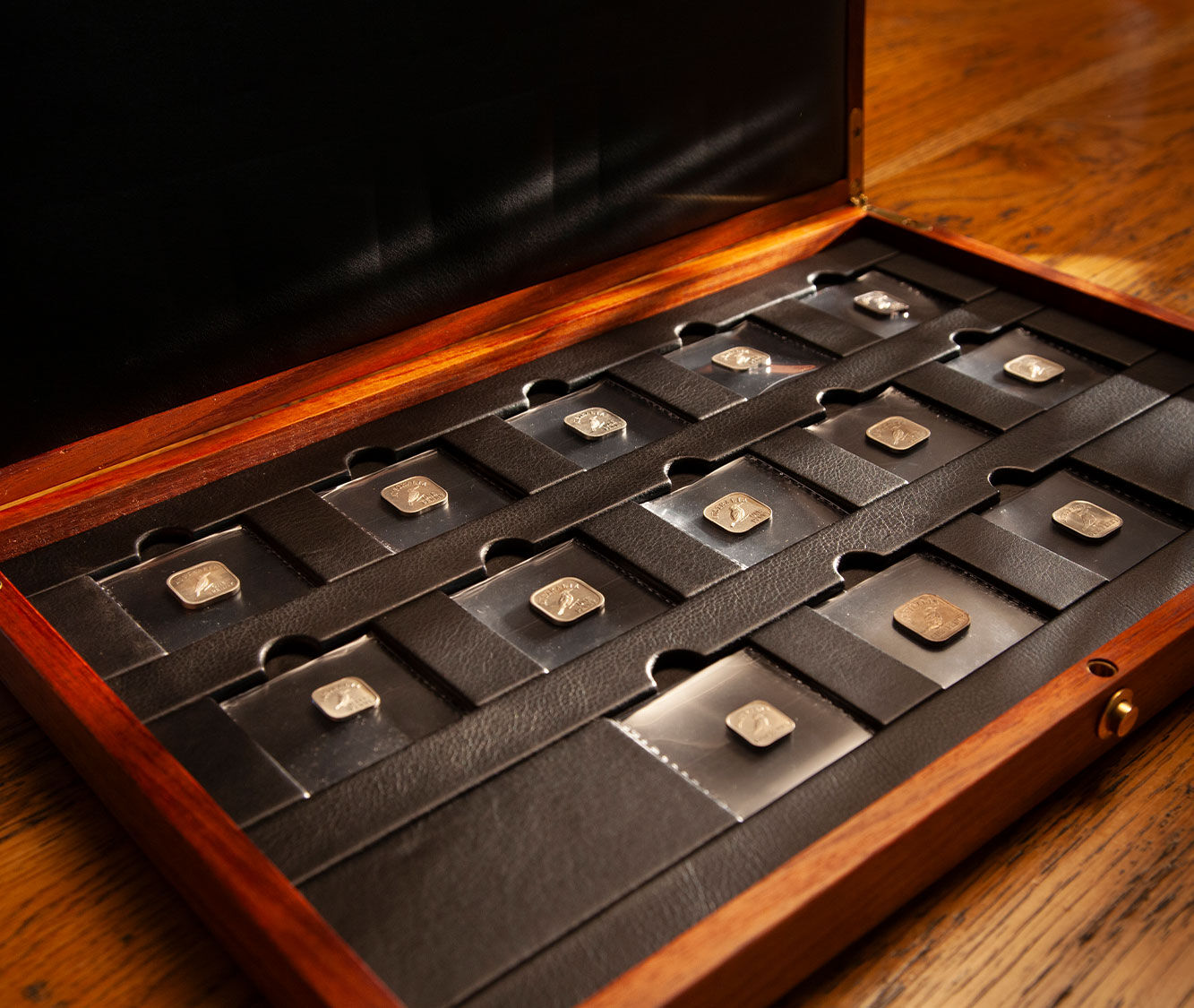
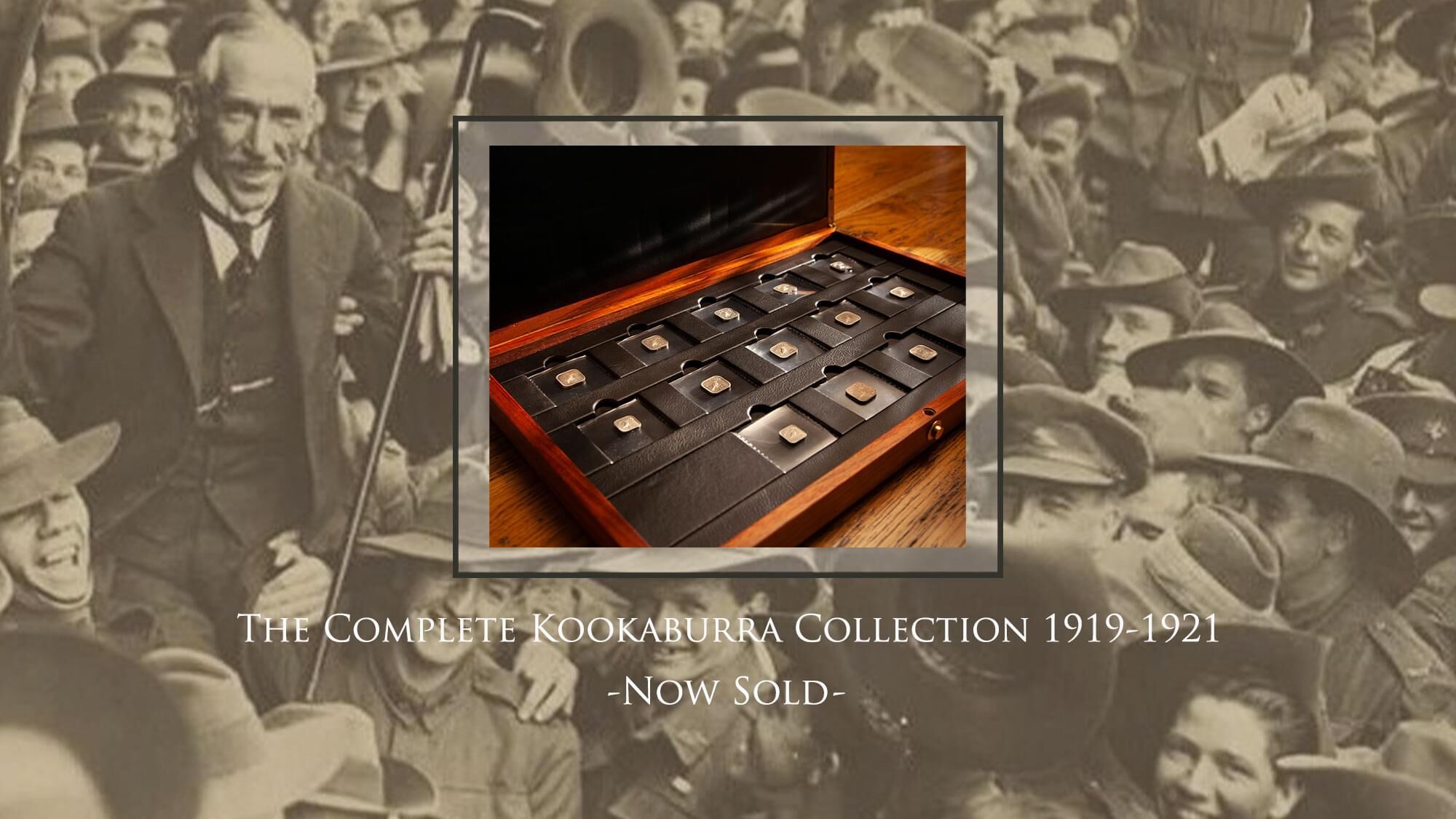
The thirteen-coin 'Complete Kookaburra 'Collection' presented in a hand-crafted presentation case made by Anton Gerner.
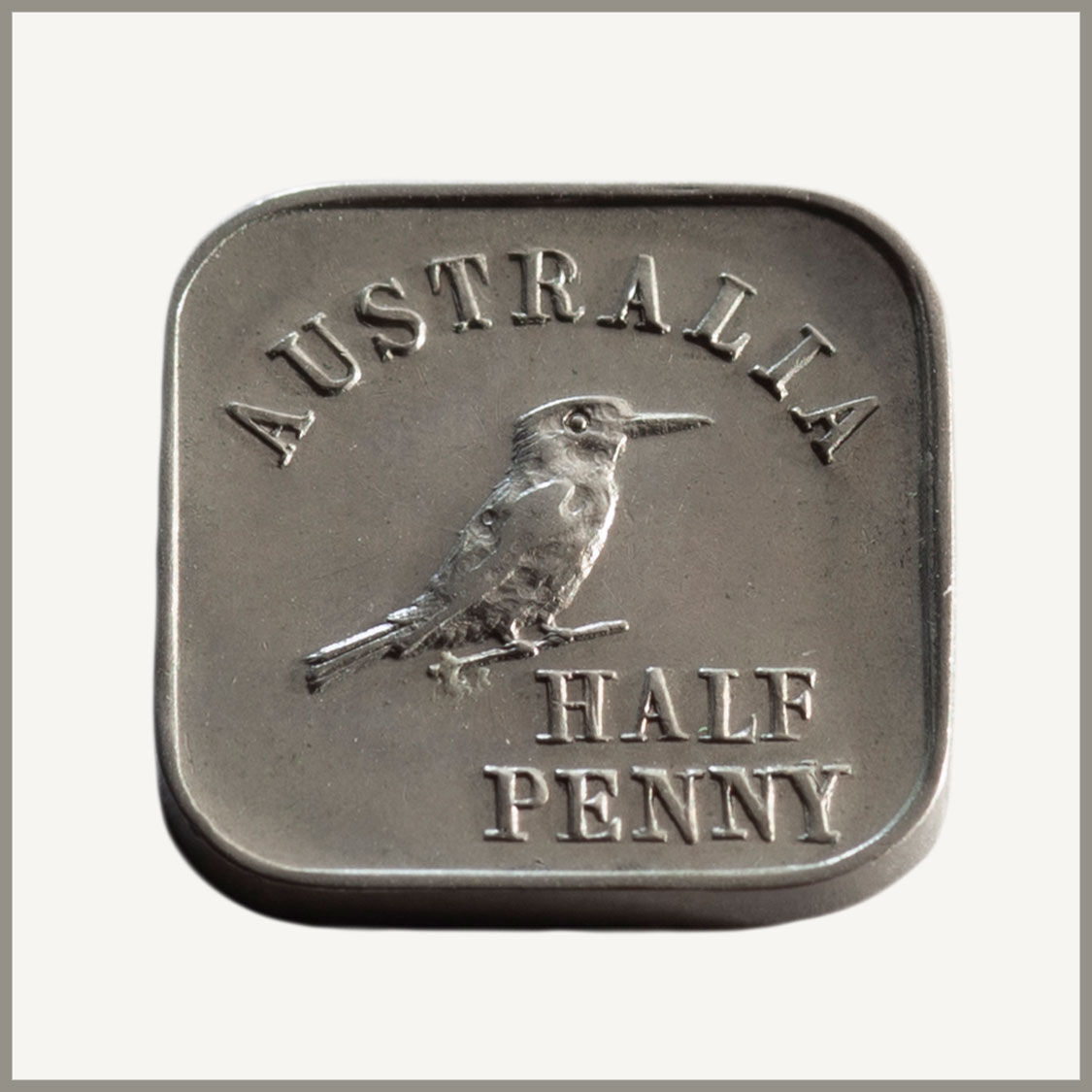
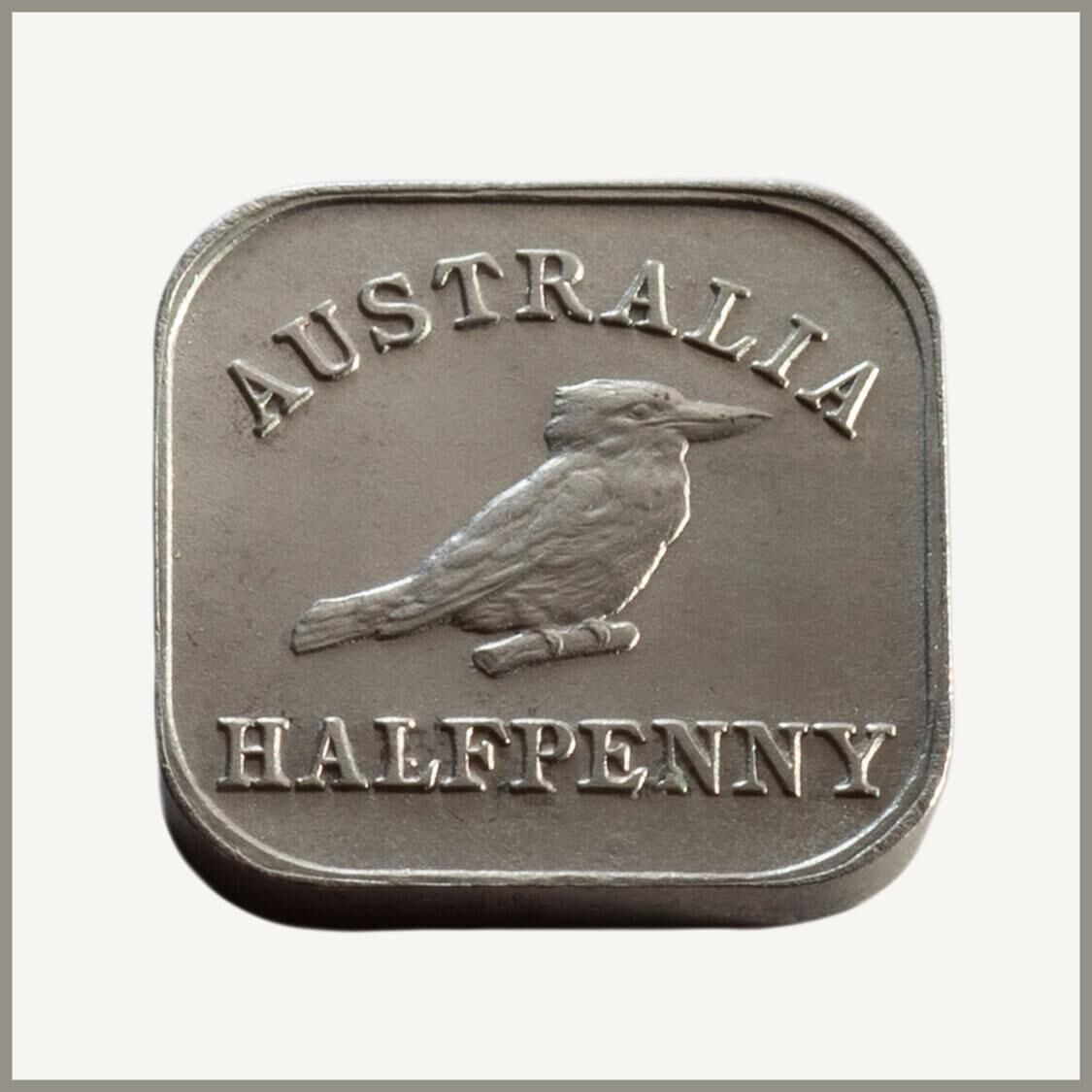
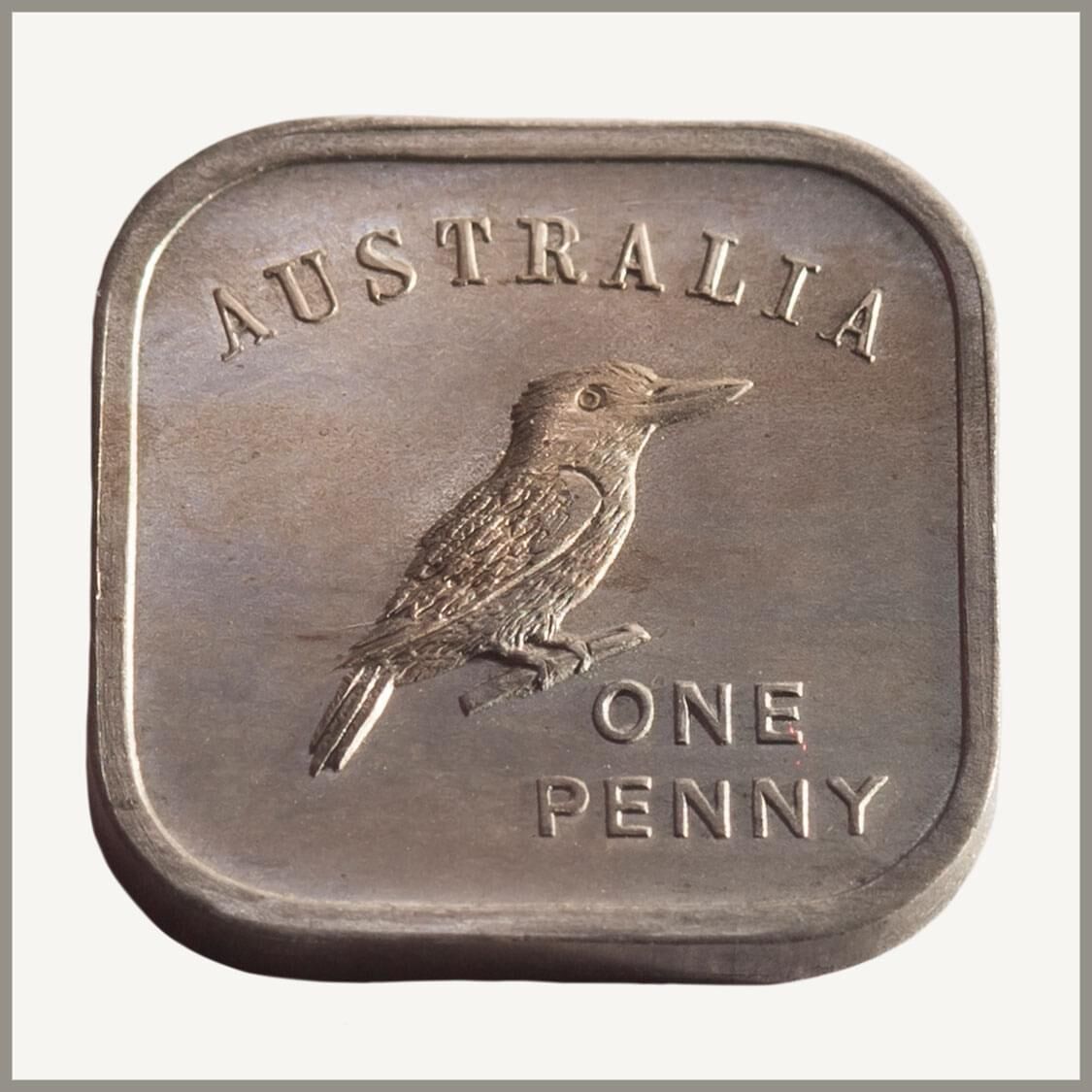
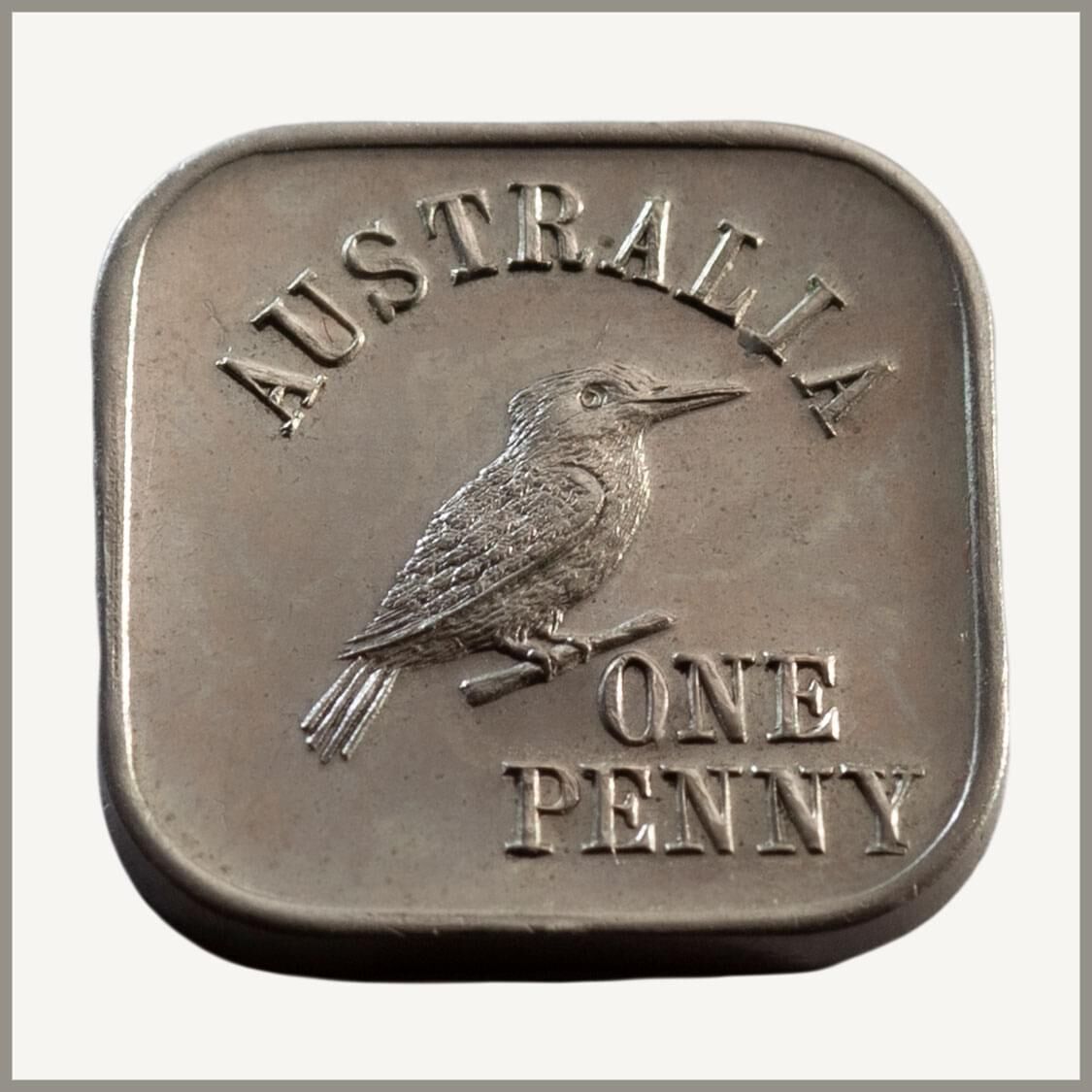
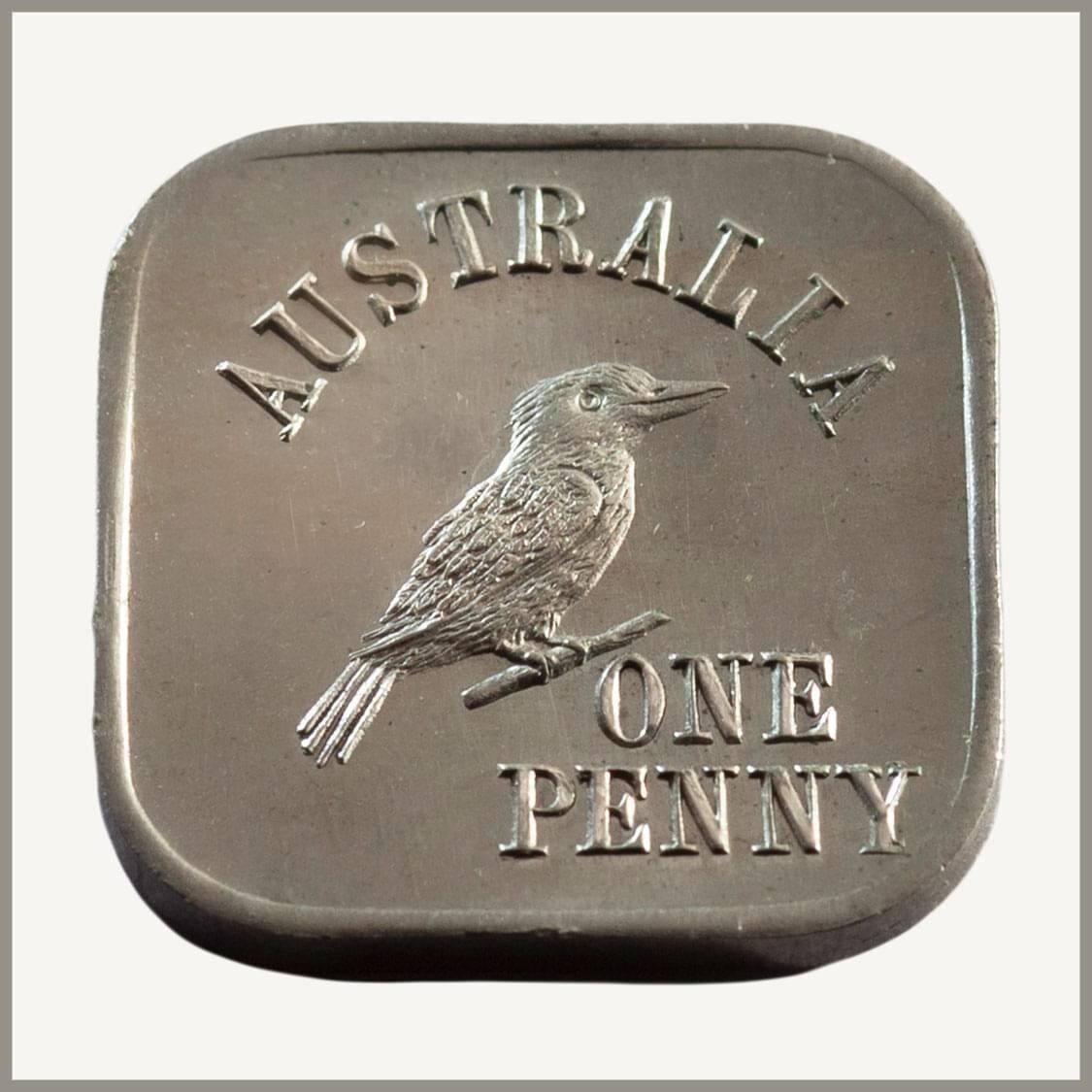
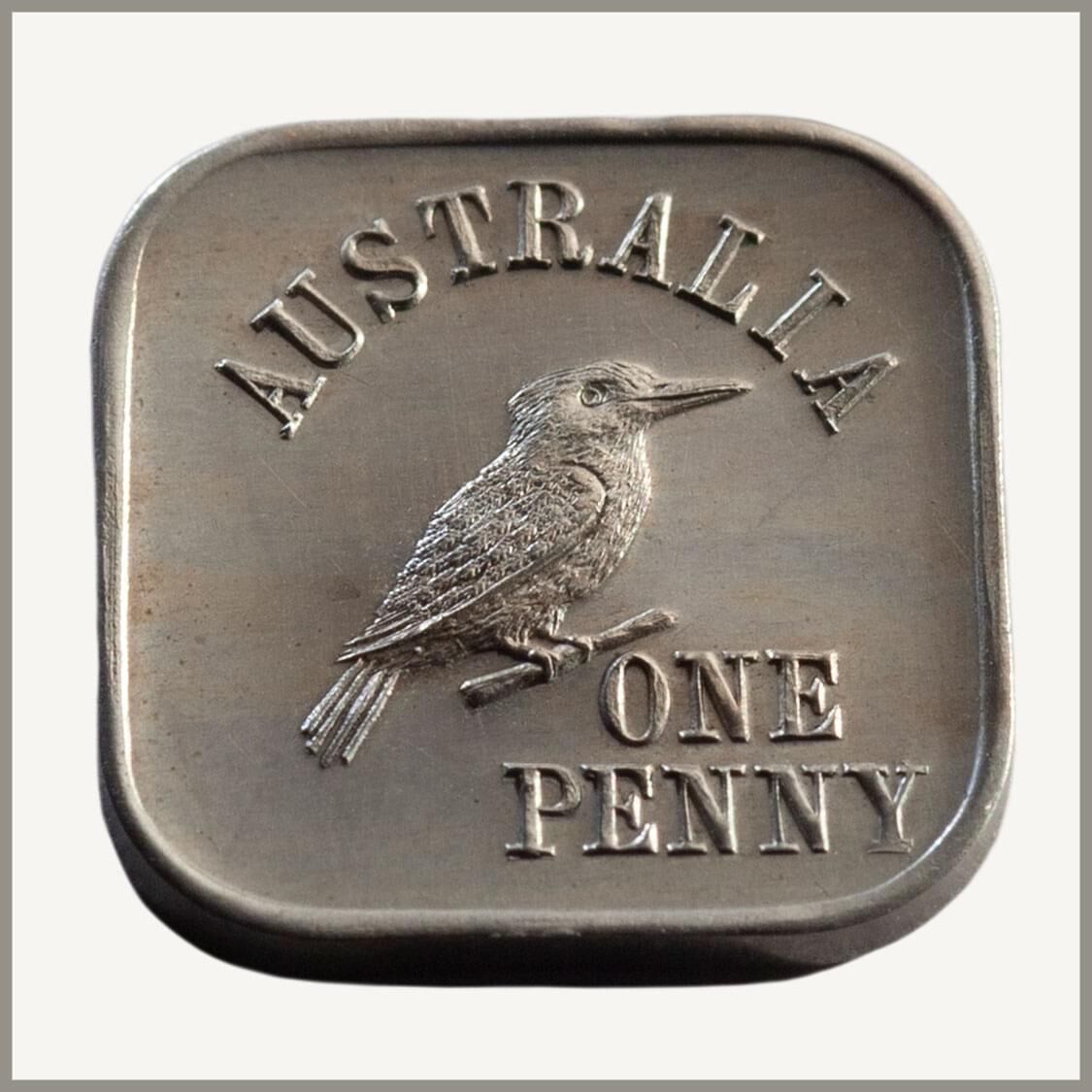
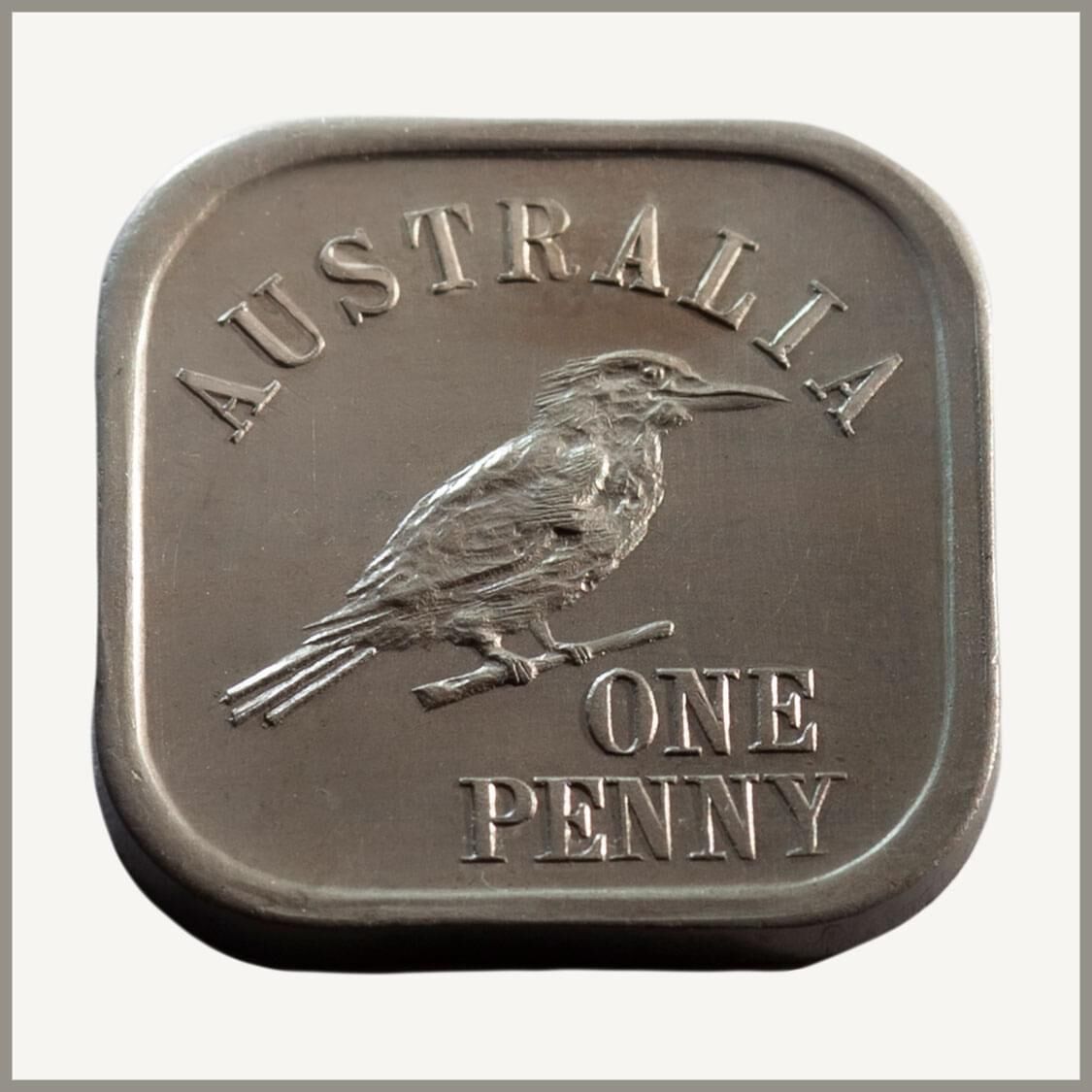
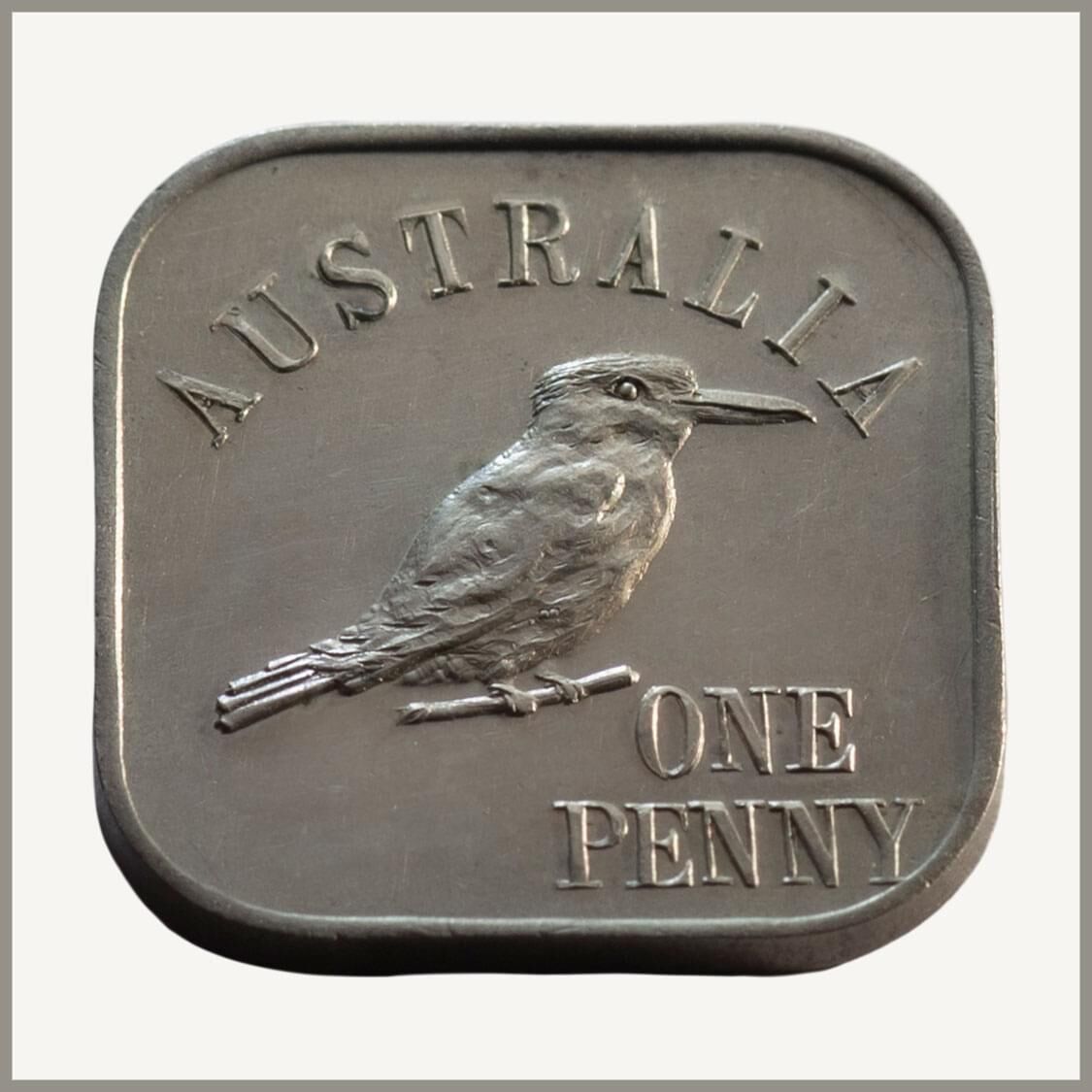
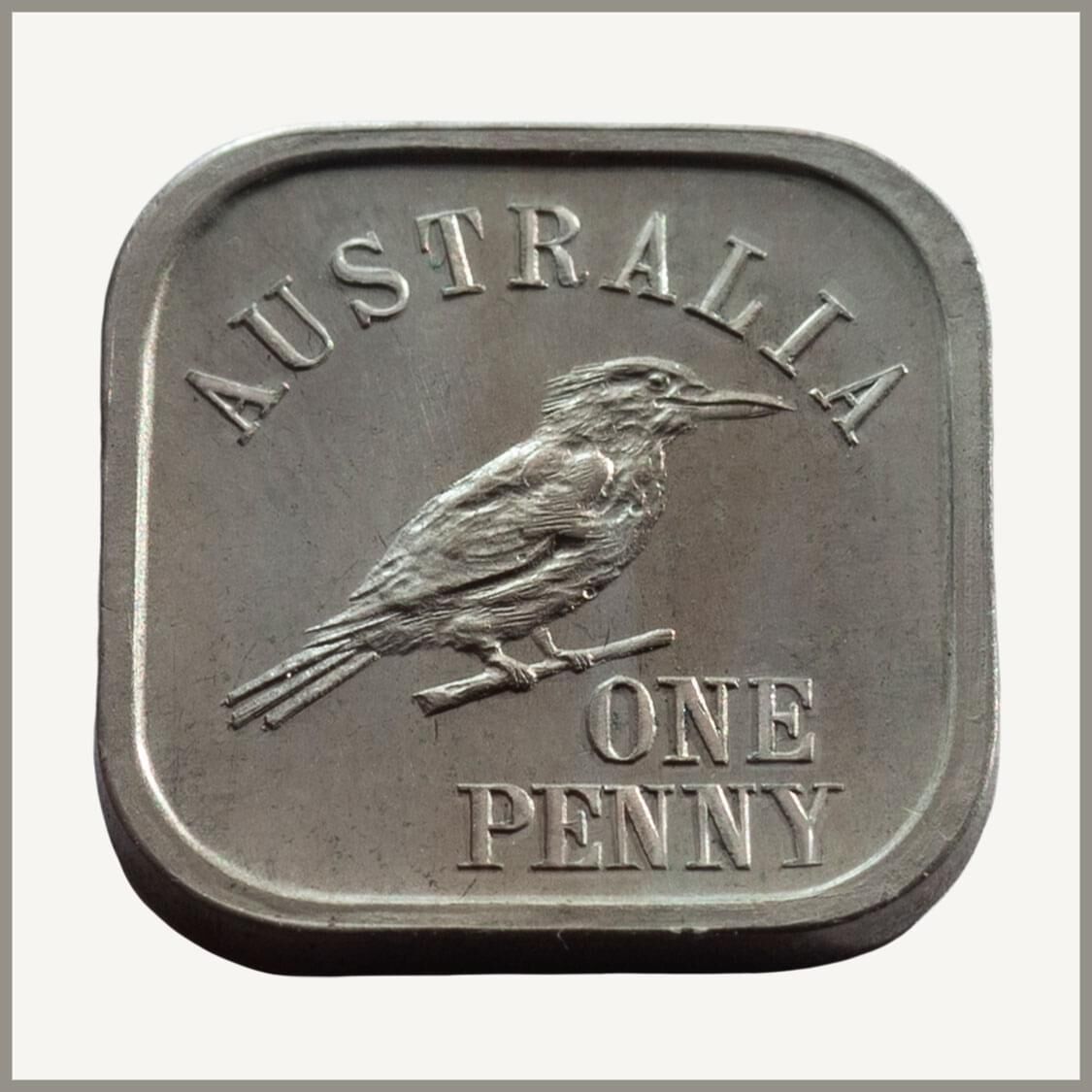
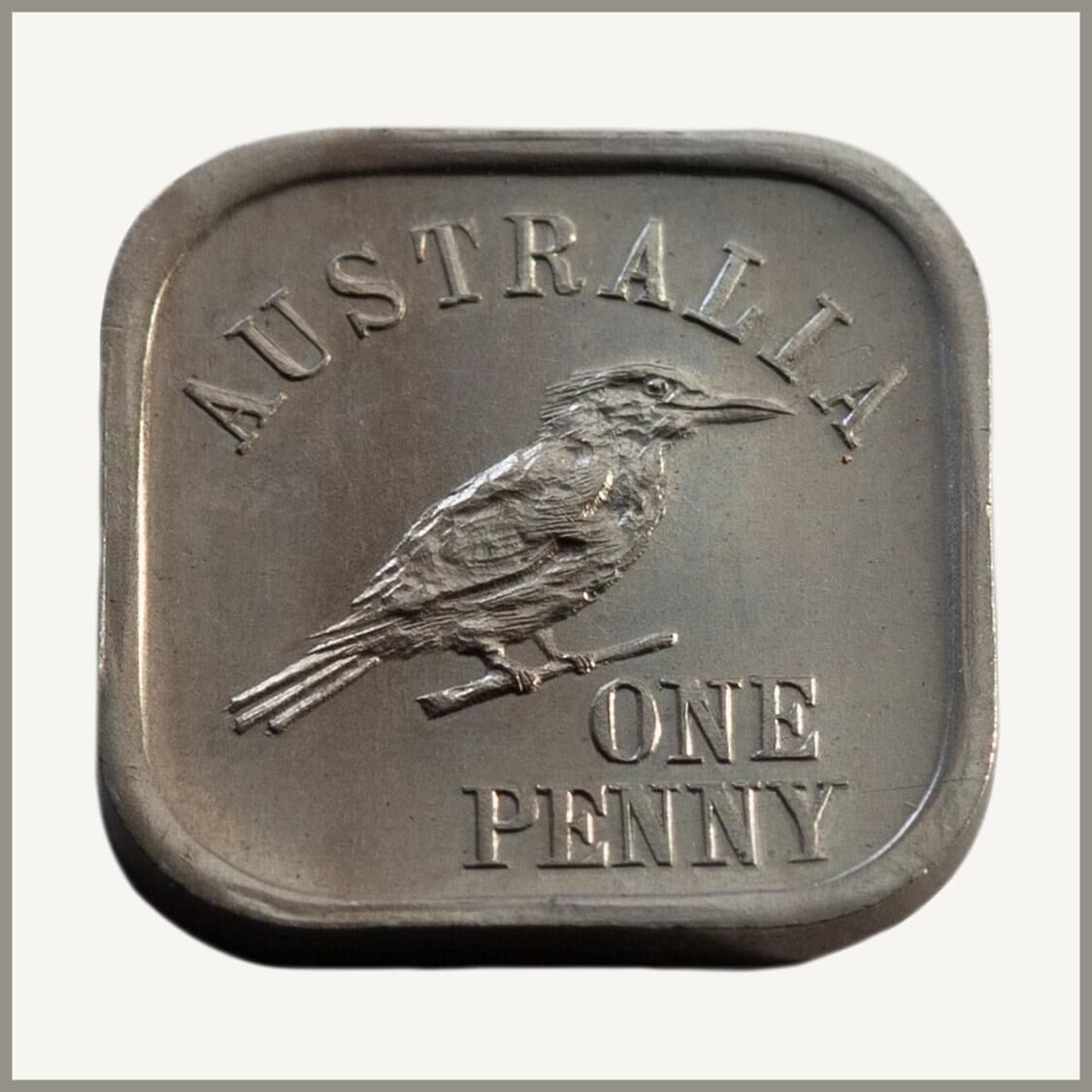
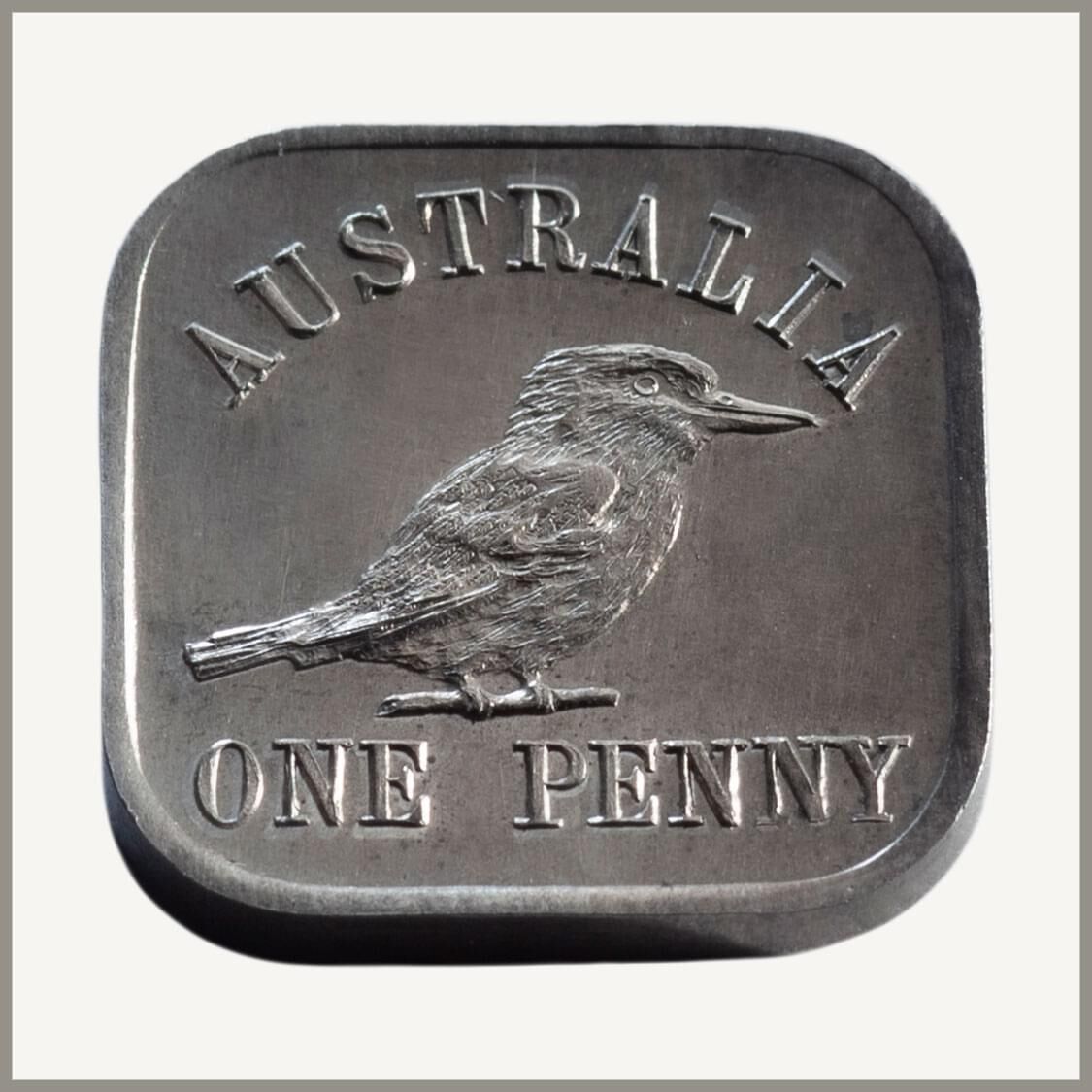
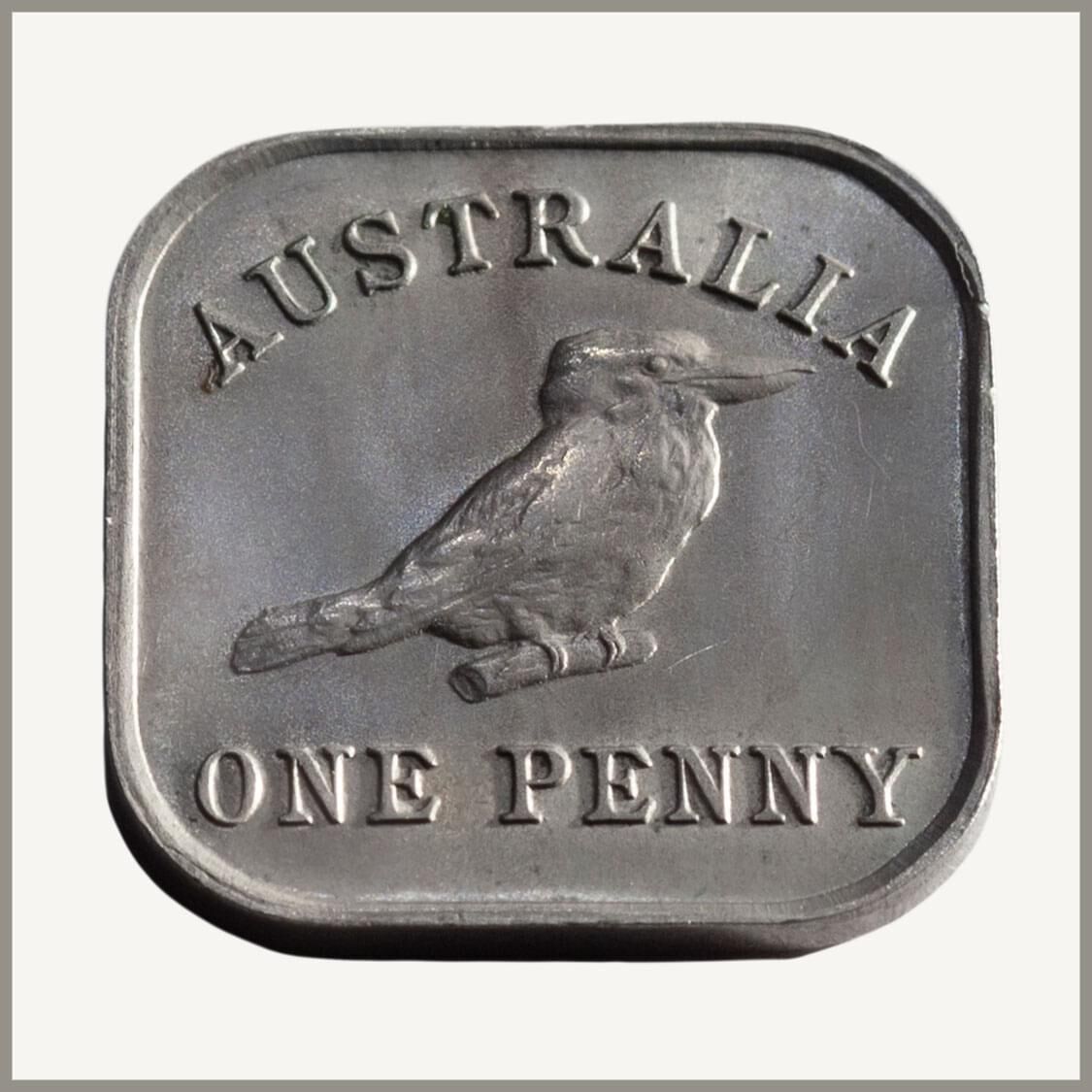
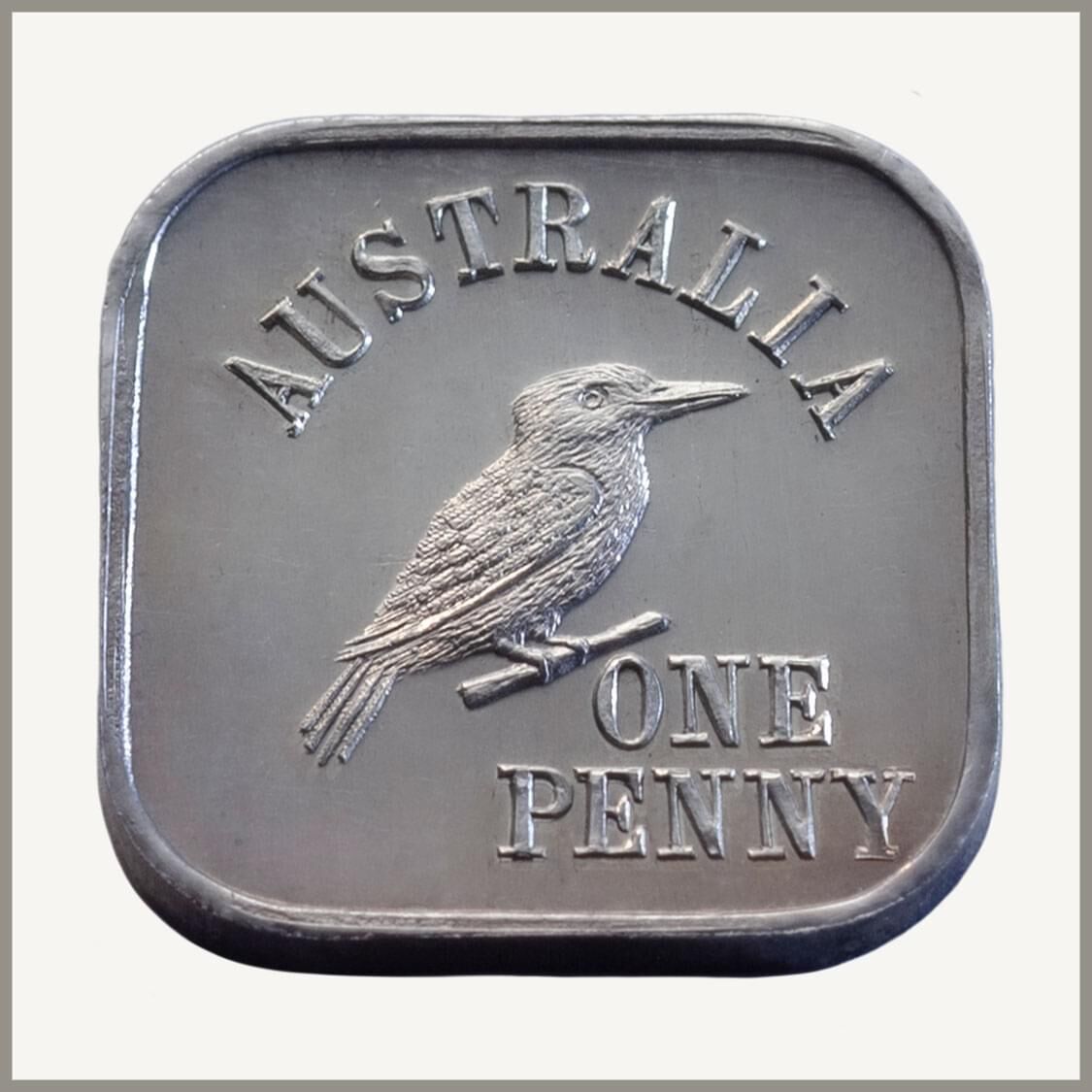
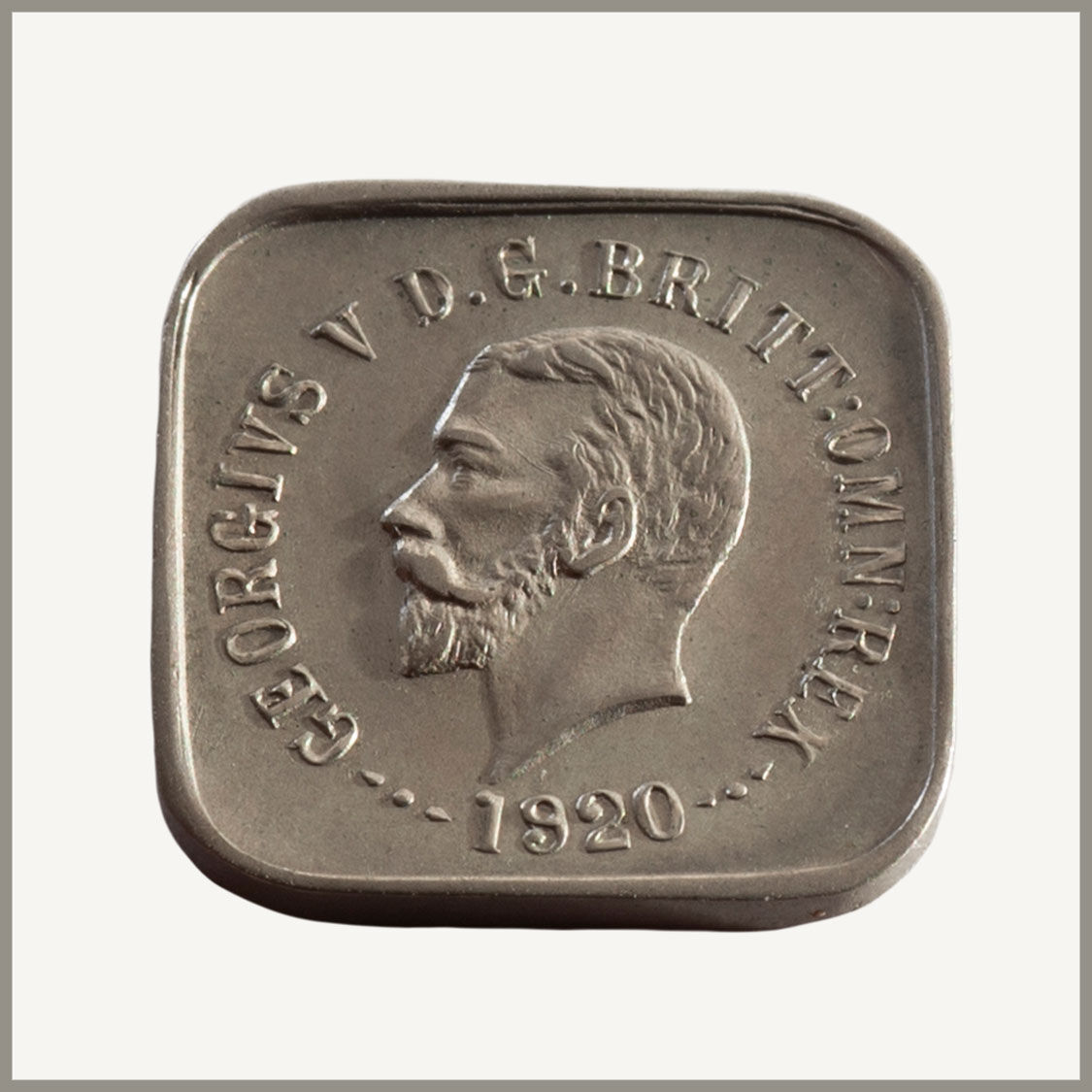
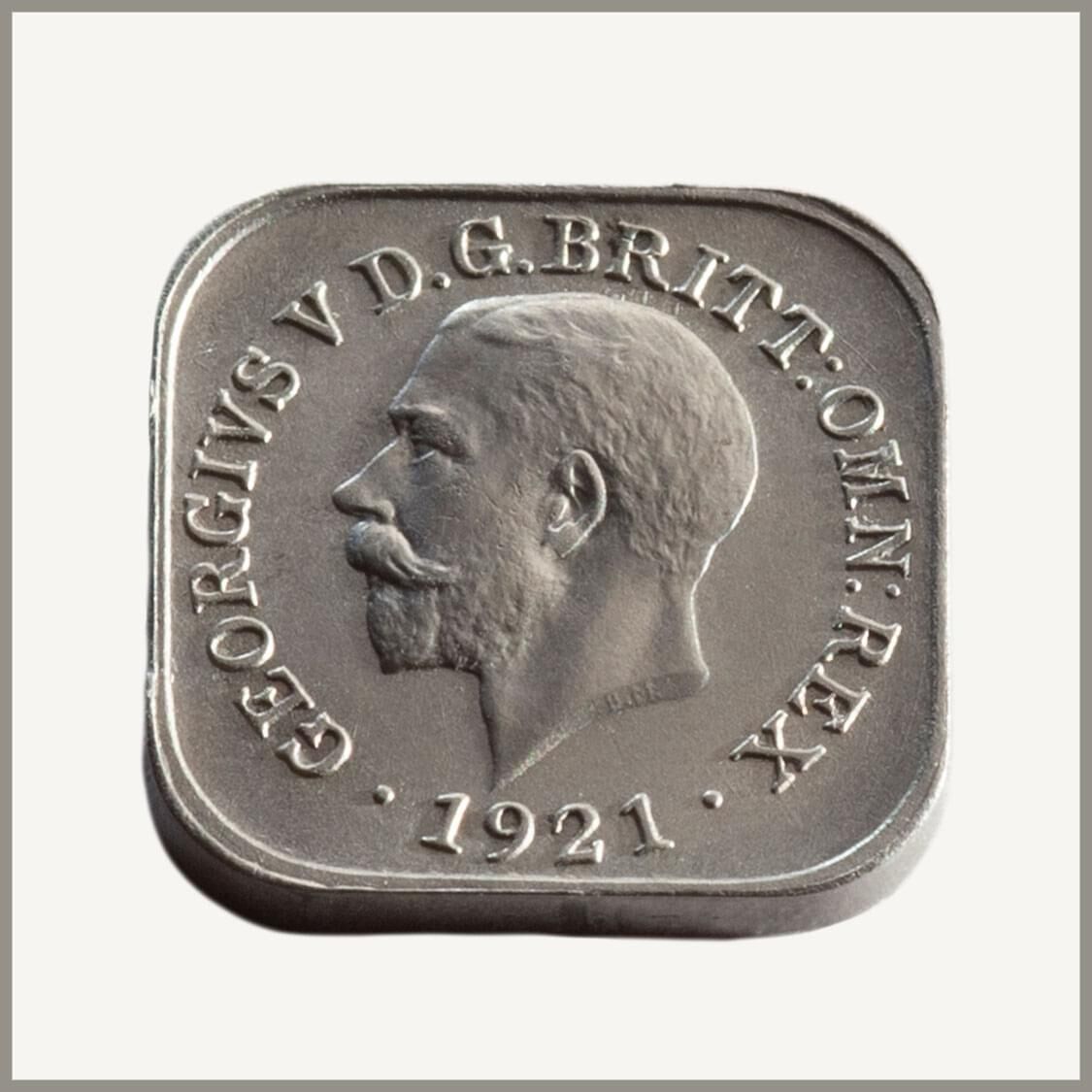
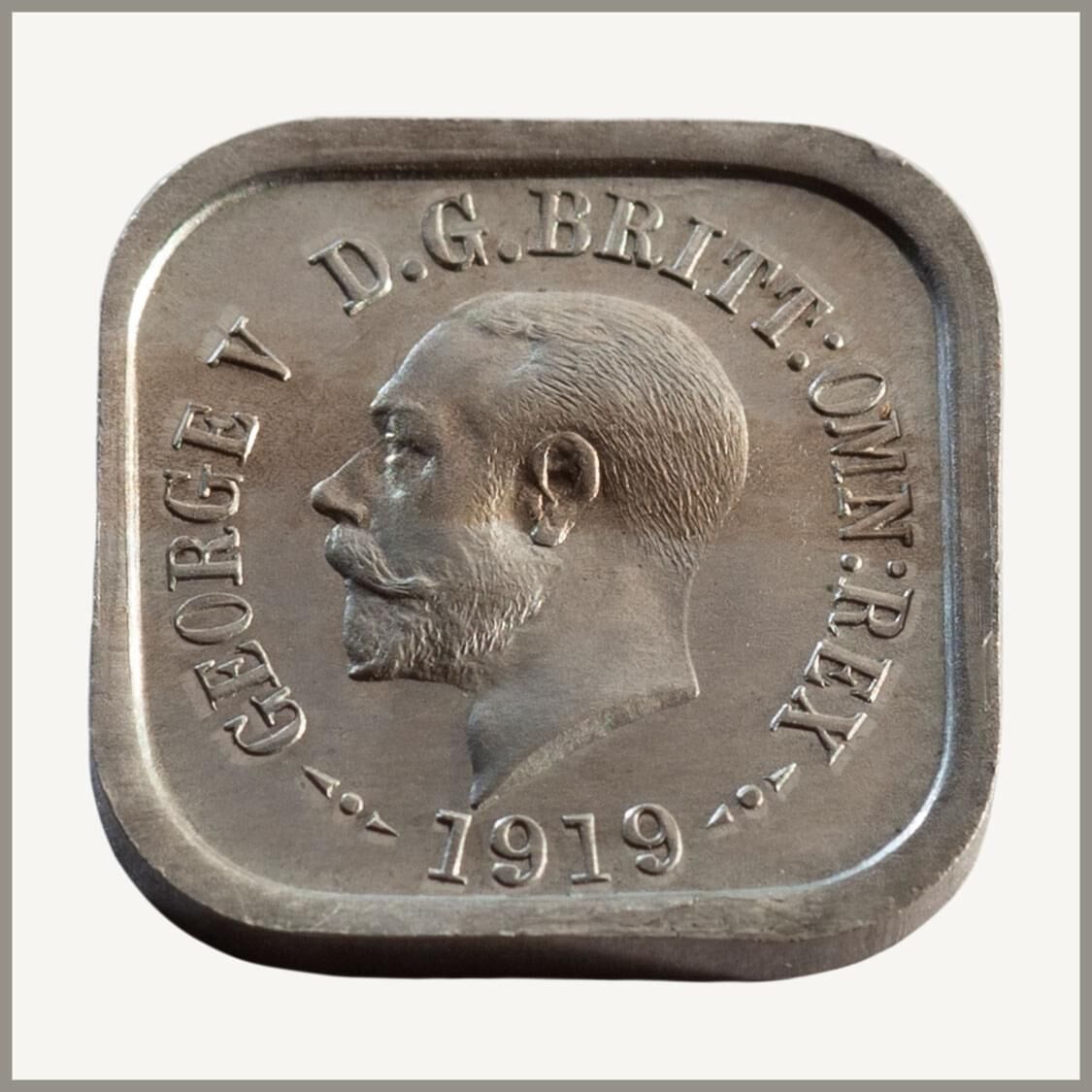
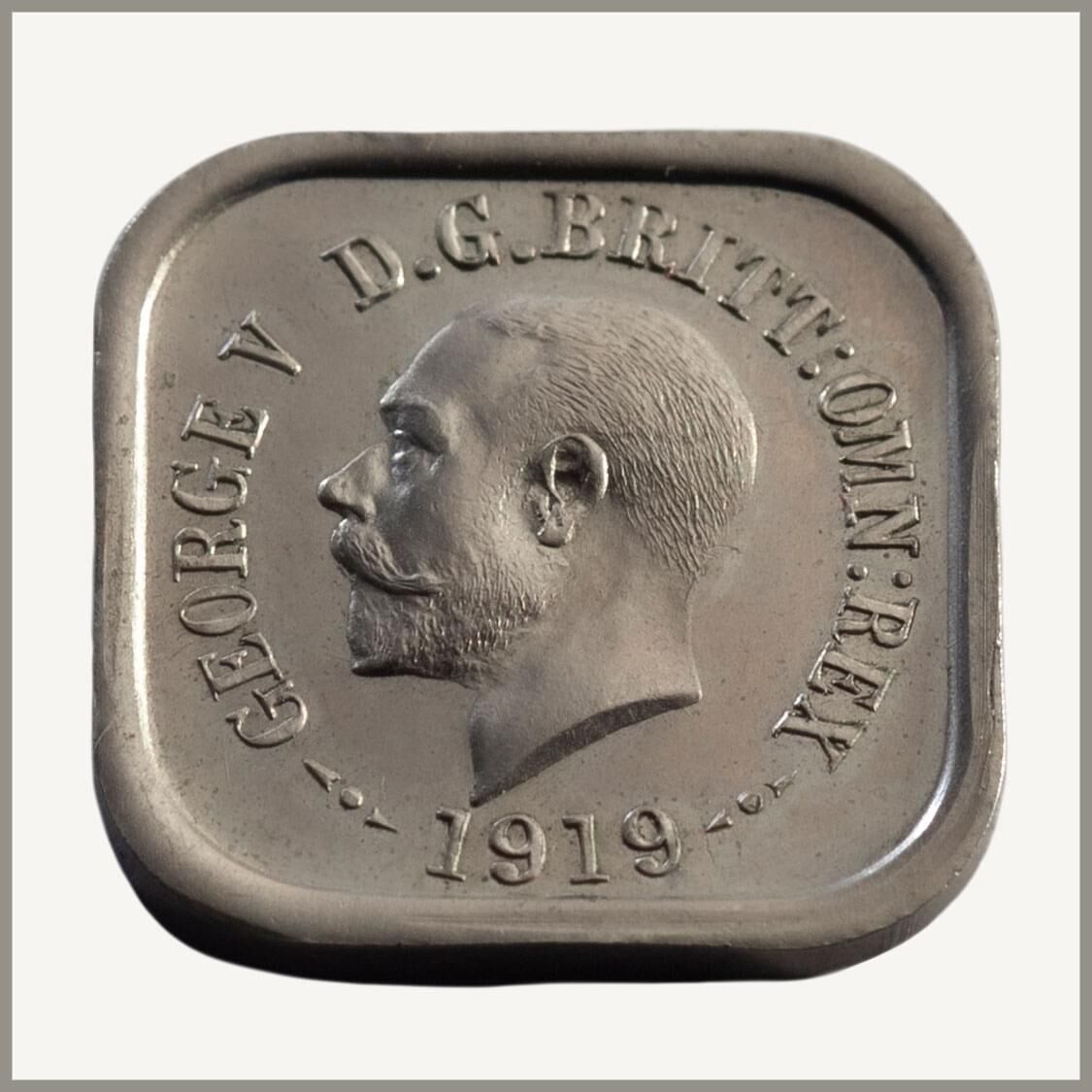
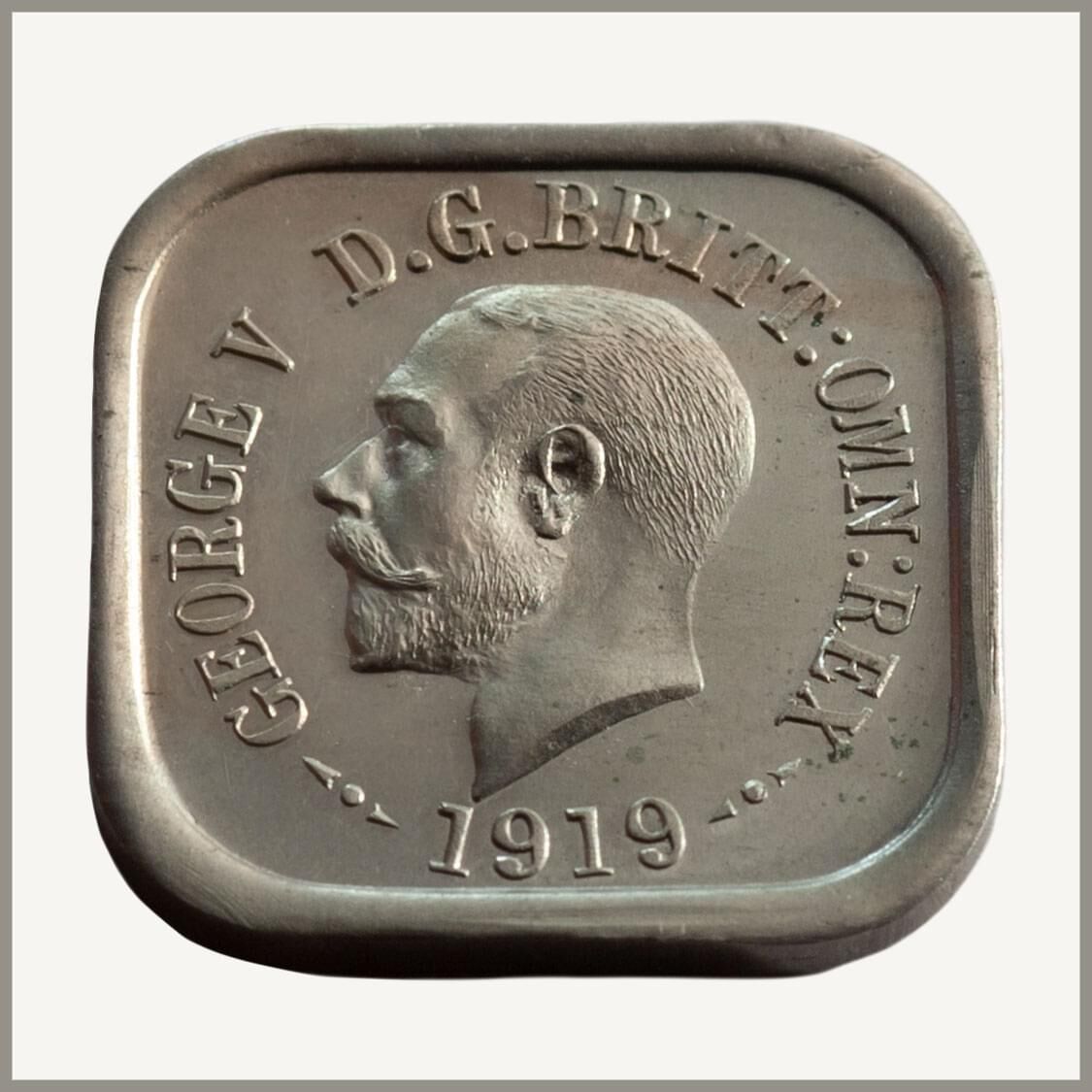
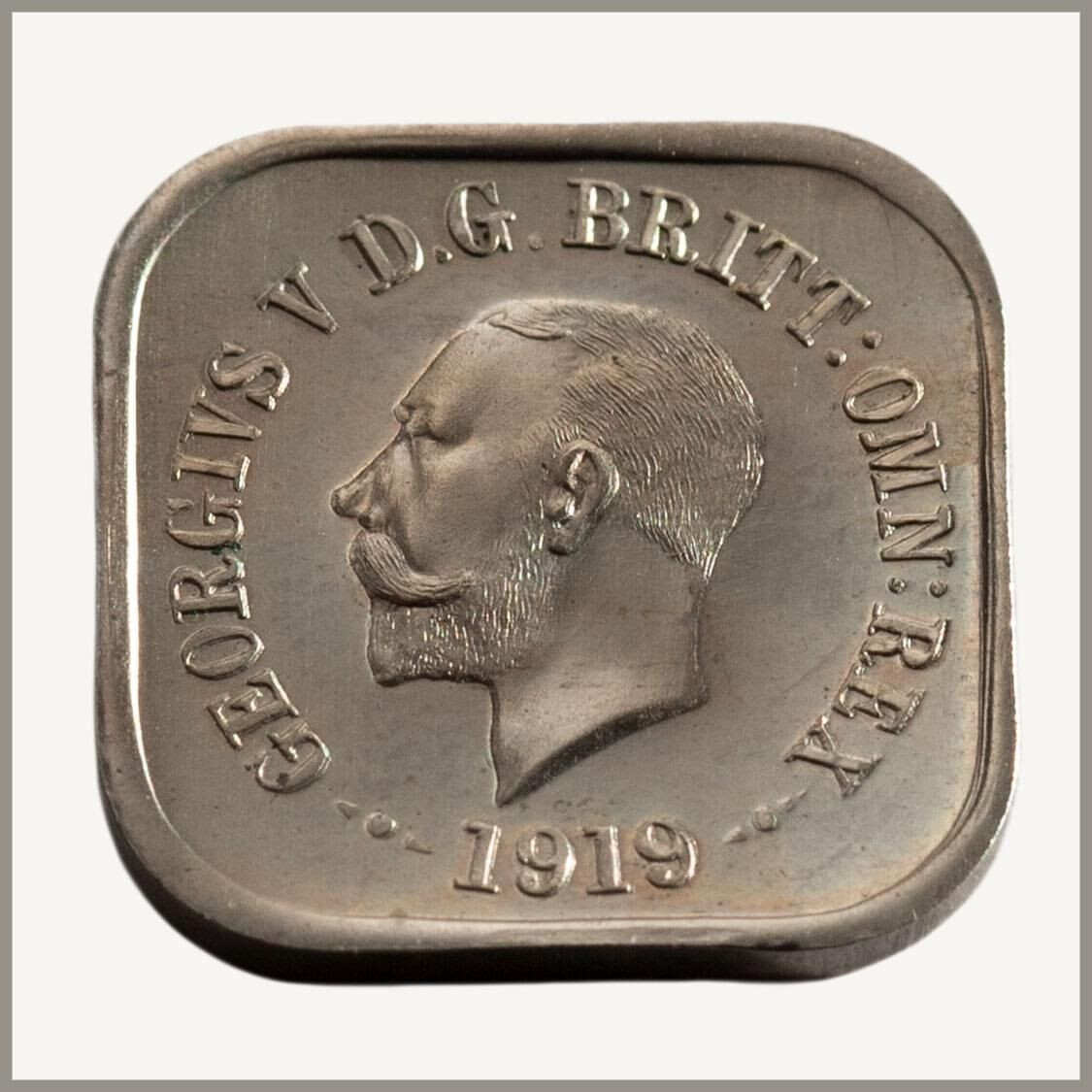
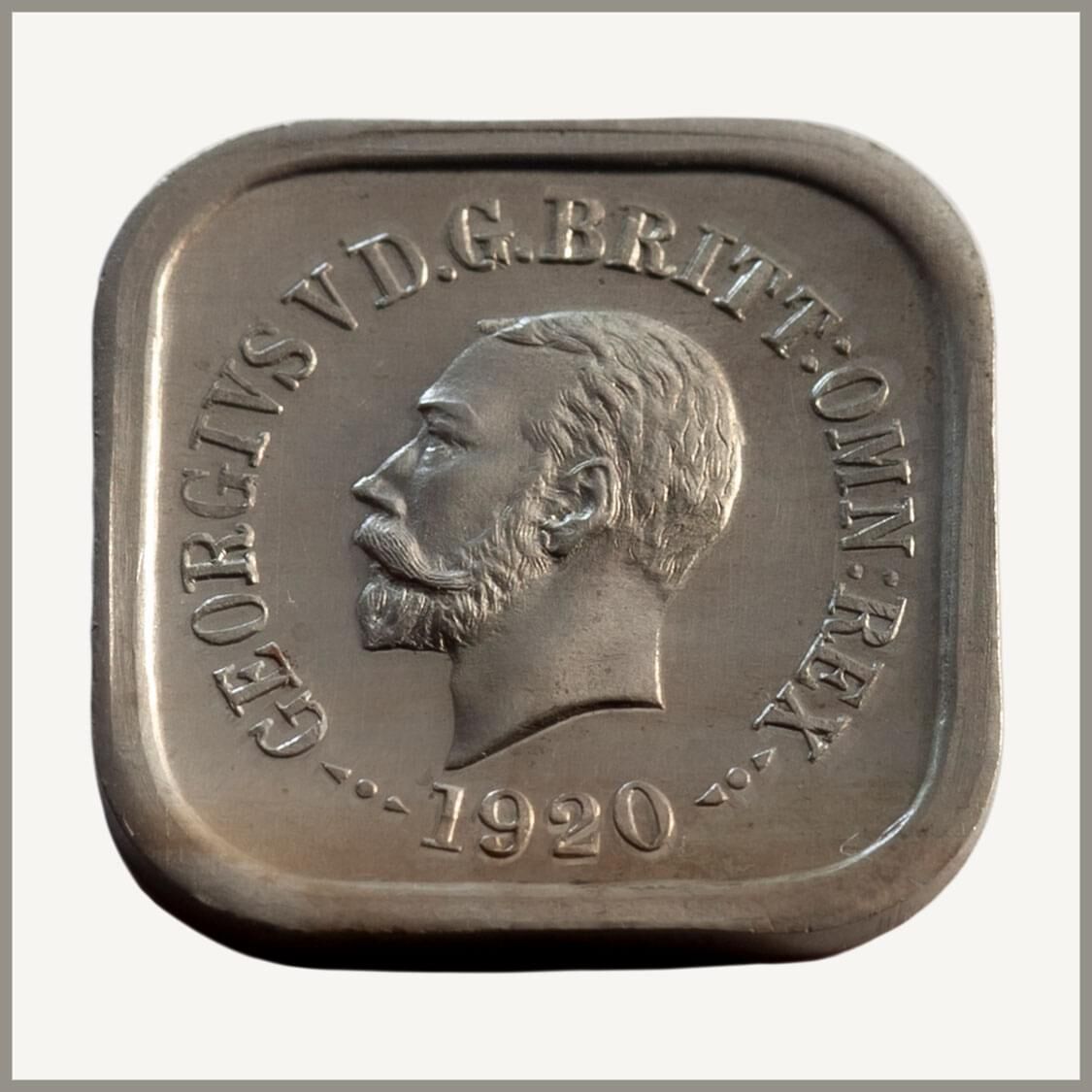
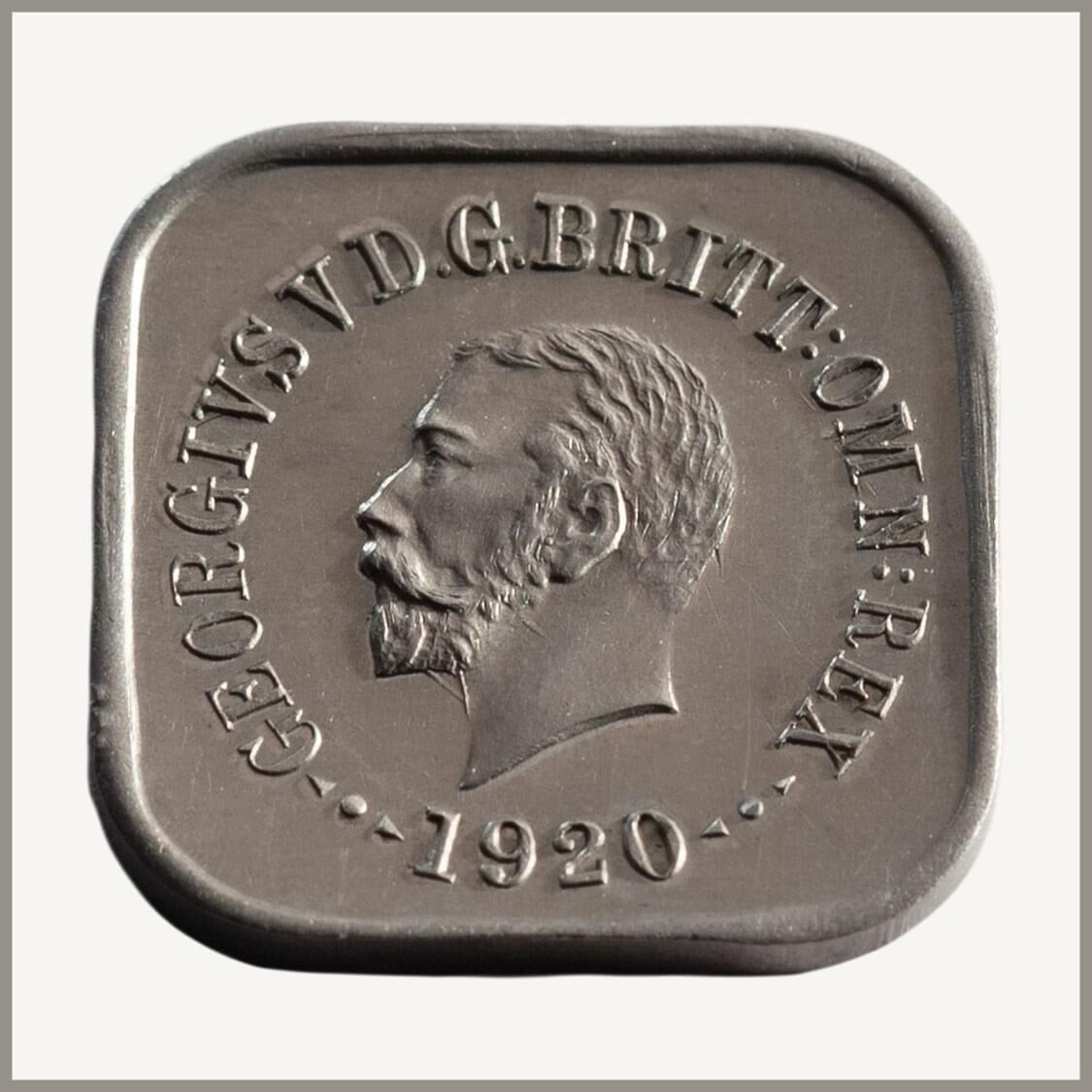
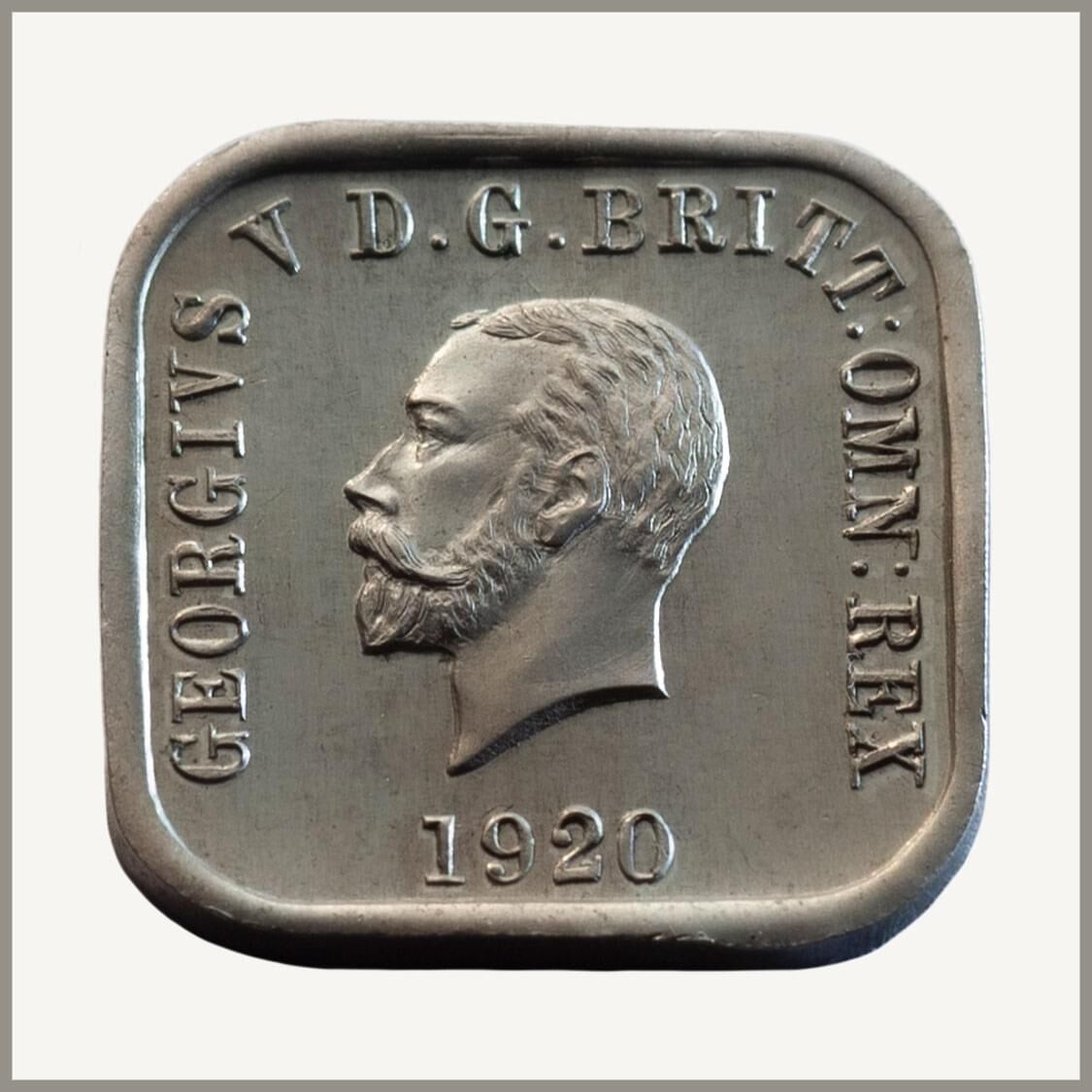
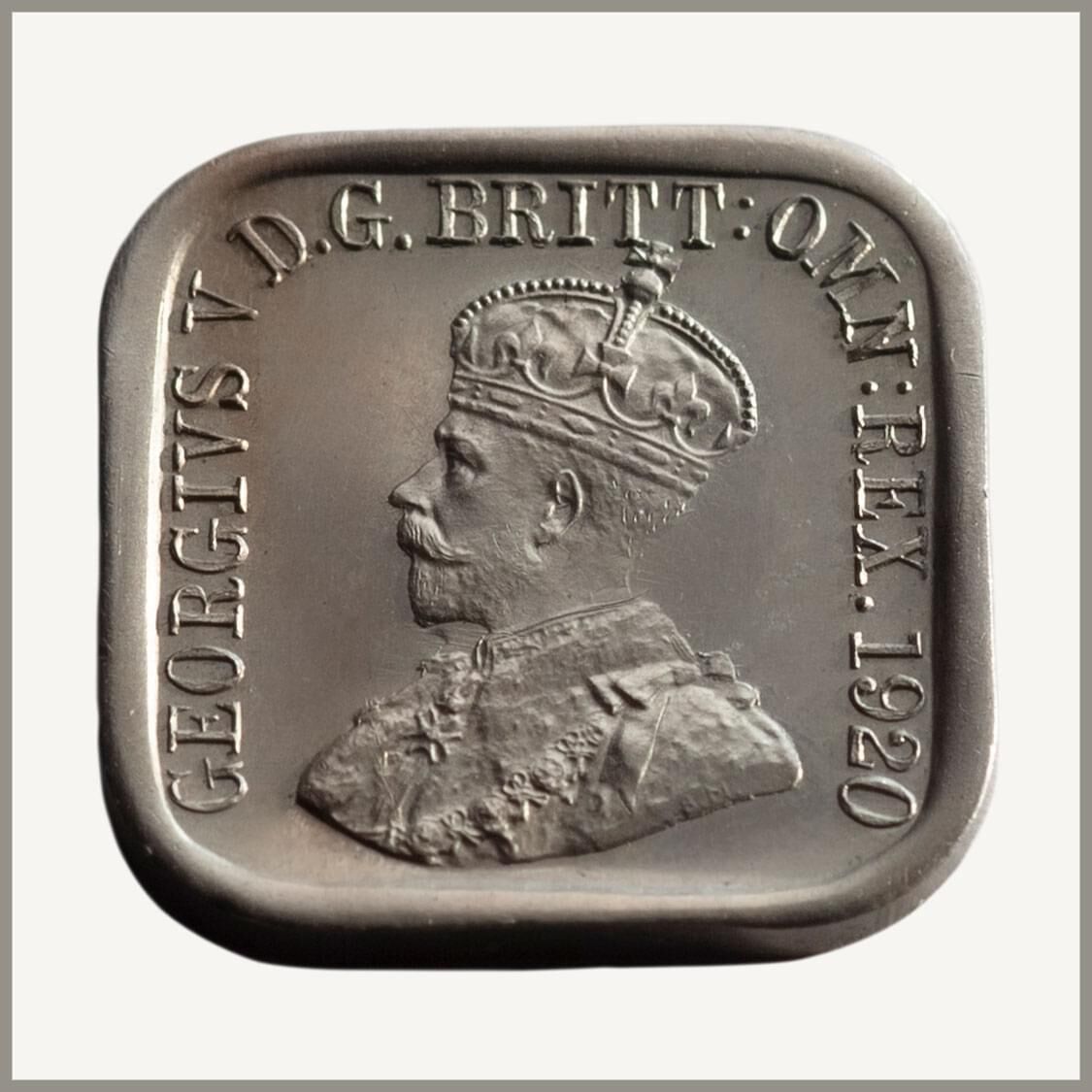
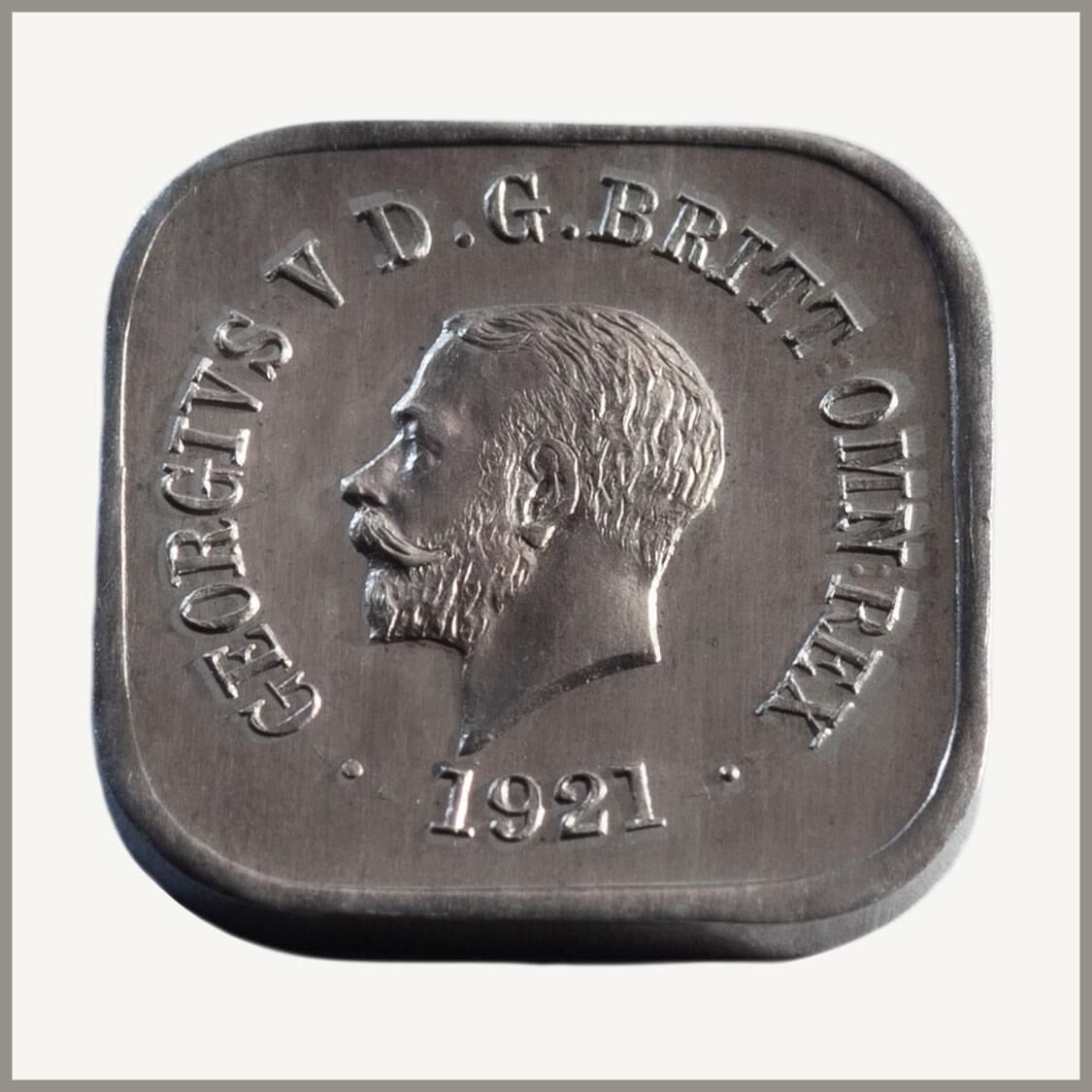
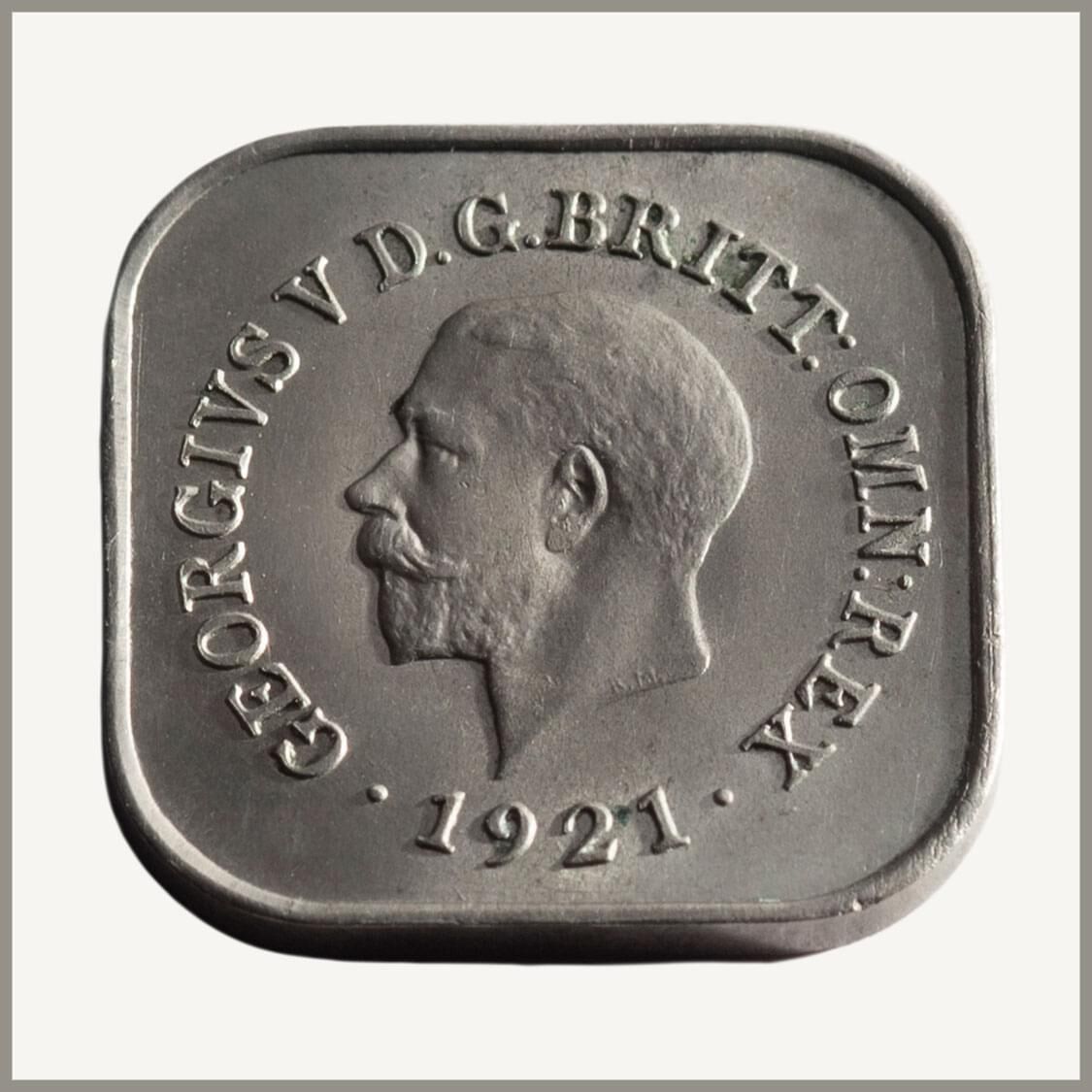
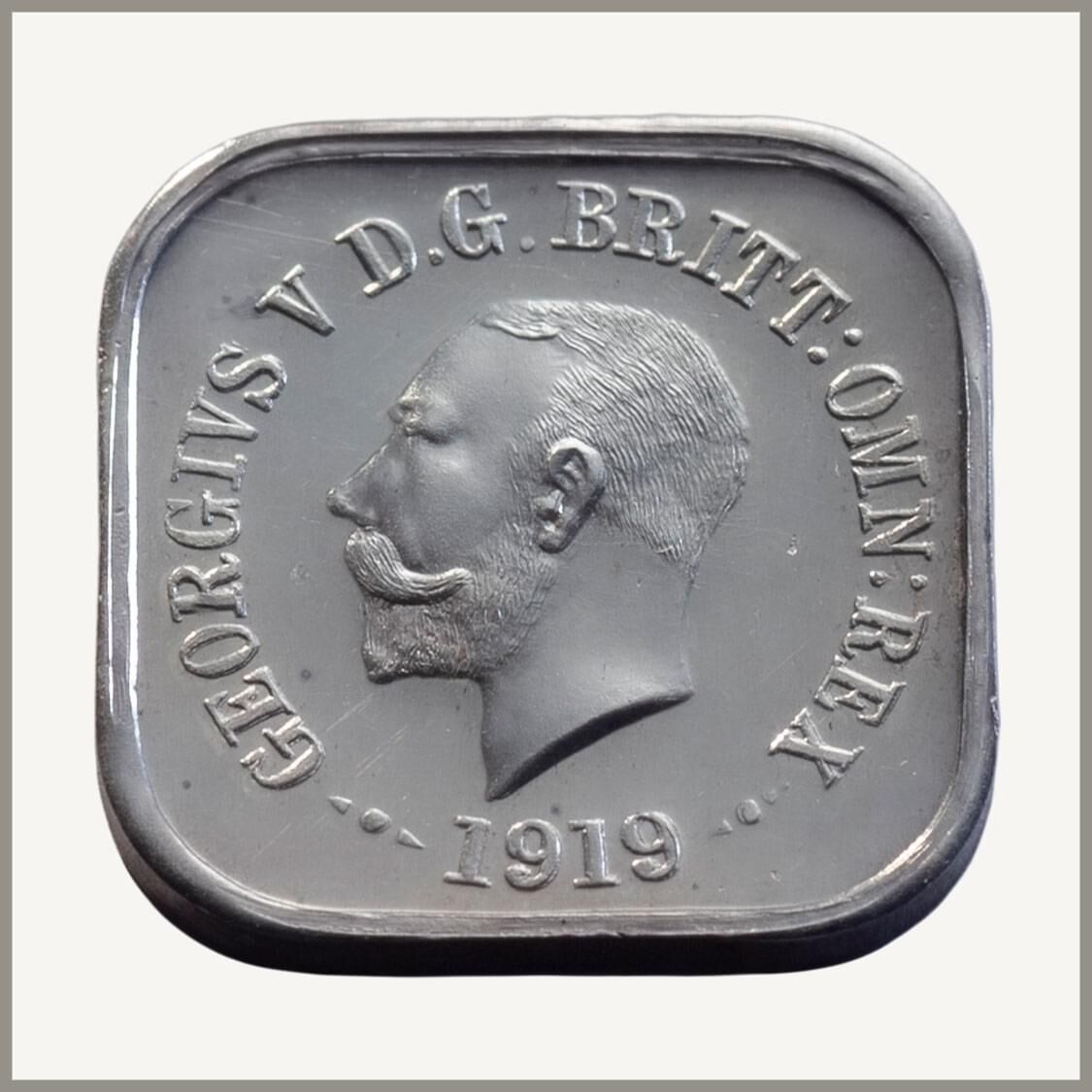
The Kookaburra coins are the spirit of Australia.
The Melbourne Mint commenced striking Australia's Commonwealth copper pennies in 1919. No sooner had the mint started issuing coins, than it was directed by Treasury to commence testing an entirely new penny concept, a square coin made from cupro-nickel.
The Melbourne Mint was established in 1872, and was a producer of gold and silver coins and had just commenced production of bronze pennies in 1919. While new to the mint, the striking of nickel coinage as legal tender had been incorporated into the Commonwealth's Coinage Act of 1909 (No. 6 of 1909), passed after Federation.
The period 1919 to 1921, sits squarely in the post–World War I period, the first years of peace after immense war-time loss. And an experimental era when Australia was rebuilding its national confidence and defining its own national identity through design. Or through whatever means it could.
For many Australians, it was a time for breaking out, of questioning and changing old values and behaviour and enjoying the good life. It was a time of great change. People forgot the old and embraced the new in an attempt to leave the hardship and struggles of the war behind them. New technology was being created, like toasters and cars, things that today we take for granted. The fashion world was exploding, Australians embracing great change in their styles of dress.
Australians were identifying with their own culture, keen to lessen the emotional and cultural ties with Great Britain. The Government wanted to tap into this nationalistic sentiment and create a new, totally Australian coinage, the Kookaburra Penny and Kookaburra Halfpenny, envisaging coins that would be unique to Australia.
It was one of the instruments the Government believed would give us a greater awareness, and appreciation, of all things Australian. A mechanism to promote national spirit.
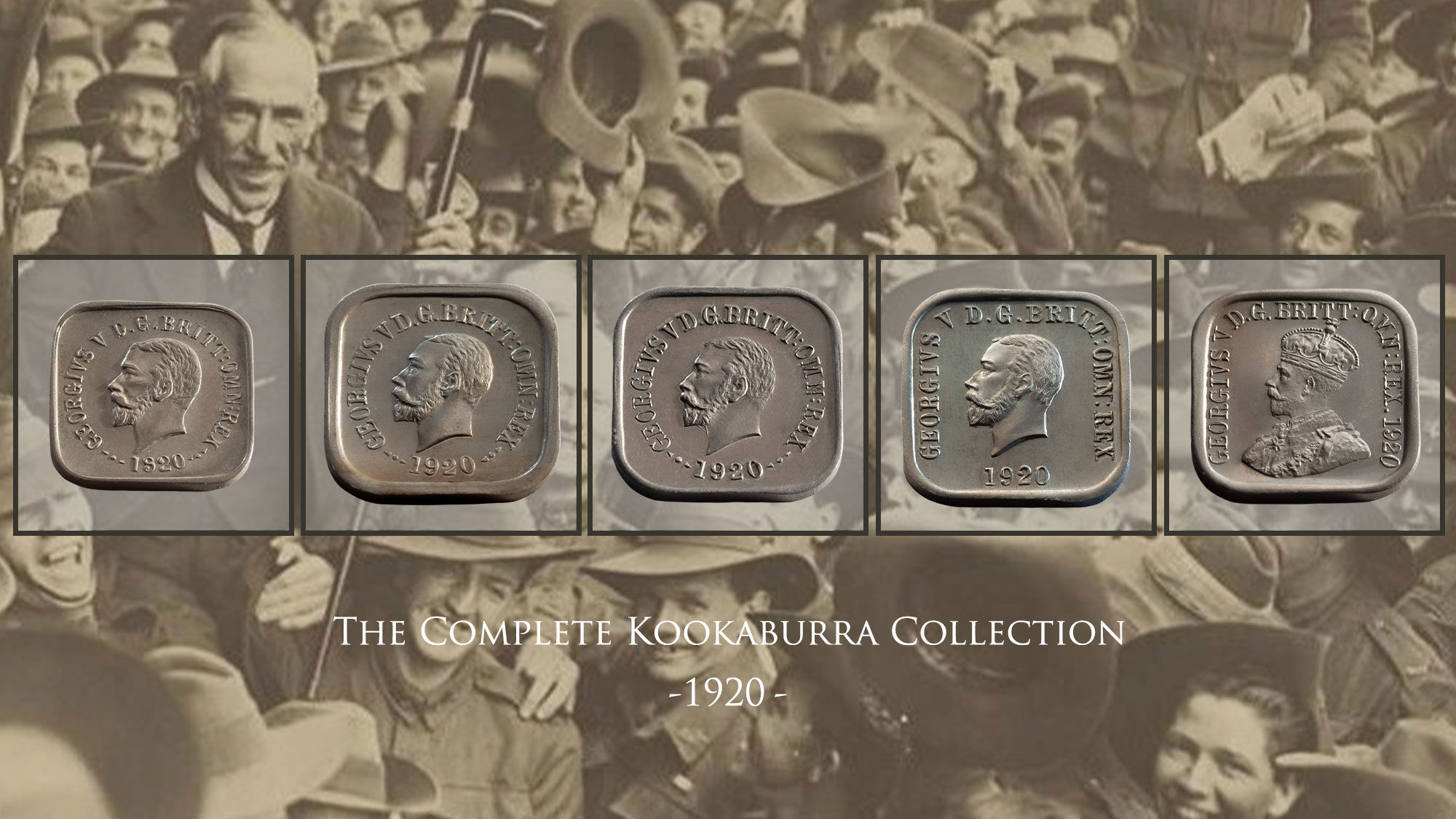
The proposal was contentious in that King George V was depicted on the obverse without a crown. It is noted that all coins struck under the newly formed Commonwealth of Australia depicted a crowned monarch.
Contentious also the use of the word 'Australia' in the design and not 'Commonwealth of Australia'. It was a hard road to Federation, uniting the six colonies under one banner, involving decades of negotiation and intense debate. Ultimately, the six separate British colonies united under the banner Commonwealth of Australia on January 1, 1901. Again it is noted that Australia's bronze pennies and halfpennies issued by the newly formed Commonwealth of Australia acknowledged the nation's federated status in the legend.
Trials commenced at the Melbourne Mint in 1919 and continued until 1921, the mint producing different designs, each a variation of the one theme of a kookaburra sitting on a branch and on the other side, an uncrowned portrait of George V. The test pieces ultimately passed to dignitaries and Government officials to assess their reaction.
The program of testing did not move forward beyond 1921. And the coins did not move into production. It is believed that over the three-year period two hundred pieces, of various designs, were produced, of which we estimate, one hundred and fifty are available to collectors.
The best thing for collectors is that the one hundred and fifty kookaburra coins do not bear the same design. The Melbourne Mint tested many different styles of both obverse and reverse introducing enormous interest, personal choice and procurement challenges into the series.
There is no consensus as to why the coins did not move into production. The resignation in 1920 of Treasurer, William Watts, a supporter of the Kookaburra coinage did not impact on the program as his replacement Sir Joseph Cook was strongly in favour. That vending machines required a circular coin is also refuted as is the claim that it was unpopular with the general population.
Our view is that it was simply too soon in the national psyche.
While shaping our identity was politically expedient, uniting the states under the banner of Commonwealth of Australia was deemed a higher and more important priority. And the reality is the words 'Commonwealth of Australia' could never have been incorporated into the kookaburra design, given the size of the coins.
The quest to define Australia's national identity began with the Kookaburra Pennies and Halfpennies. It was Australia's first attempt at independent design in our coinage, a currency that was Australian in imagery, concept and form.
Transitioning to a more independent identity commenced in 1937/1938. And was extended in 1966, when Australia changed to decimal currency. On the five denominations, one, two, five, ten and twenty cent, the word 'Australia' appeared on the obverse and animals native to Australia appeared on the reverse.
For many collectors the fascination with the Kookaburra Penny and Halfpenny takes them on a journey to acquire more than one example. The coins are engaging and their rarity offers collectors the challenge they so often seek.
It is obvious when you look at the Complete Kookaburra Collection that the Melbourne Mint had tested different minting techniques in the production of the kookaburra coins and this is reflected in their surfaces. Those struck in 1919 classically have highly polished mirror surfaces. The 1920s, slightly less so. And the 1921 Type 2 and 12, a satin finish.
It is a statement of fact that a Kookaburra Square Penny and a Kookaburra Square Halfpenny with minor toning and beautiful surfaces is a joy to behold. And a prized classic Australian coin rarity.
Highlights of Coinworks Inventory
© Copyright: Coinworks