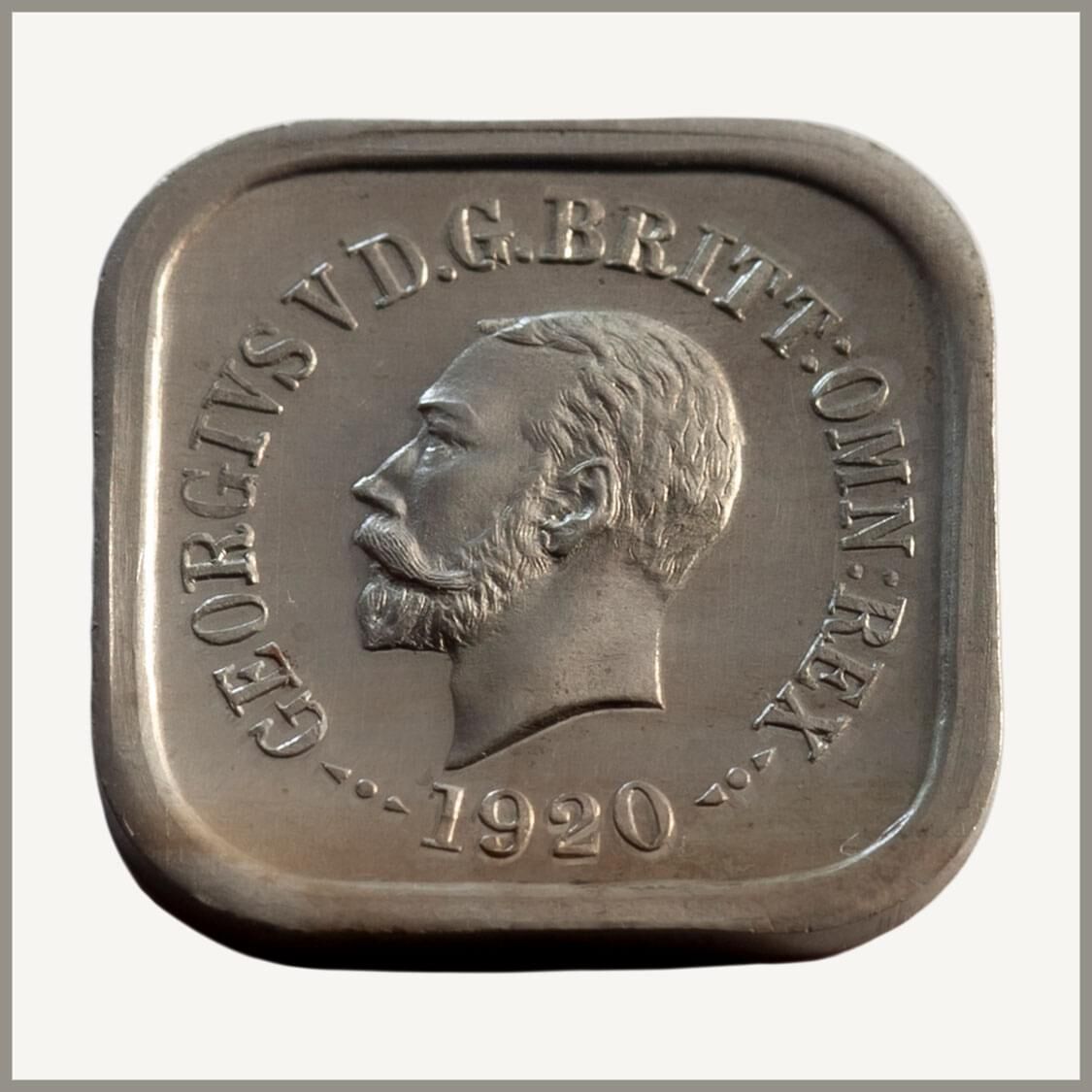
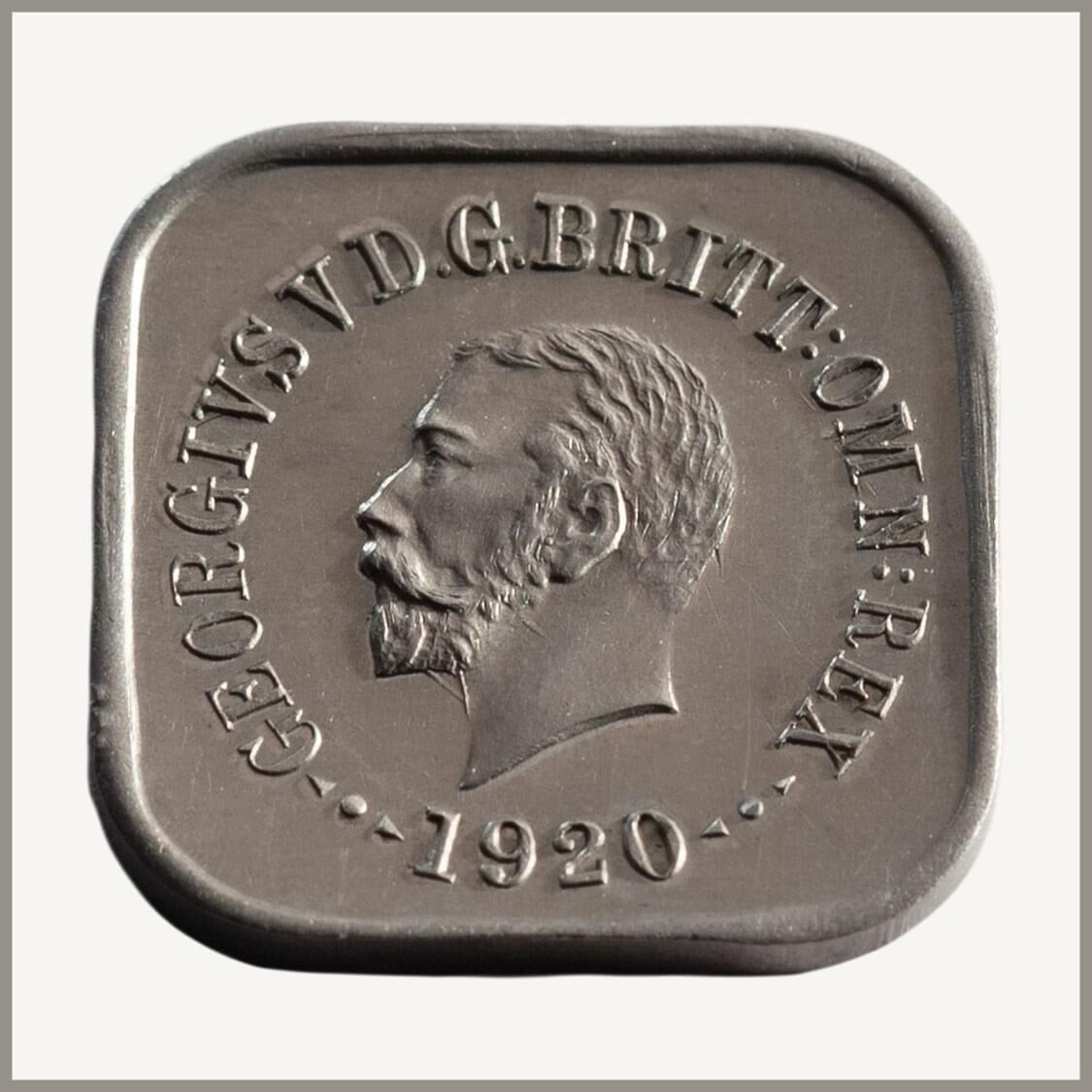
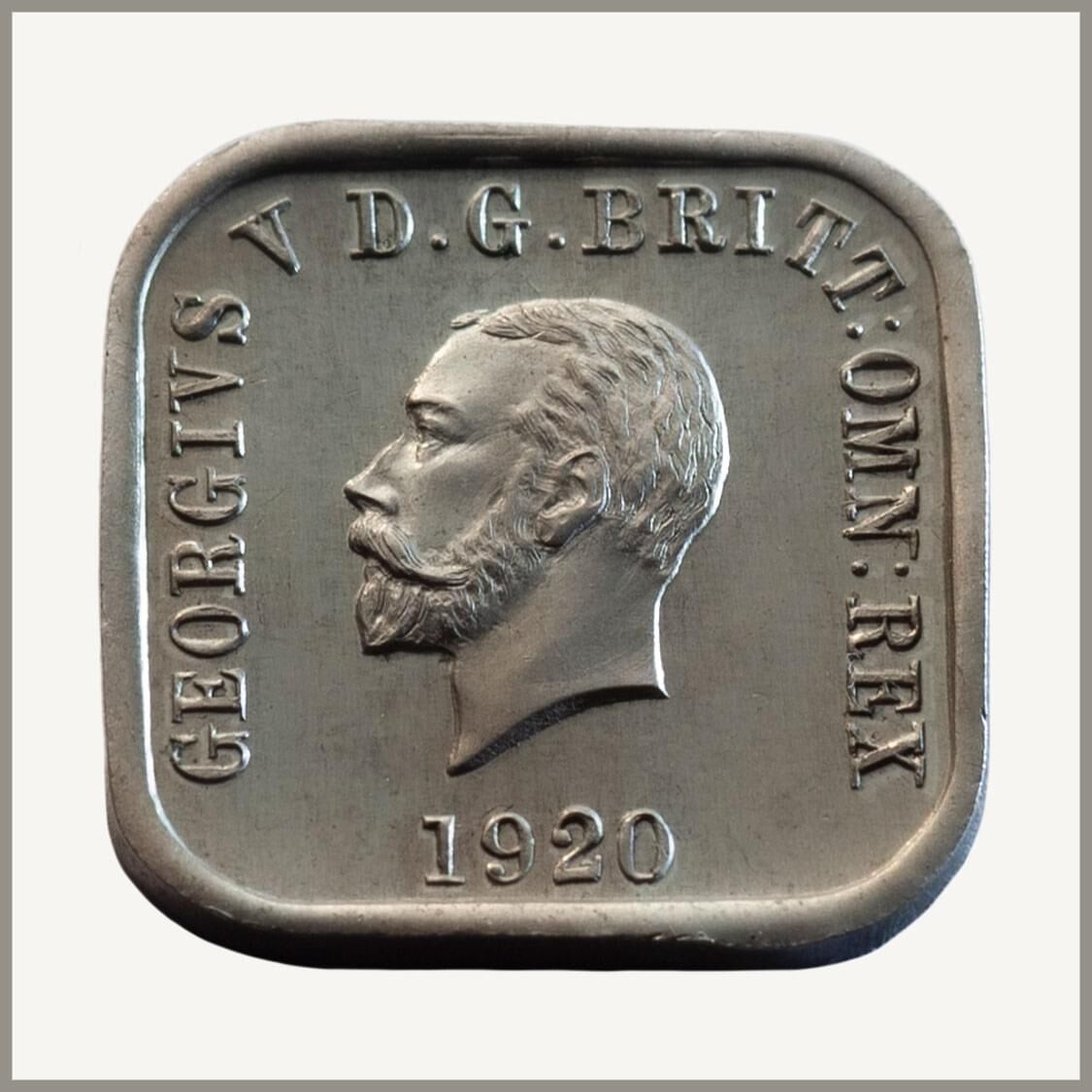
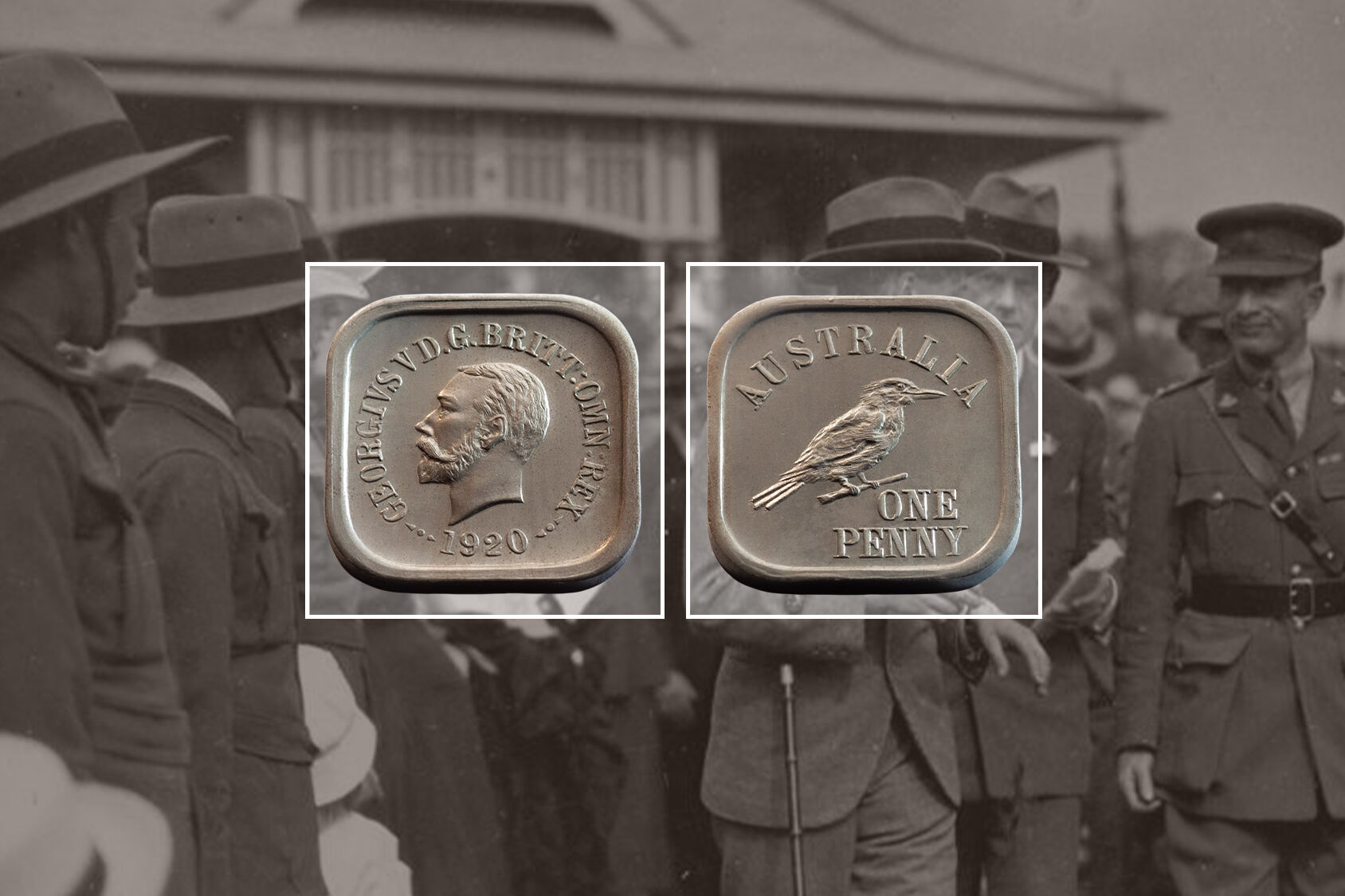
A spotlight on the Type 8 Kookaburra Penny, struck in 1920, a unique design and the rarest of the series.
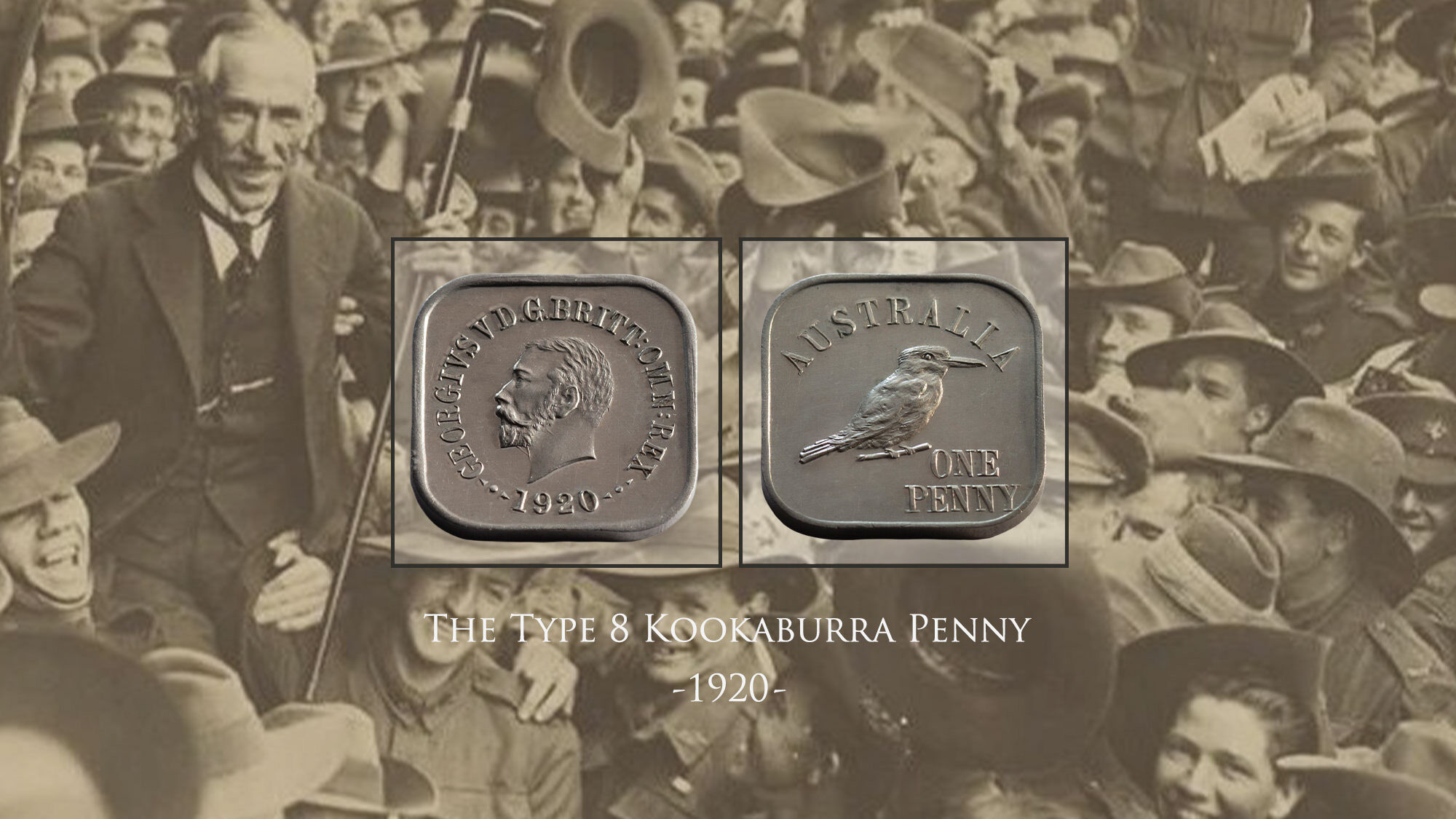
The Type 8 Kookaburra Penny struck in 1920 & four are known.
The Kookaburra Penny and Halfpenny were trailblazers: Australia's first attempt at independent design in our coinage, produced in 1919, 1920 and 1921 at the Melbourne Mint. Coins with simple design elegance, produced for Australians, by Australians.
Avand-guard and adventurous, the historical significance of the kookaburra coins cannot be overstated.
The coins pushed the boundaries of traditional design practices, using a 'never-tried before' concept of depicting wildlife unique to Australia. And introduced an innovative material of cupro-nickel. All of which were taken up in 1966 with Australia's decimal currency changeover!
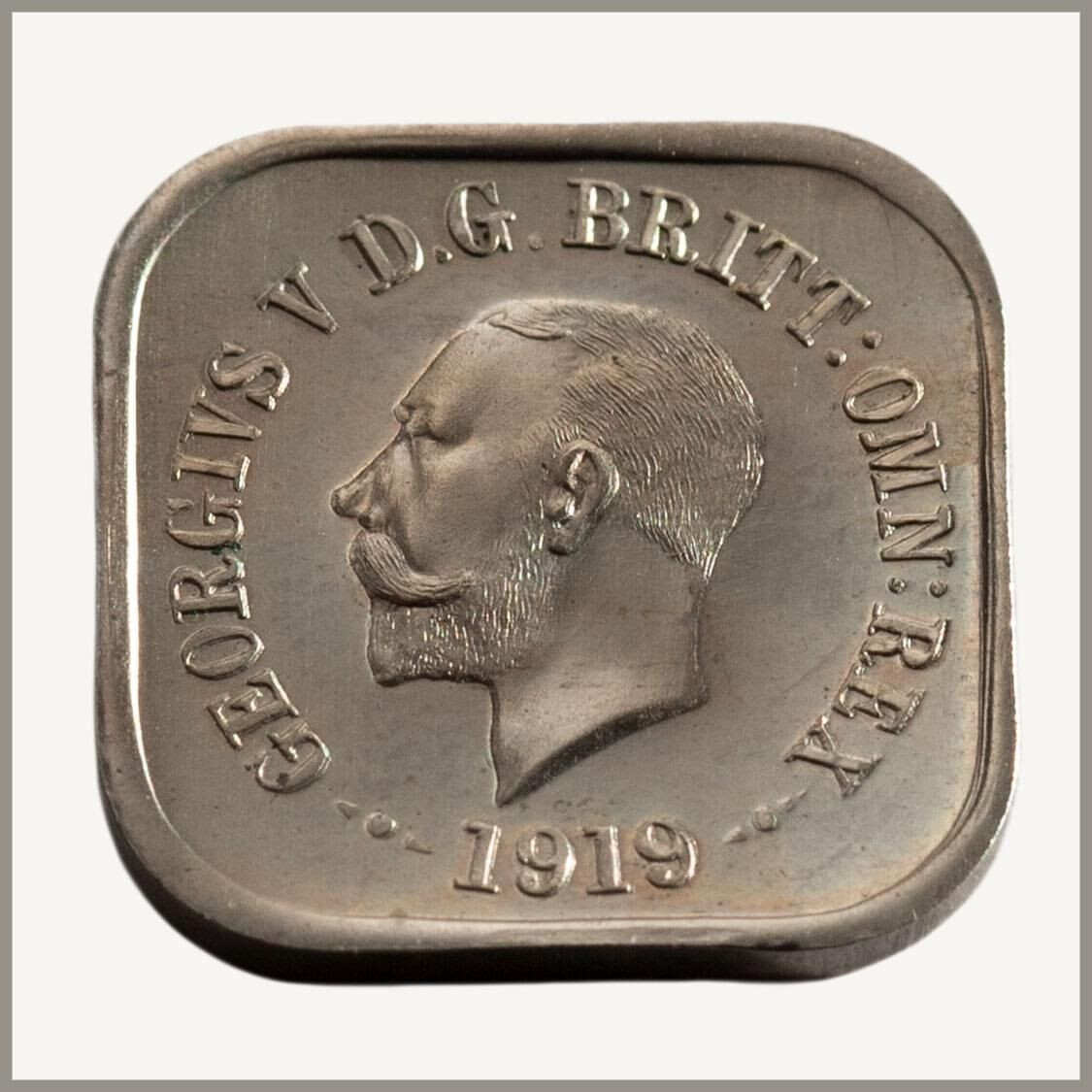
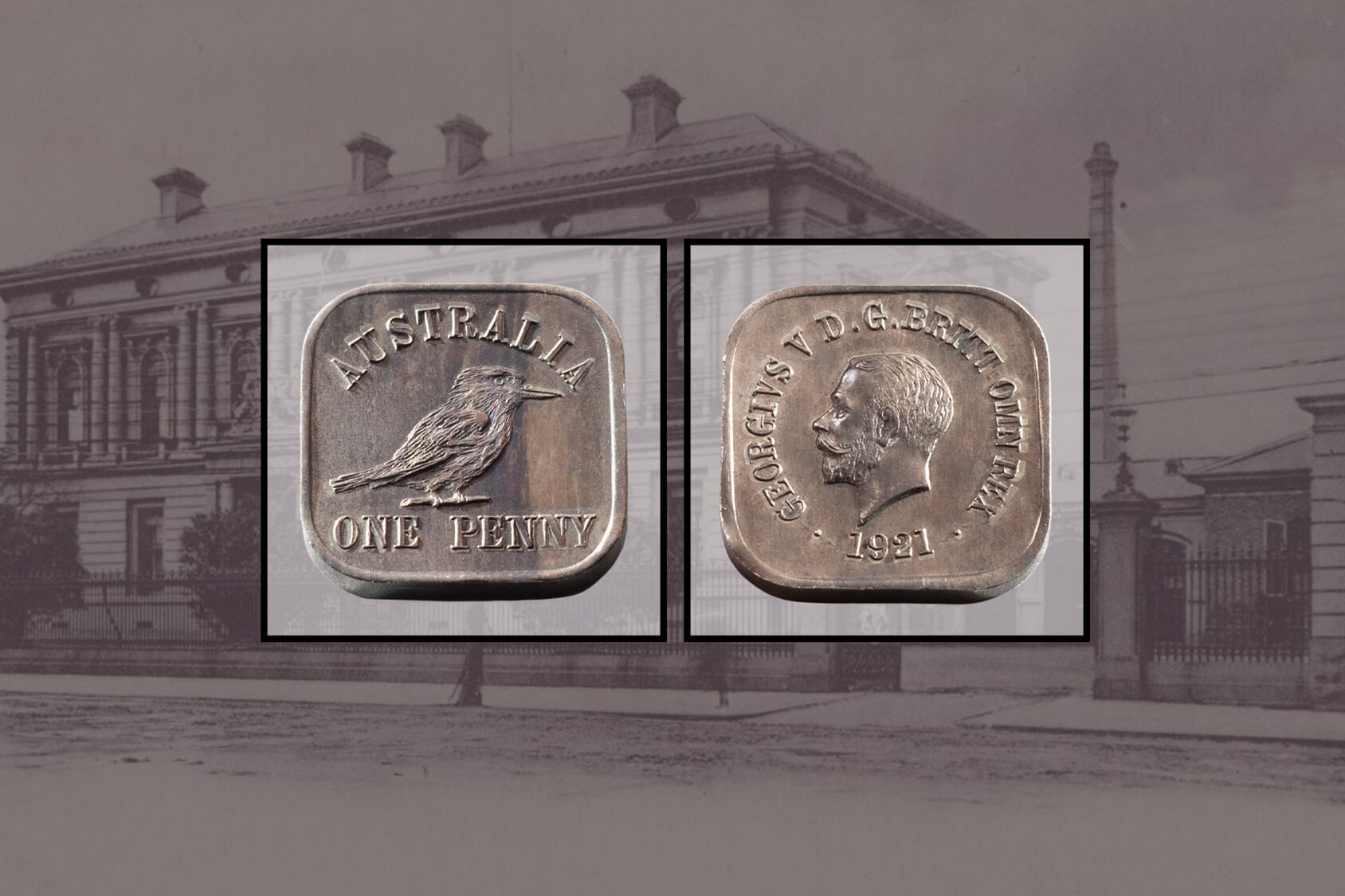
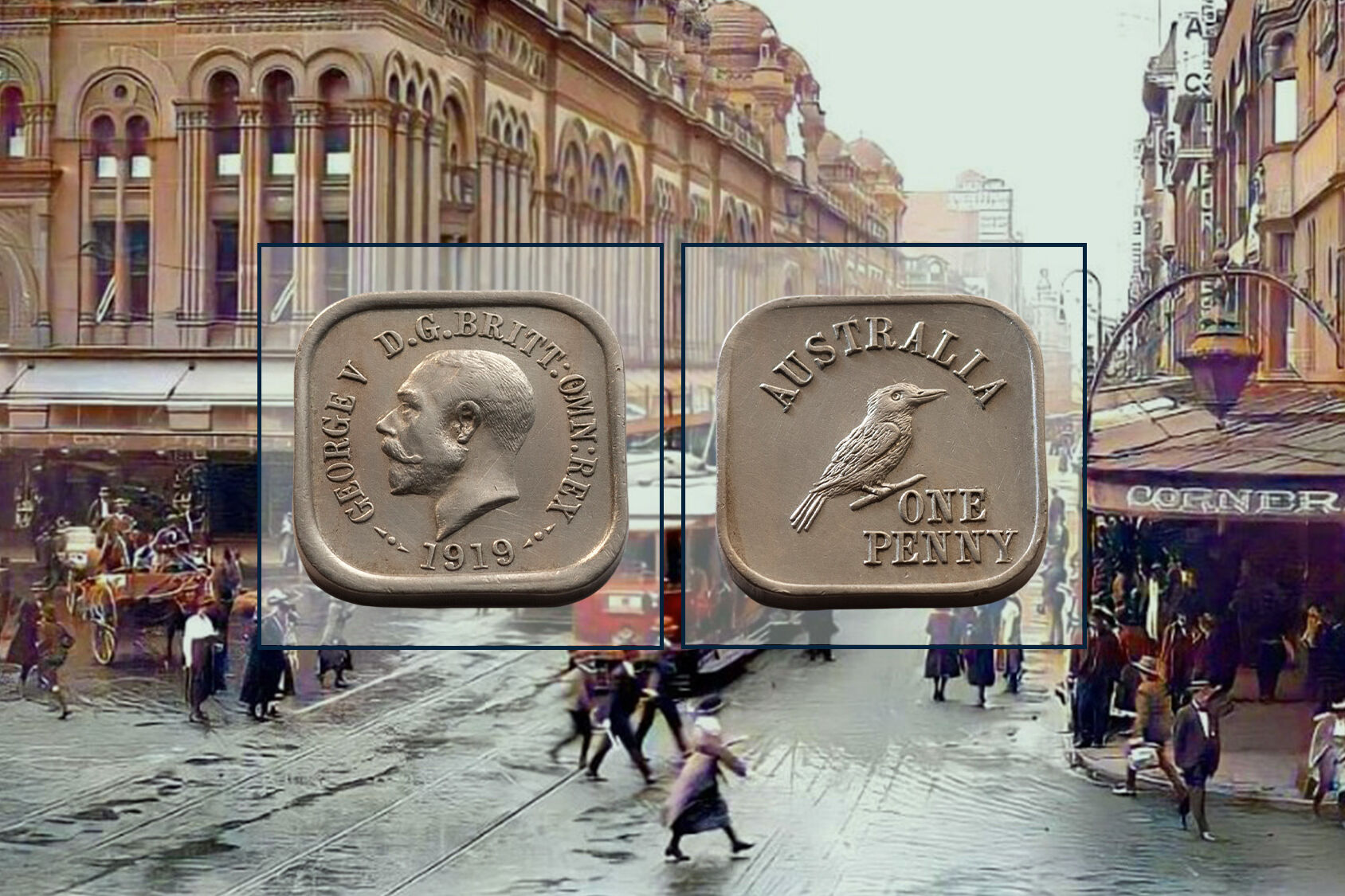
In 1919, the Government put forward a proposal to replace the round 'British-styled' penny and halfpenny in use at the time with completely new Australian coins. Proudly nationalistic, crafted on one side, with a kookaburra sitting on a branch, underneath the word 'AUSTRALIA' and on the other side, a portrait of George V.
Eleven variations of the penny and two of the halfpenny were produced over three years, each a variation on the one kookaburra theme and each variation assigned a numeric design type, Type 1 to Type 13, to make it easy for collectors.
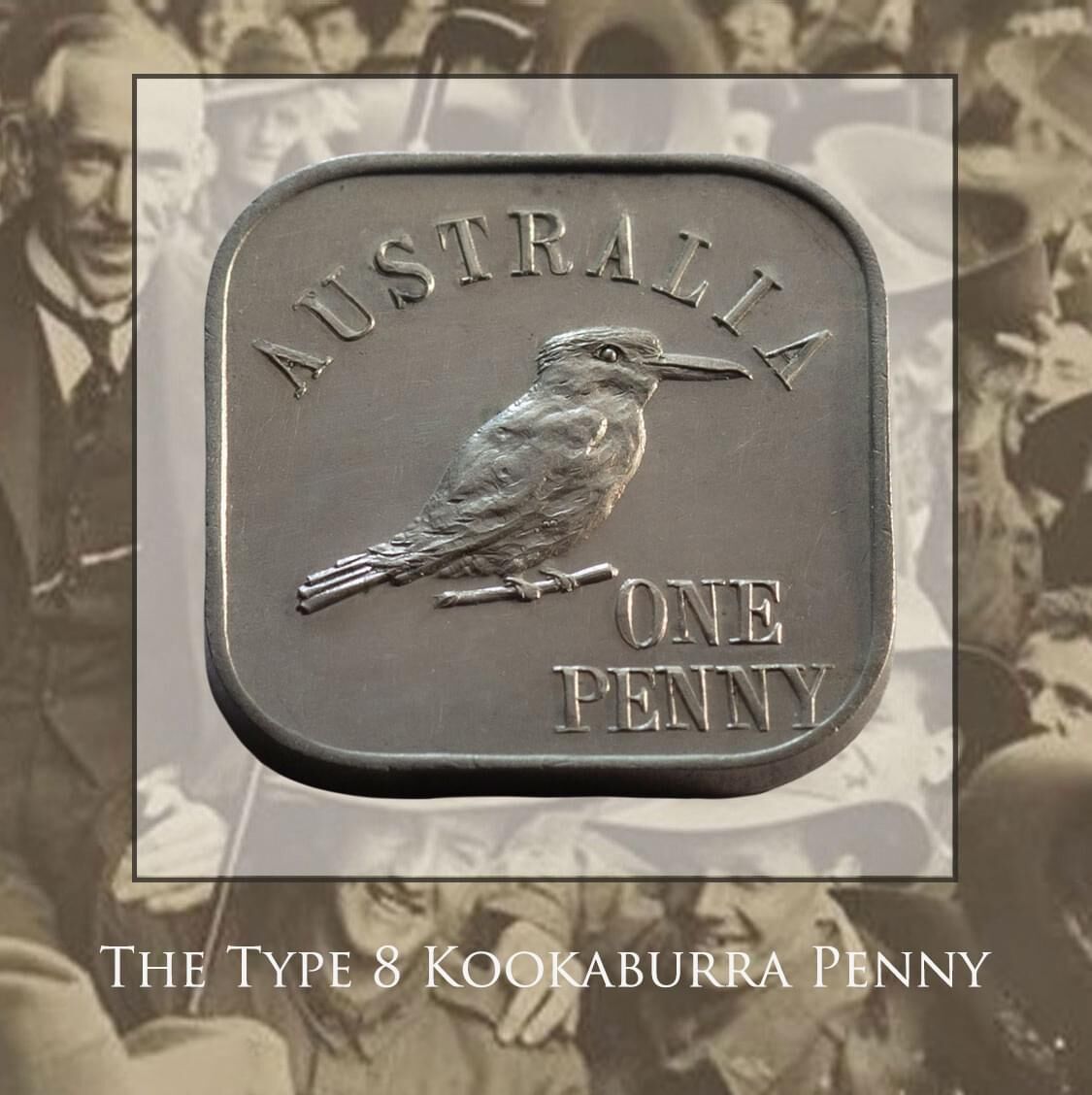
The Type 8 Kookaburra Penny dated 1920, and along with the Type 4 is the rarest of the series. The Type 8 also has a unique kookaburra reverse design.
For collectors, four penny variations were produced in 1920 and they are designated the Type 7, Type 8, Type 9 and Type 10. The design Type 8 Kookaburra Penny has a sculpted kookaburra resting on a distinctively curved branch, a design that is unique to the series. And a sculpted portrait of George V that is unique to the Kookaburra Penny. (The design was replicated on the 1920, Type 1 Halfpenny.) With the exception of the Type 10, which features the monarch wearing a crown, the Type 7, Type 8 and Type 9 show variations in the hair line of George V. The 7 and 9 featuring a central part in the hair, the Type 8 a slightly off-centre side part.
Only two examples have ever appeared at a public auction, the first in 1975, the coin noted as having a significant scratch extending from the kookaburra's tail on the reverse. The same coin was offered at auction again in 1981. The second example appeared in 1993, and sold as part of the Osborne Collection. A Type 8 has not appeared at auction since. An example is incorrectly noted as appearing at auction in November 2003. (The coin was a Type 7.) We have recorded sales of two other examples. This coin, sold as part of the Complete Kookaburra Collection in 2000, having originally come from Barrie Winsor in the mid-1990s. We sold one other example in 2009, now held in a long-term collection.
Navigating the Kookaburra Series, 1919, 1920 & 1921, design type & rarity
In the first year of testing, 1919, the mint worked on only the penny, producing four different designs, designated the Type 3, Type 4, Type 5 and Type 6 Kookaburra Pennies.
Five penny designs were produced in 1920, designated the Type 7, Type 8, Type 9, Type 10. And the Type 13, a previously unknown design that was only discovered during a stocktake in the Museum of Victoria in the 1970s. Hence the out of step numeric sequence. In 1920, the mint expanded its focus and produced a halfpenny. Only one halfpenny design was tested, the Type 1.
The year 1921 was the final year of testing at the Melbourne Mint. Two penny variations on the kookaburra theme were produced in 1921, the Type 11 and the Type 12. And one halfpenny, the Type 2.
The Kookaburra coins, Type 1 to Type 13 were struck in cupro-nickel. Three kookaburra pennies were especially struck in .925 fine Sterling Silver for Albert Le Souef, a passionate collector who also was a Deputy Master of the Melbourne Mint between 1921 and 1926.
His love of silver coinage was the driving force behind the striking of three Square Pennies in Sterling Silver. All were dated 1919, the first struck depicting the Type 4 design. A second depicting the Type 5 and the third, the Type 6. Each coin is unique. And each is stunning. You would be forgiven for thinking they were struck to proof quality.
The program of testing did not move forward beyond 1921. And the coins did not move into production. It is believed that over the three-year period two hundred pieces, of various designs, were produced, of which we estimate, one hundred and fifty are available to collectors.
The best thing for collectors is that the one hundred and fifty kookaburra coins do not bear the same design. The Melbourne Mint tested many different styles of both obverse and reverse introducing enormous interest, personal choice and procurement challenges into the series. And each style has a different rarity rating.
The table below shows the design type and rarity of each of the Types 1 to 13, the sterling silver kookaburra penny variations. Photographs of each design type are shown in the panels below.
Click on each icon to discover more about these post-war treasures, including enlarged obverse and reverse photographs & design information.
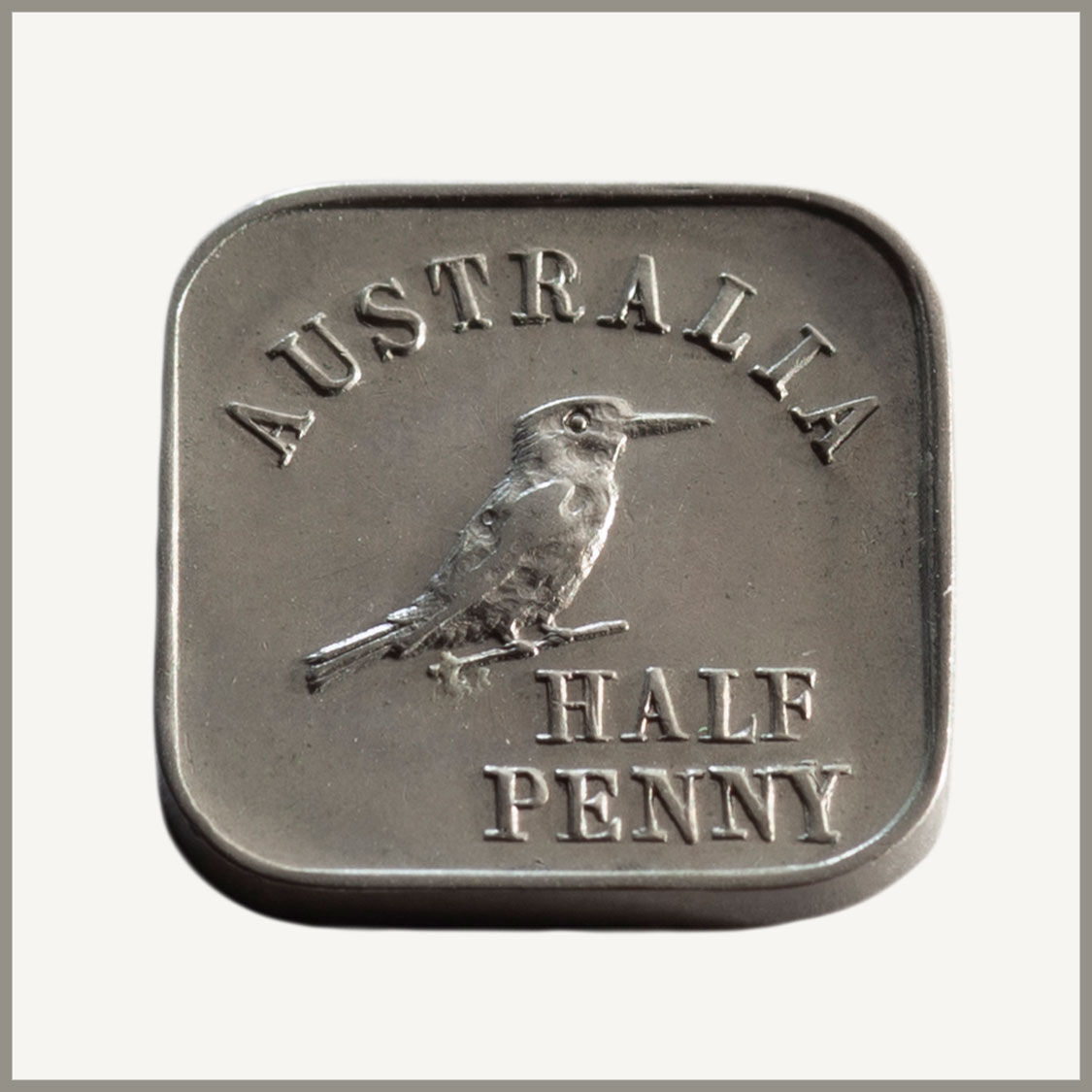
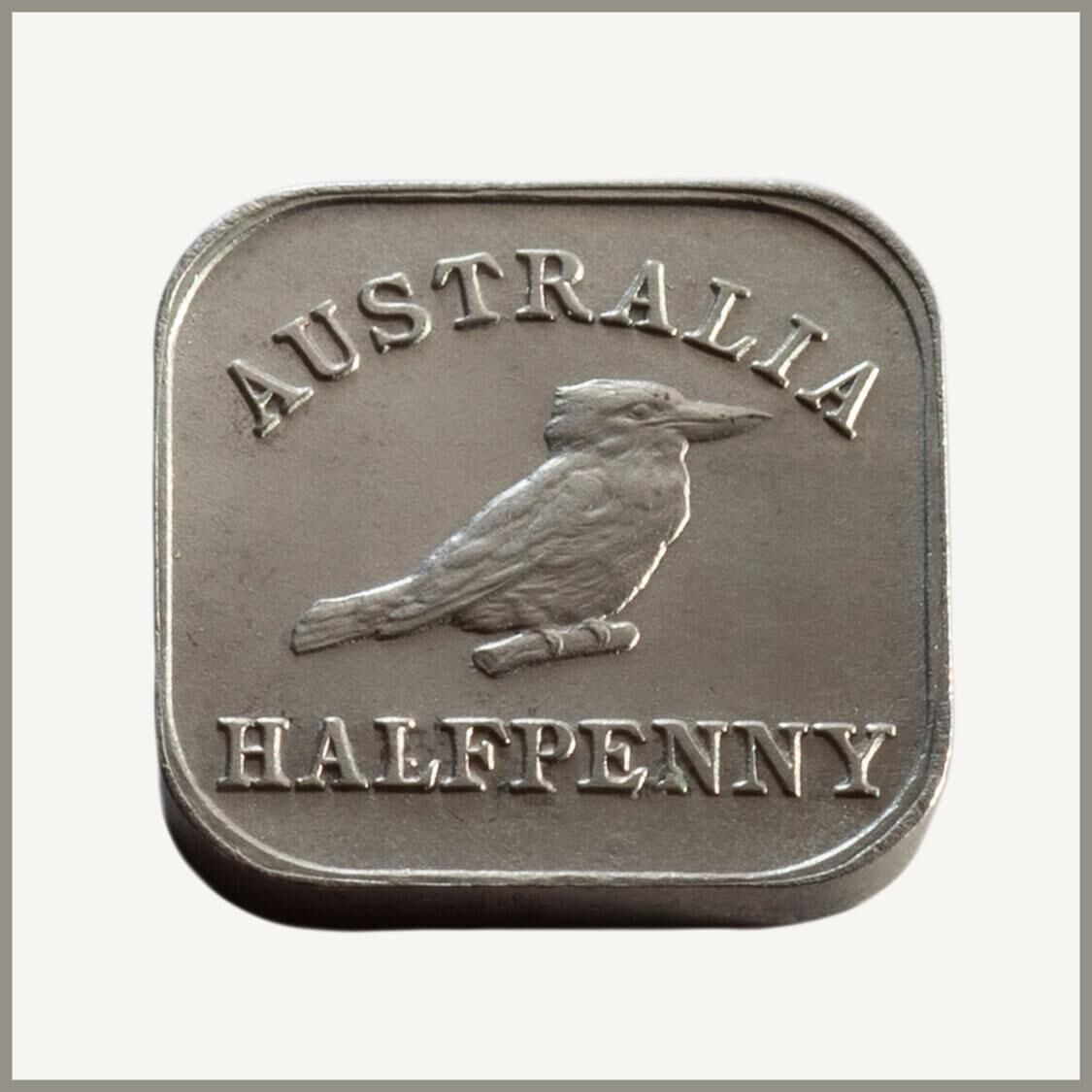
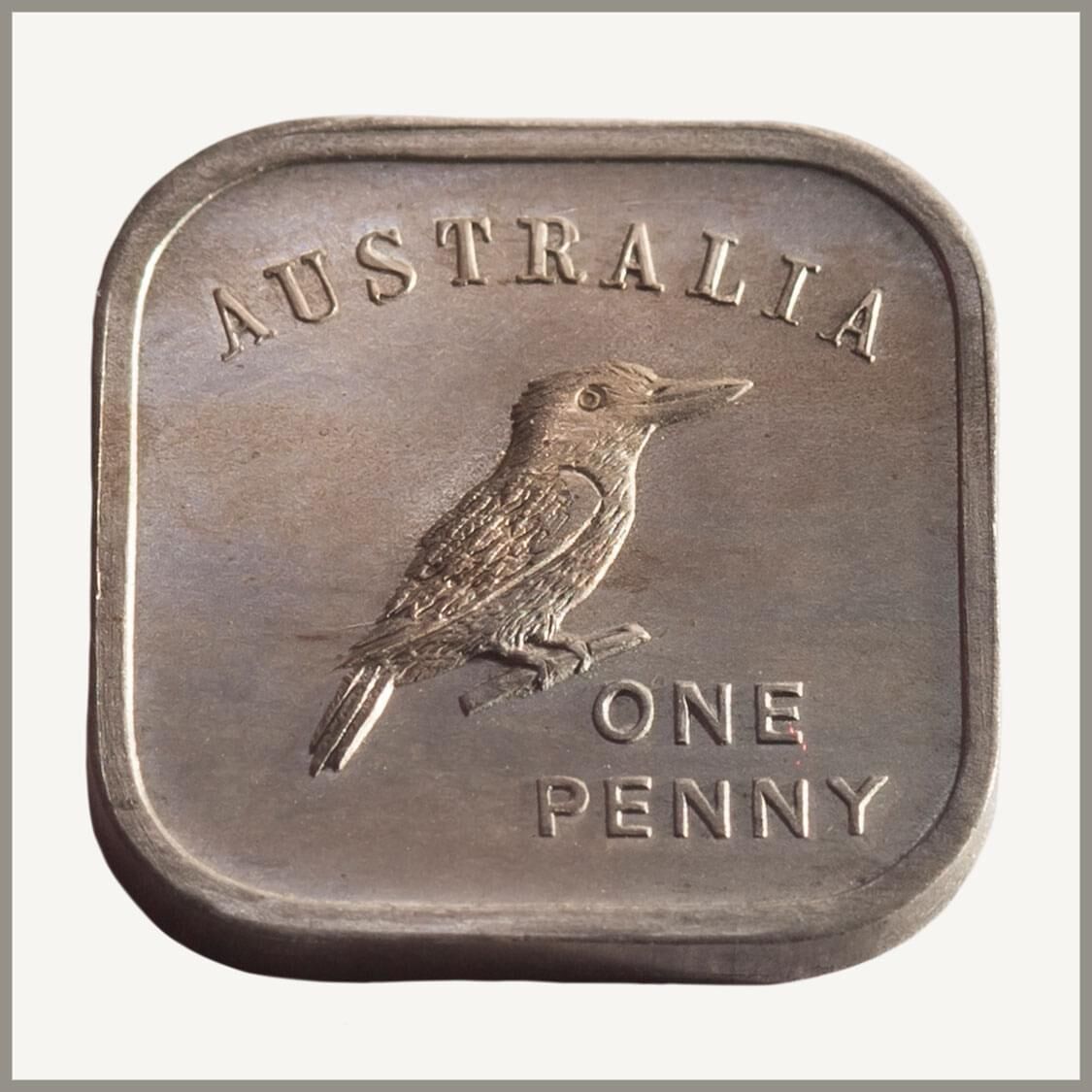
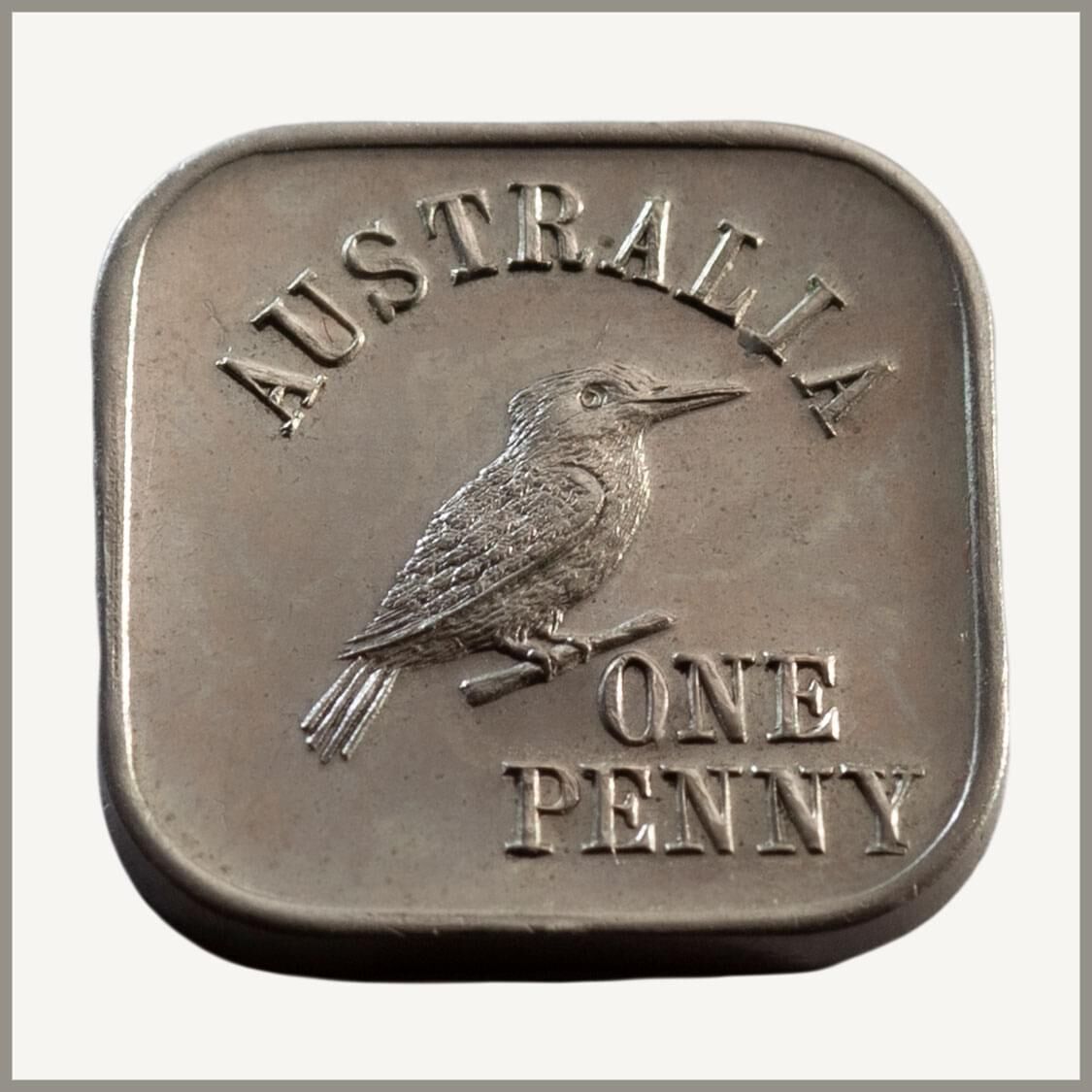
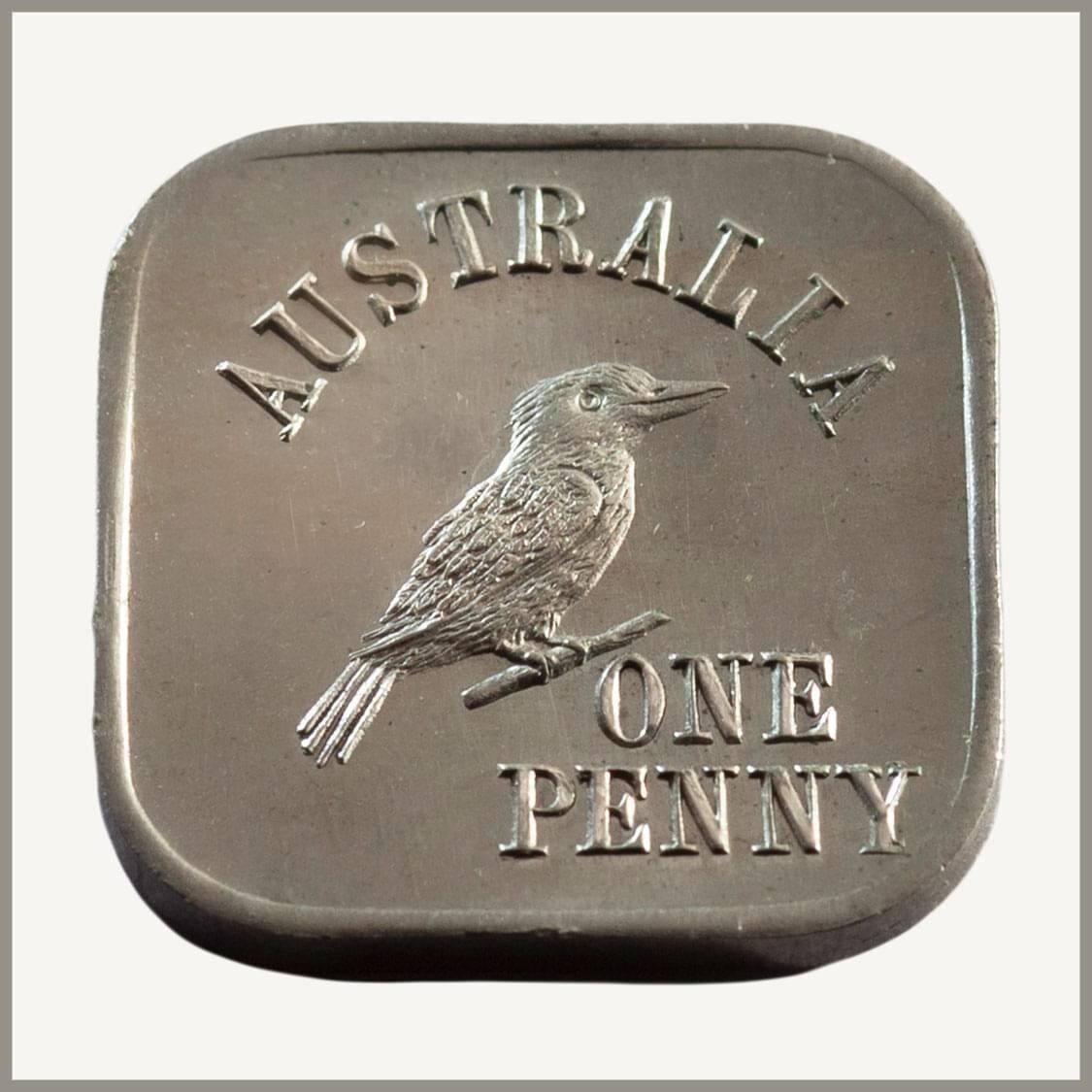
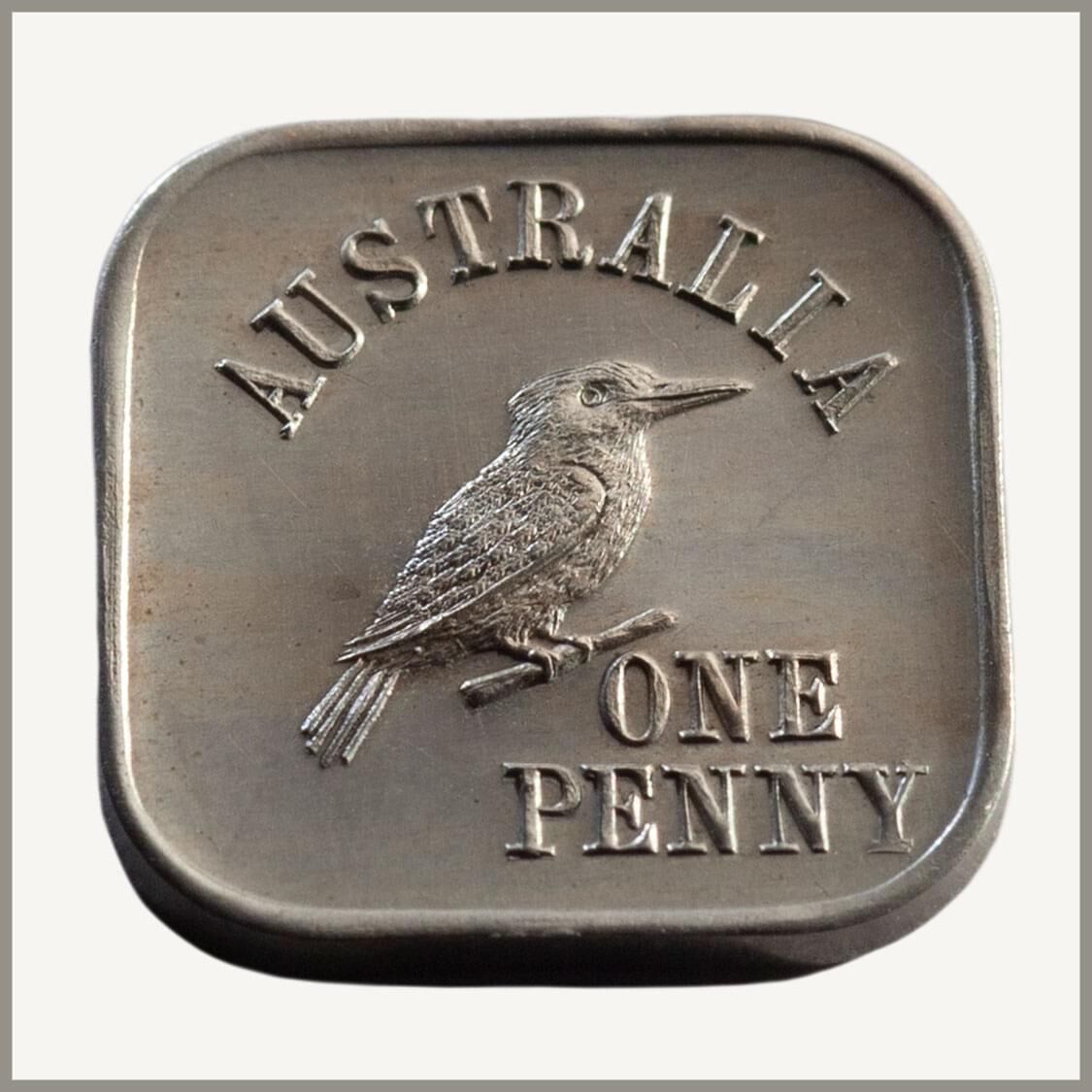
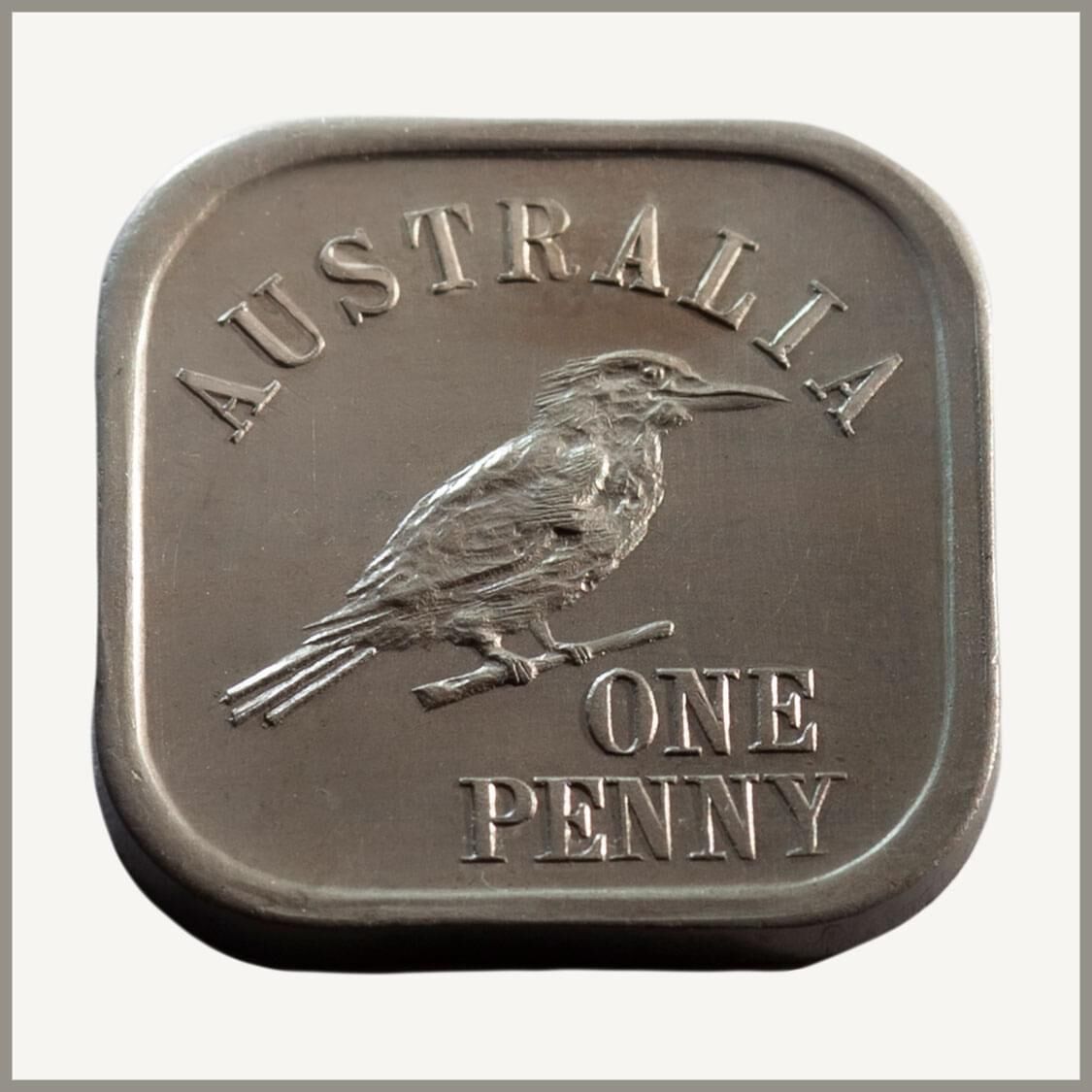
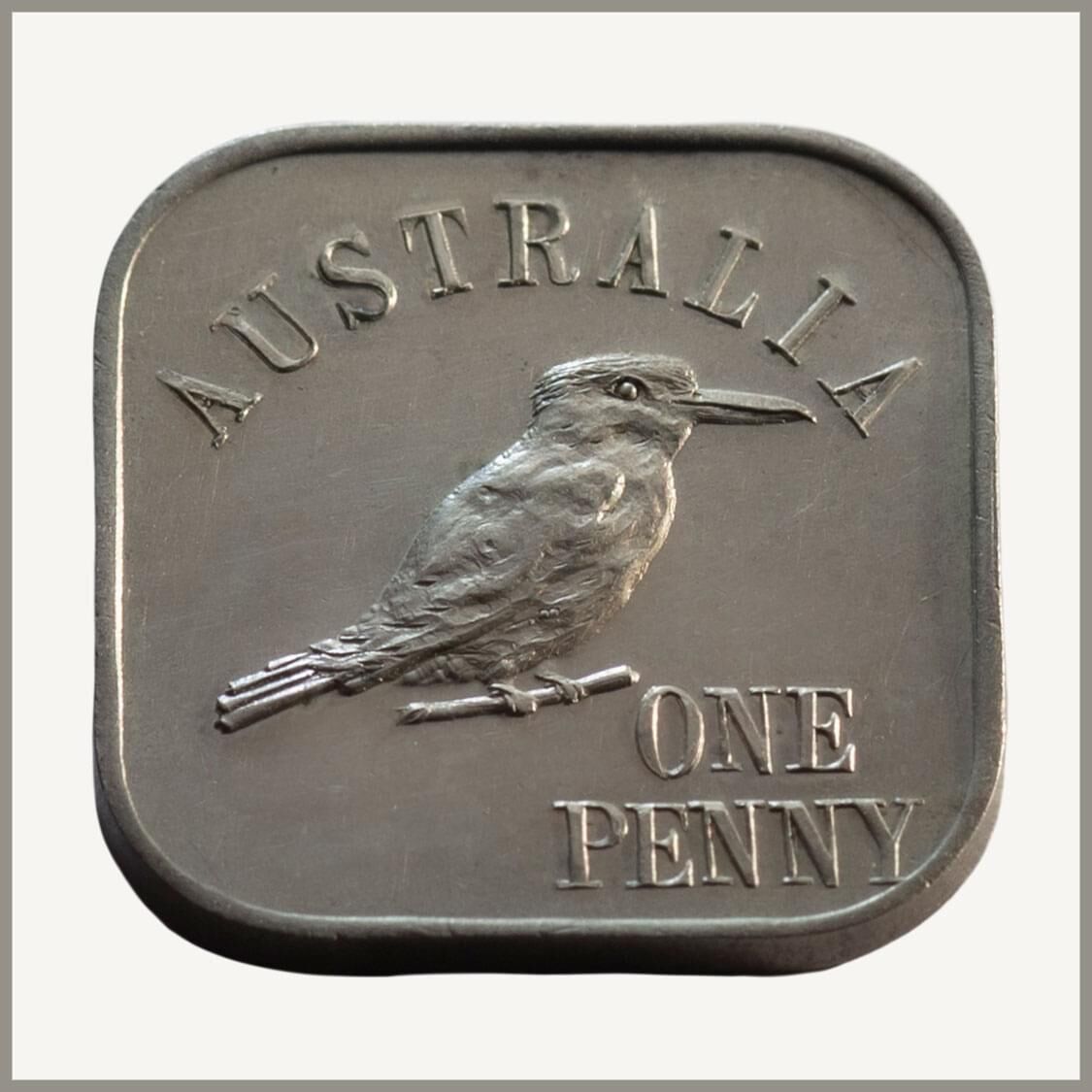
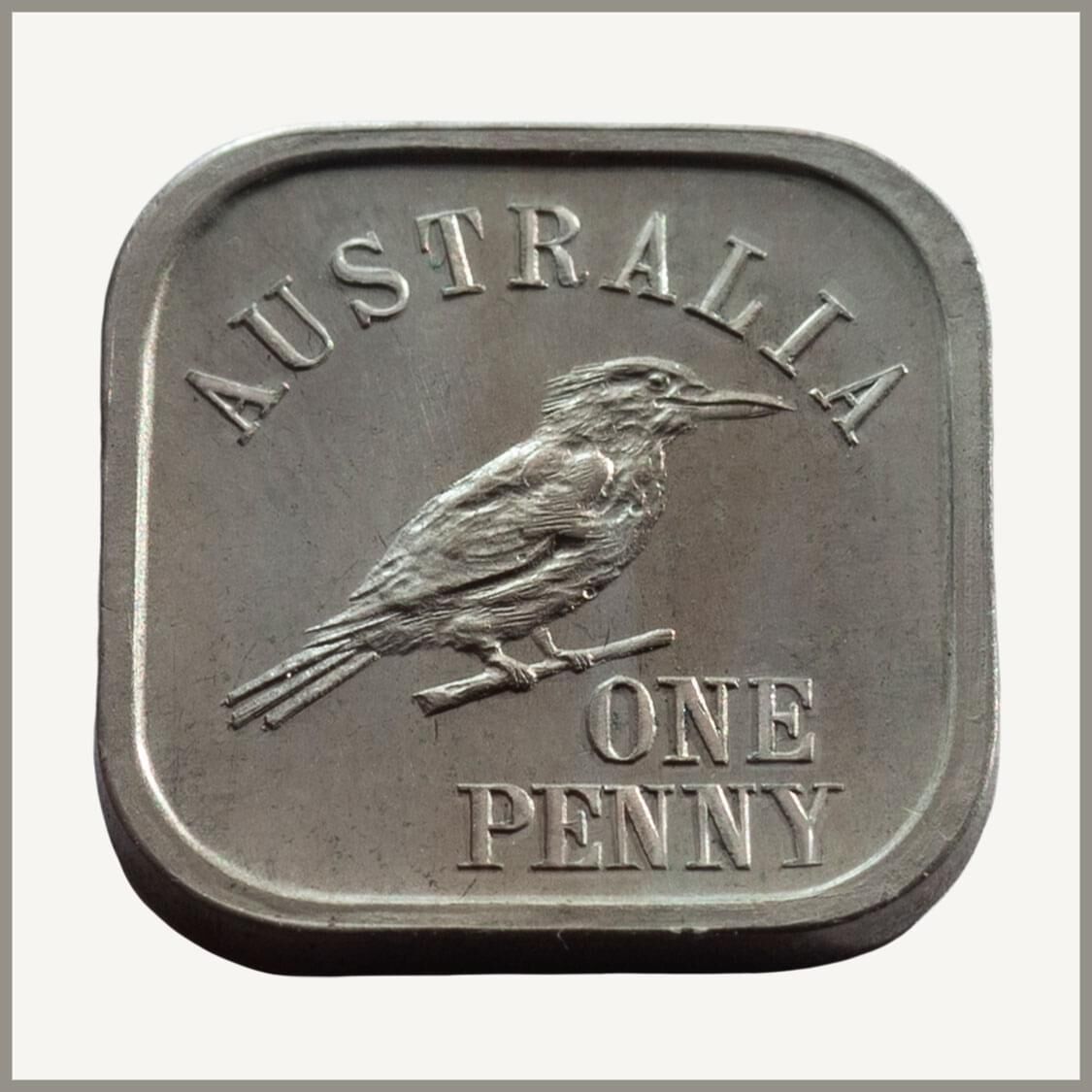
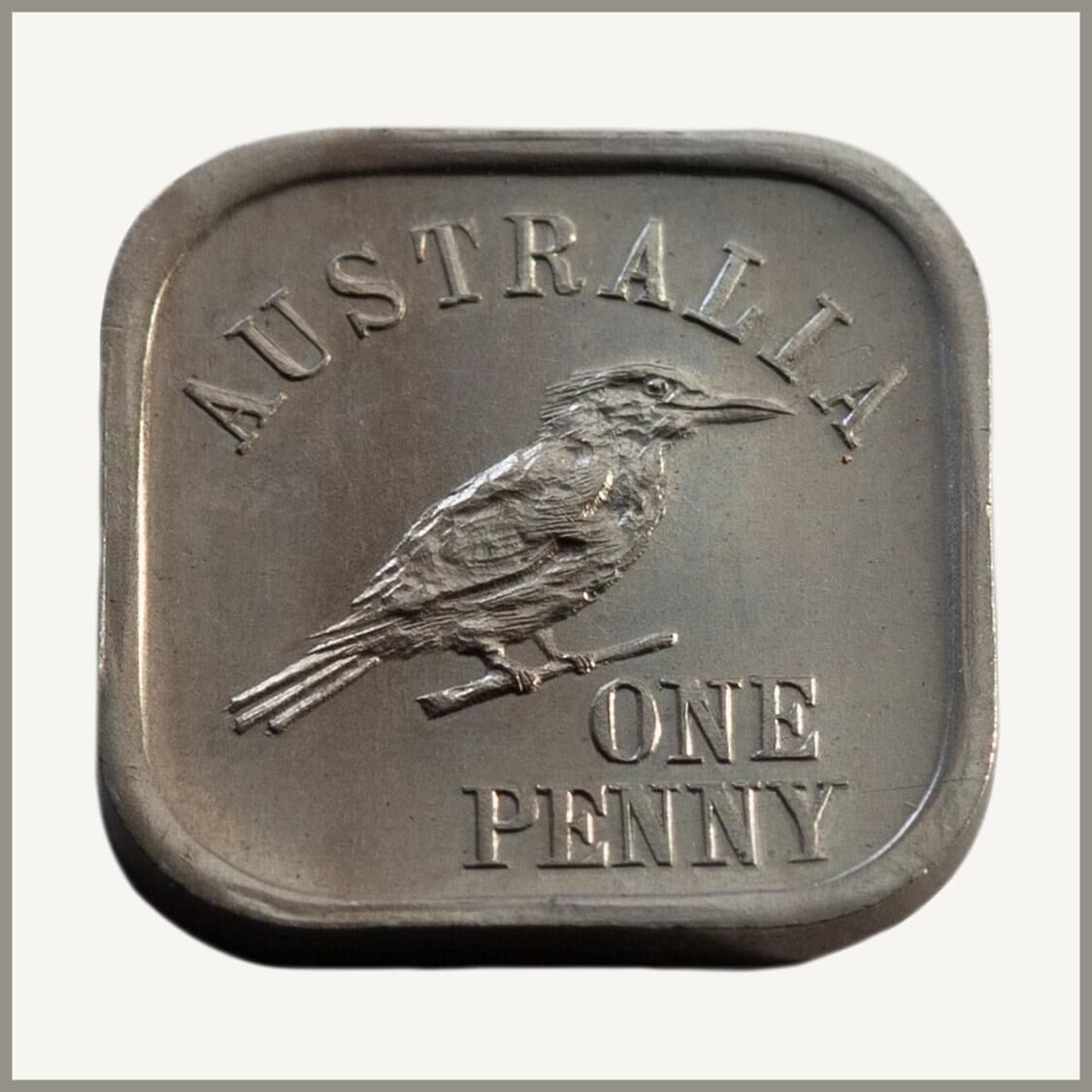
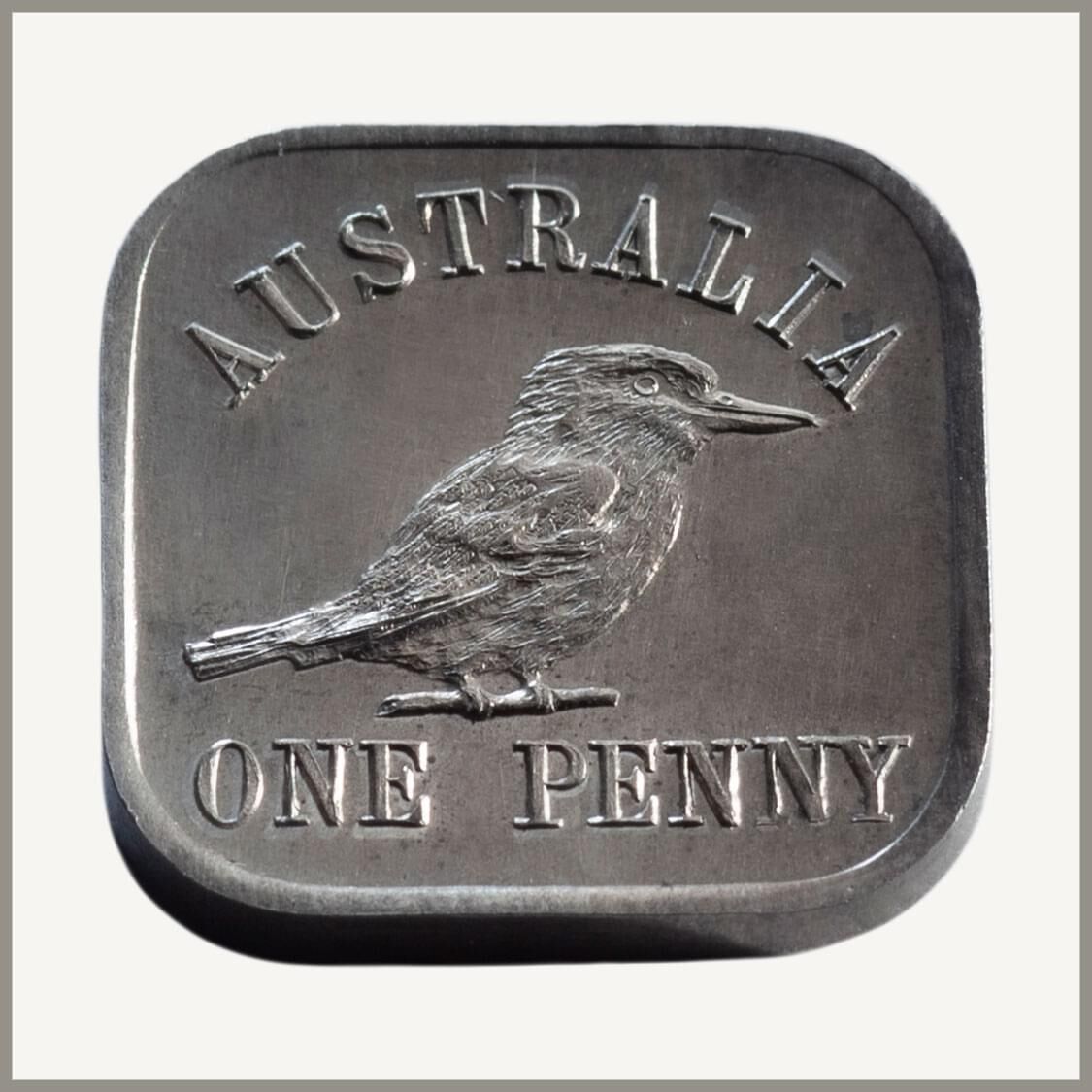
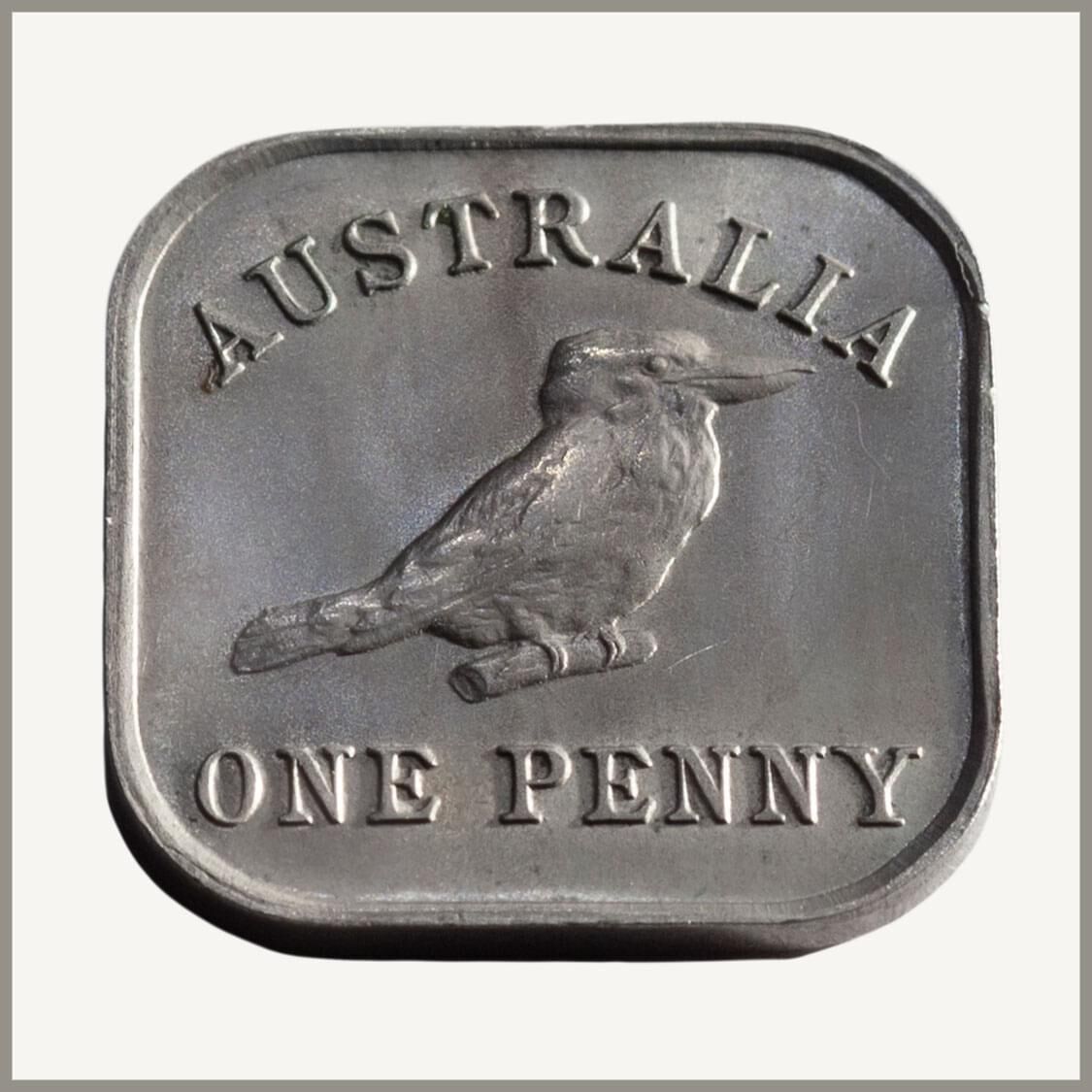
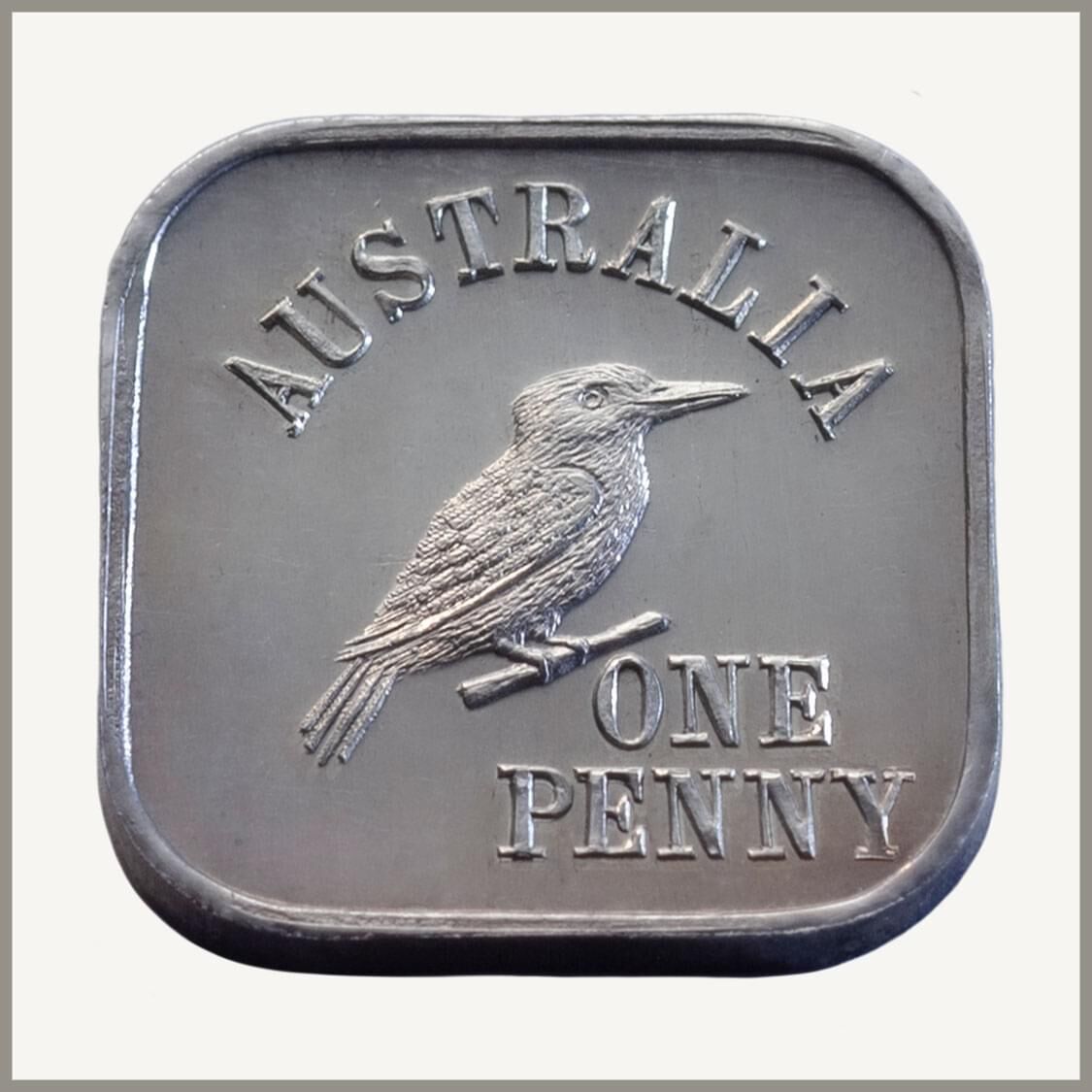
Click on each icon to discover more about these post-war treasures, including enlarged obverse and reverse photographs & design information.
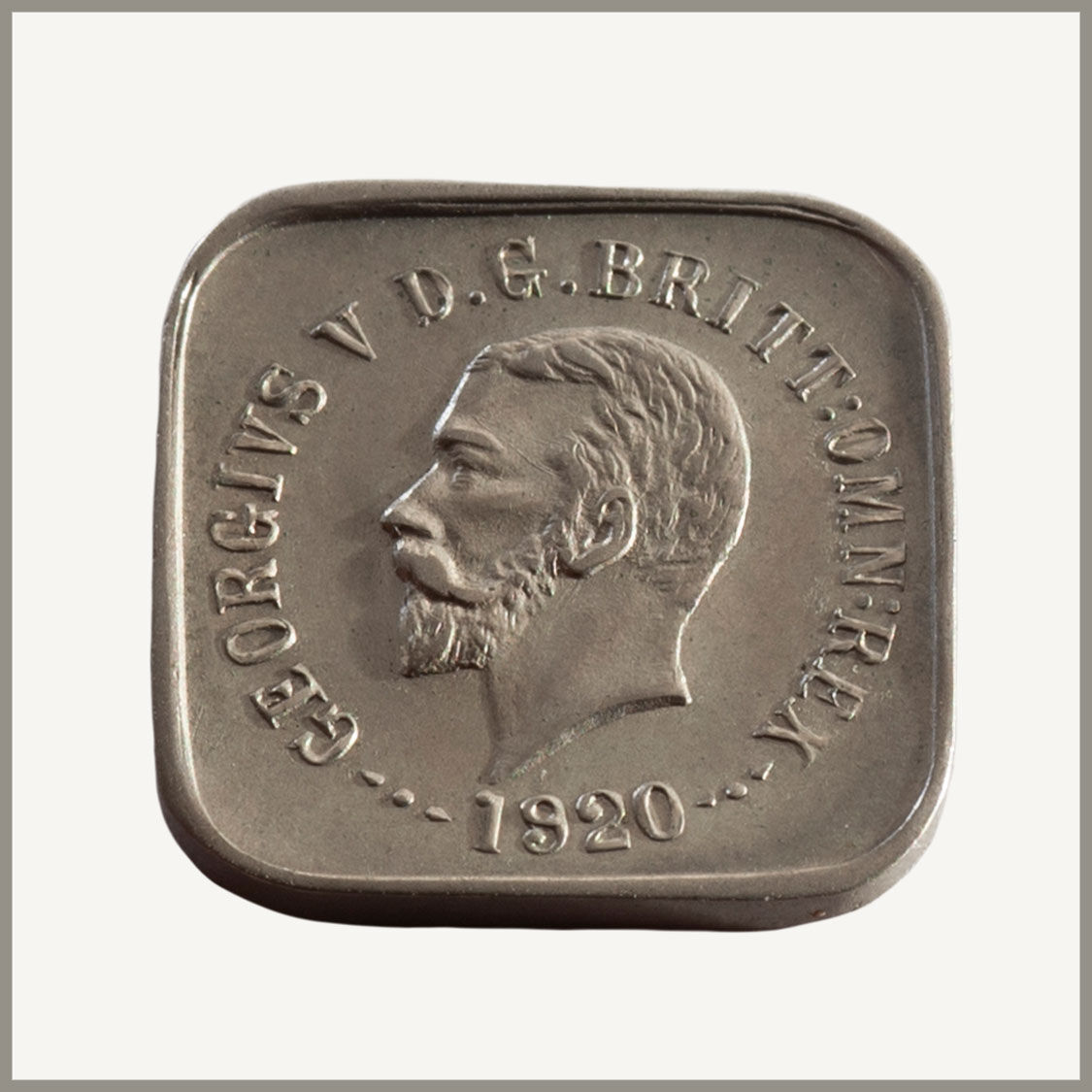
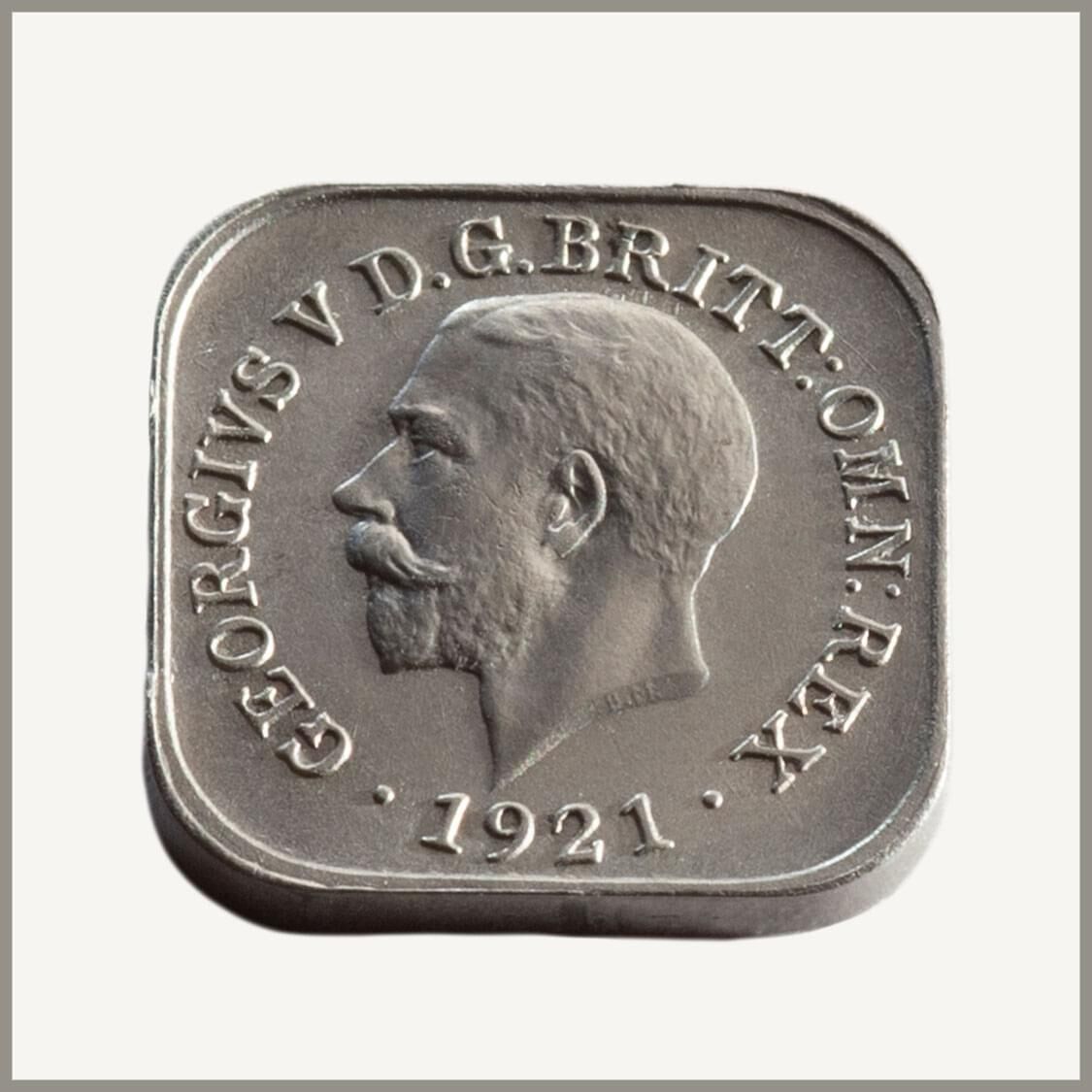
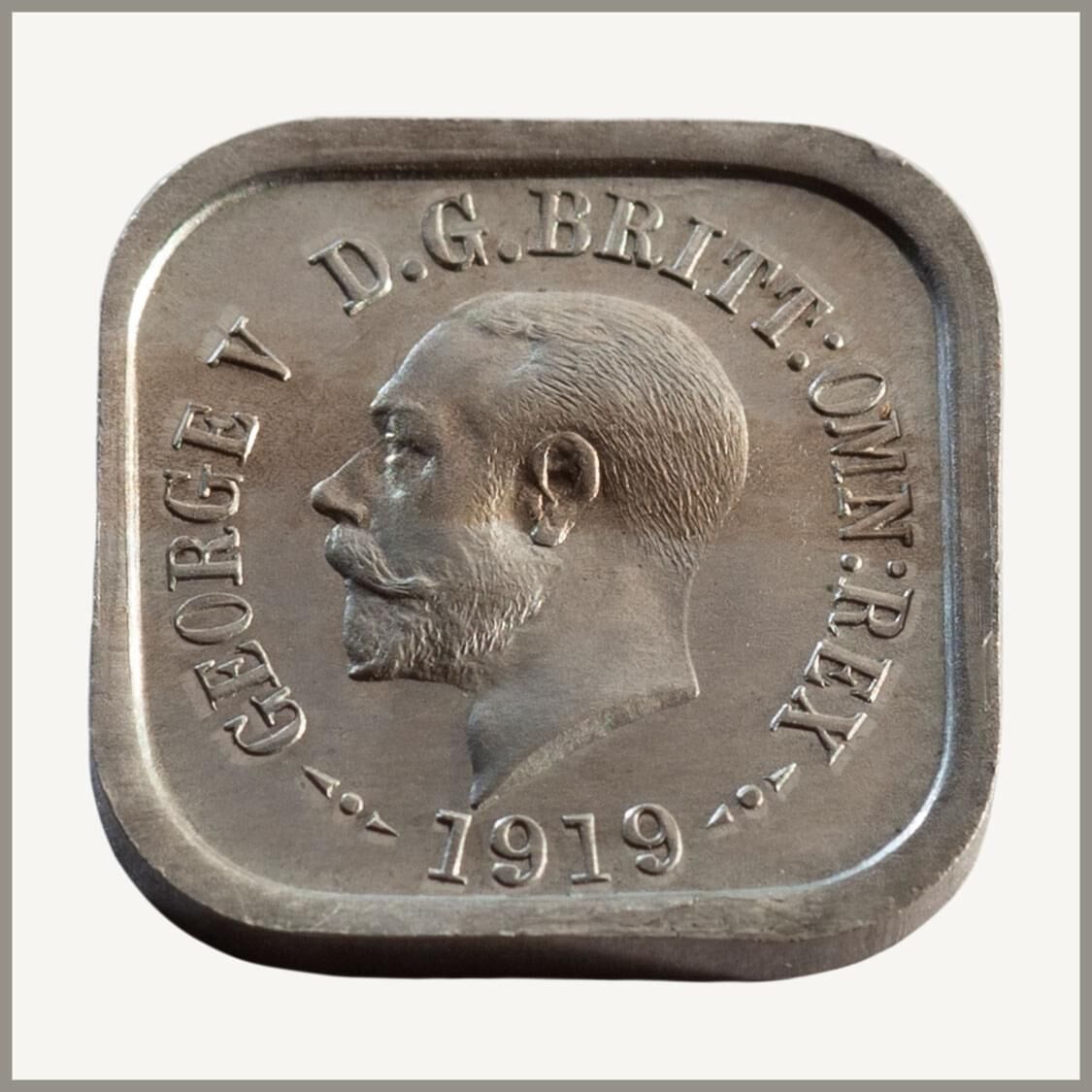
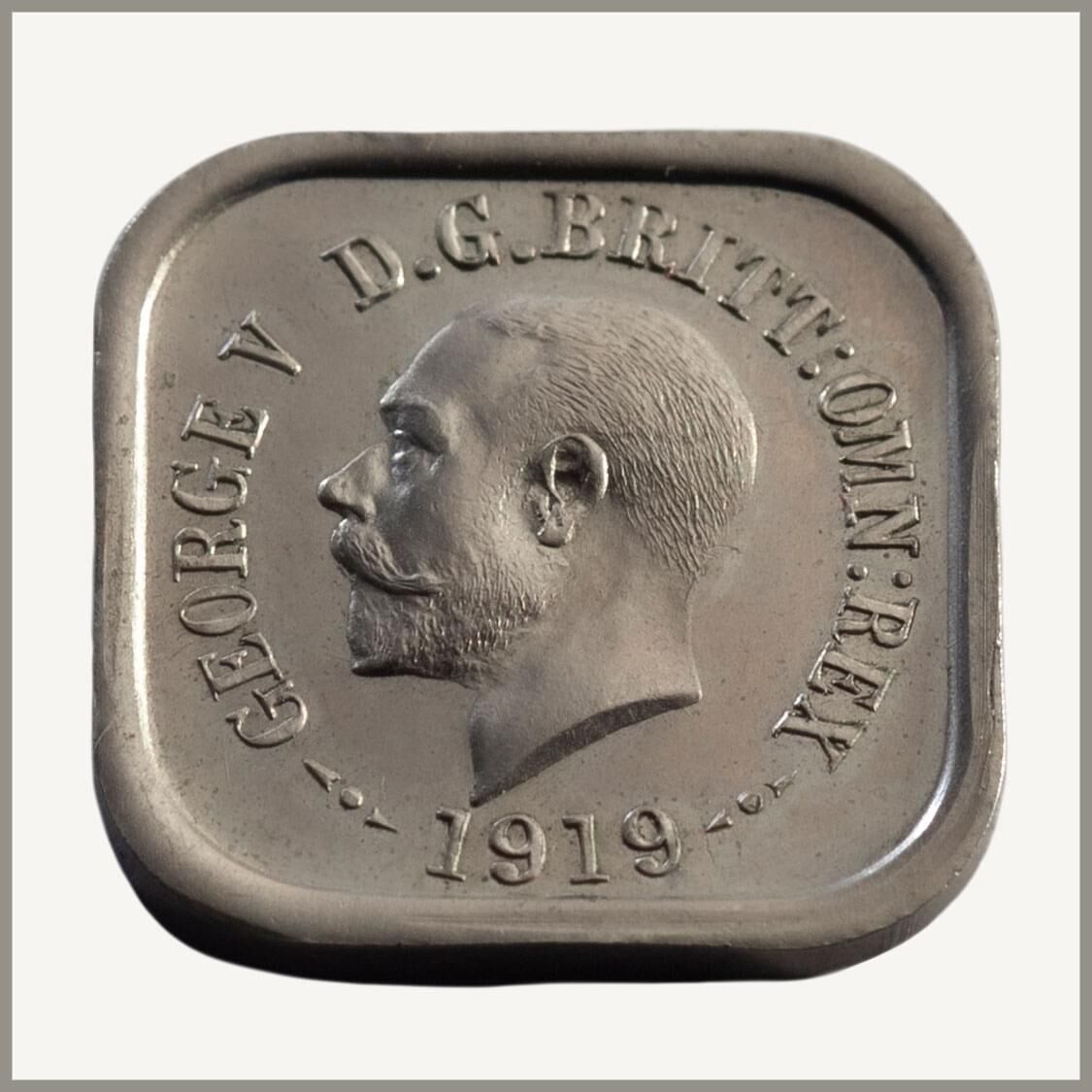
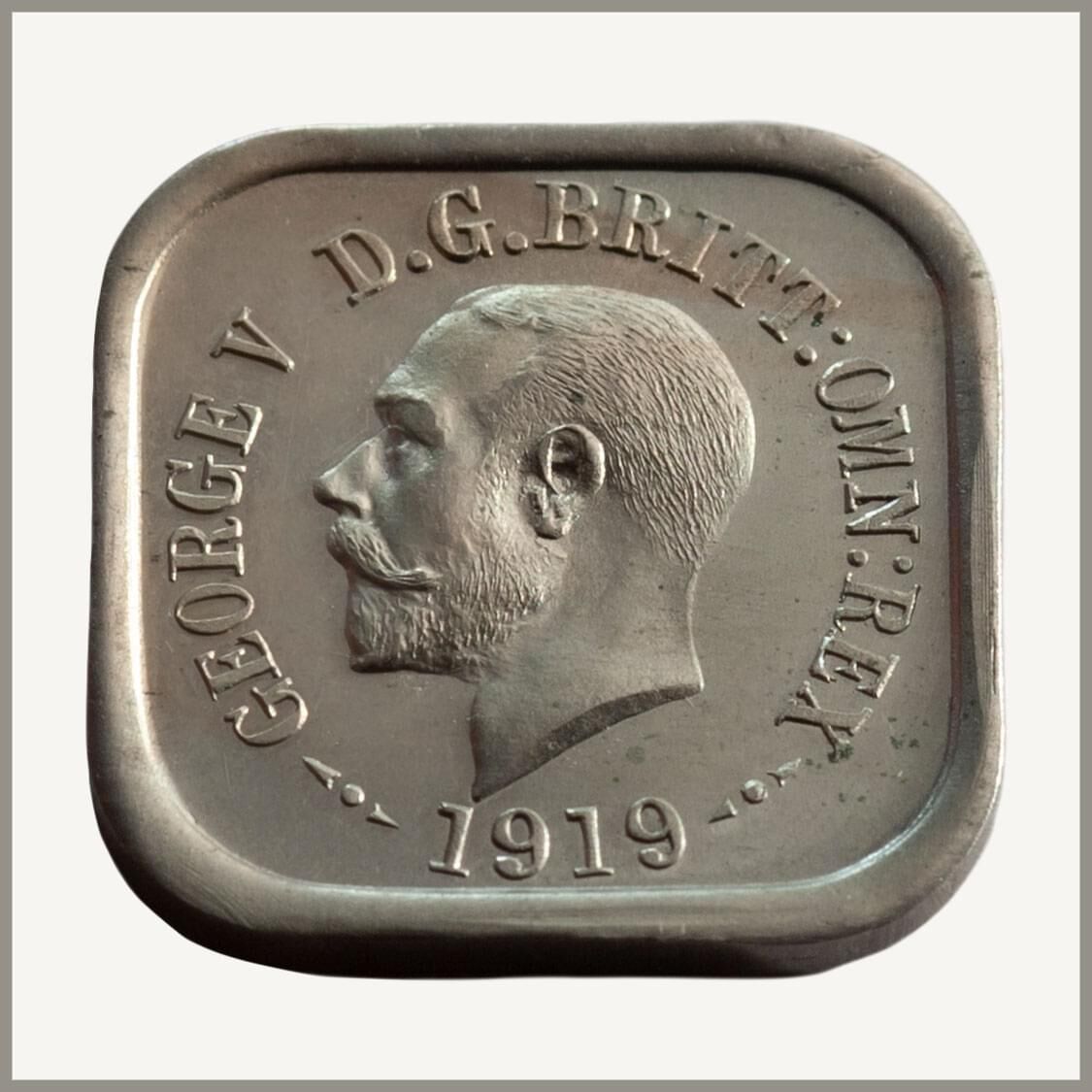
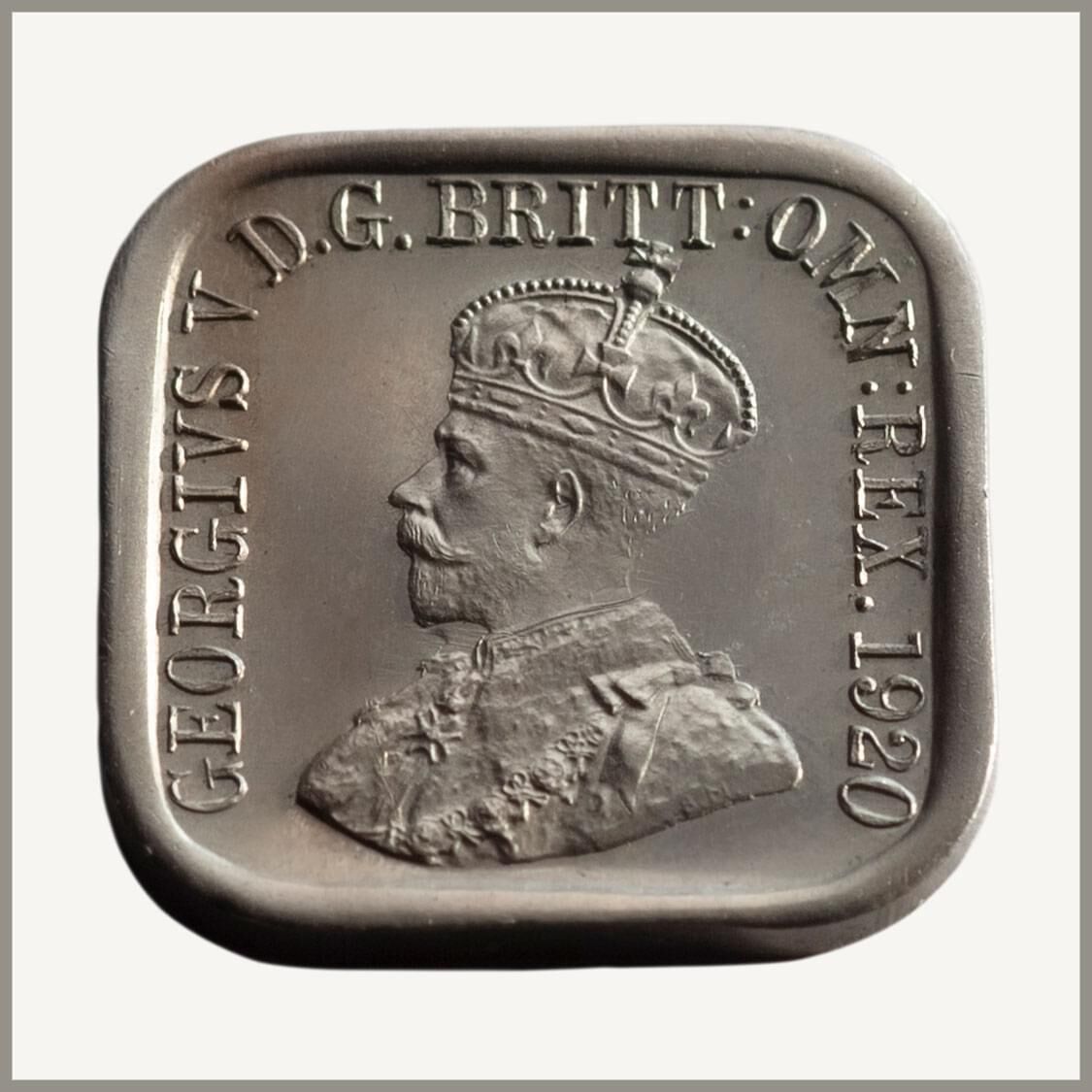
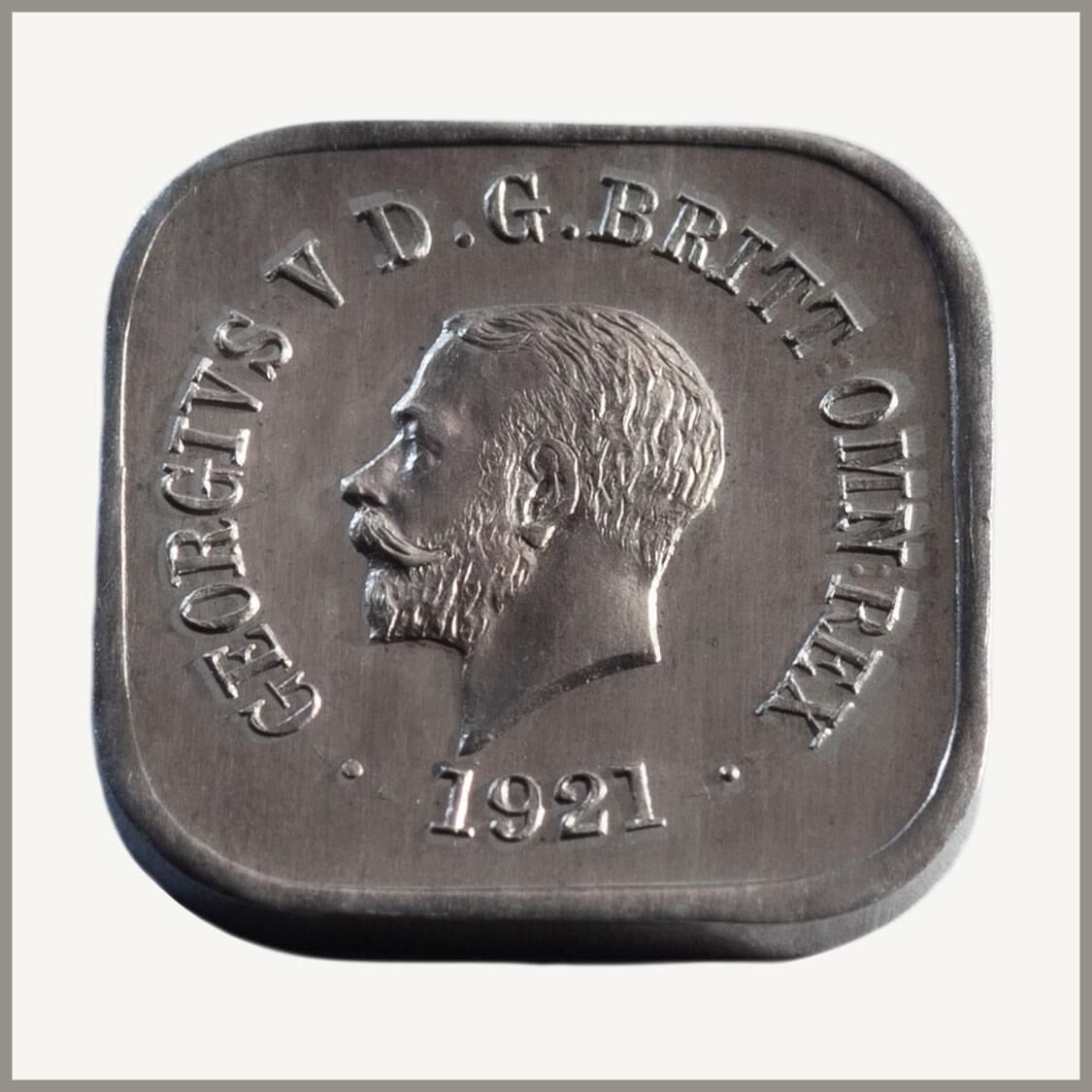
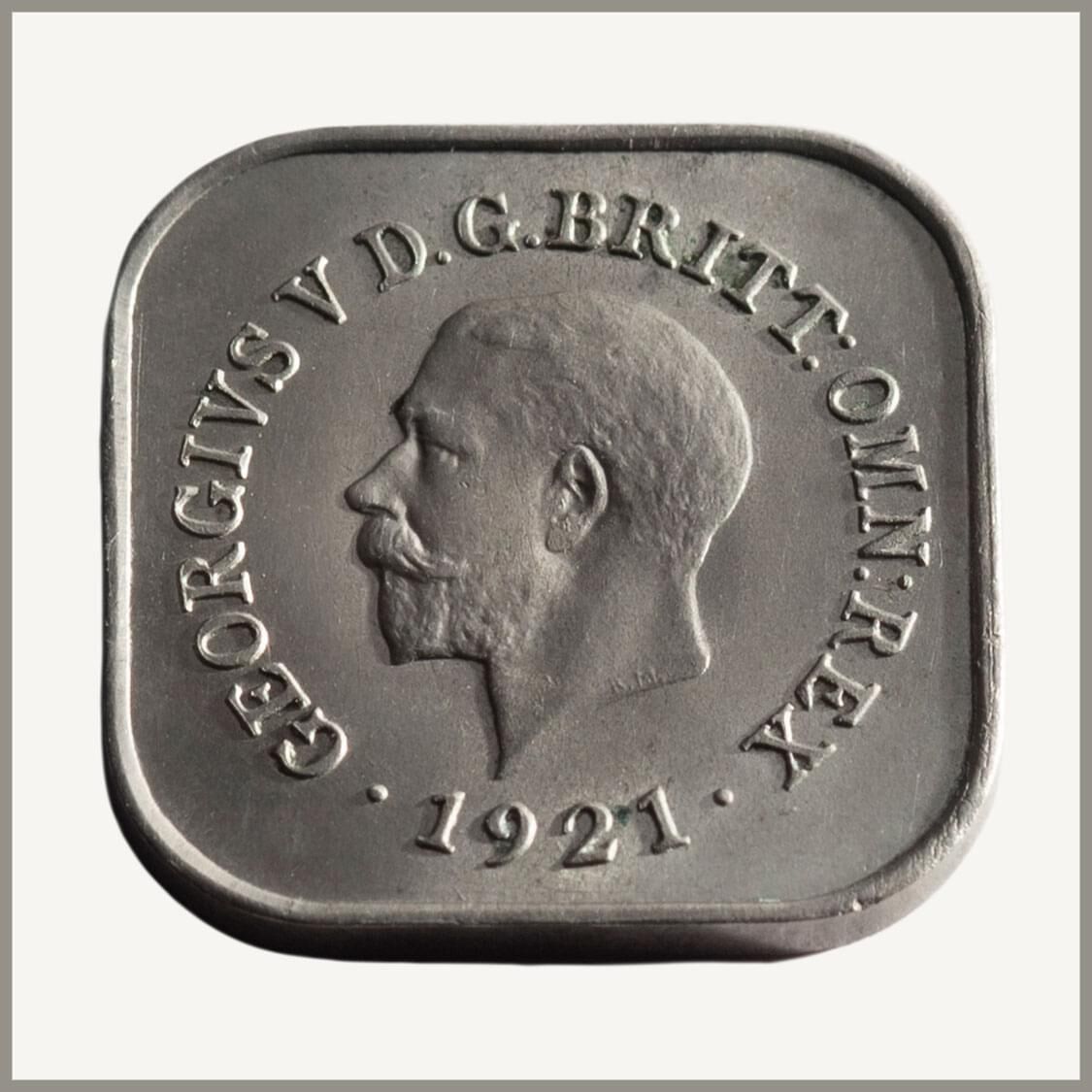
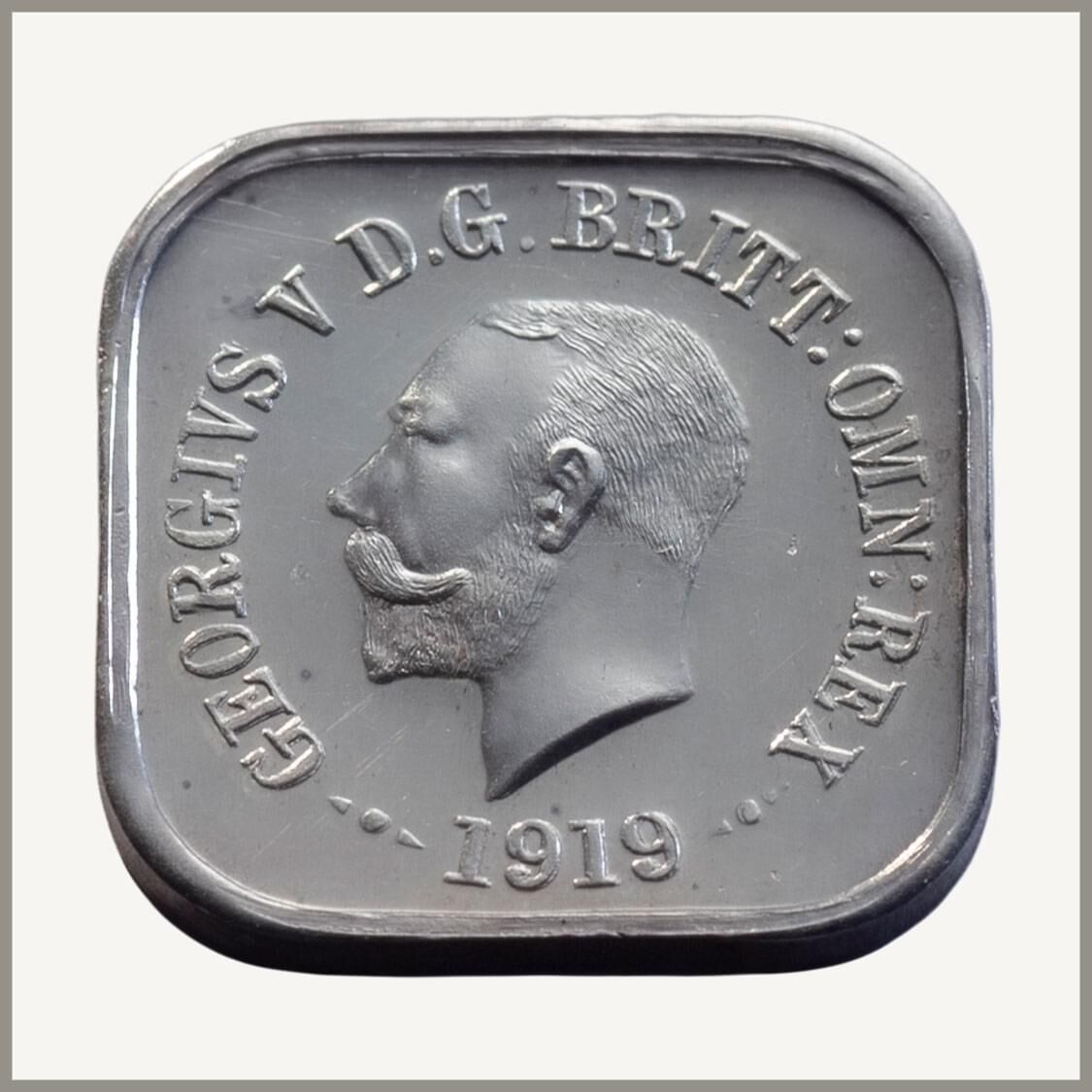
Available inventory of the Kookaburra coins.
It is a statement of fact that a Kookaburra Square Penny and a Kookaburra Square Halfpenny with minor toning and beautiful surfaces is a joy to behold. And a prized classic Australian coin rarity.
We have never met a collector that hasn’t enjoyed owning a Kookaburra square coin. They are engaging. They are prestigious. And they are the spirit of Australia.
Complete Collection of thirteen kookaburra pennies and halfpennies, an achievement that had never been done before. And has never been done since - click here
1920 Type 7 - click here
1921 Type 11 - click here
1921 Type 12 - click here
Highlights of Coinworks Inventory

© Copyright: Coinworks