1921 Kookaburra Penny, design type 11

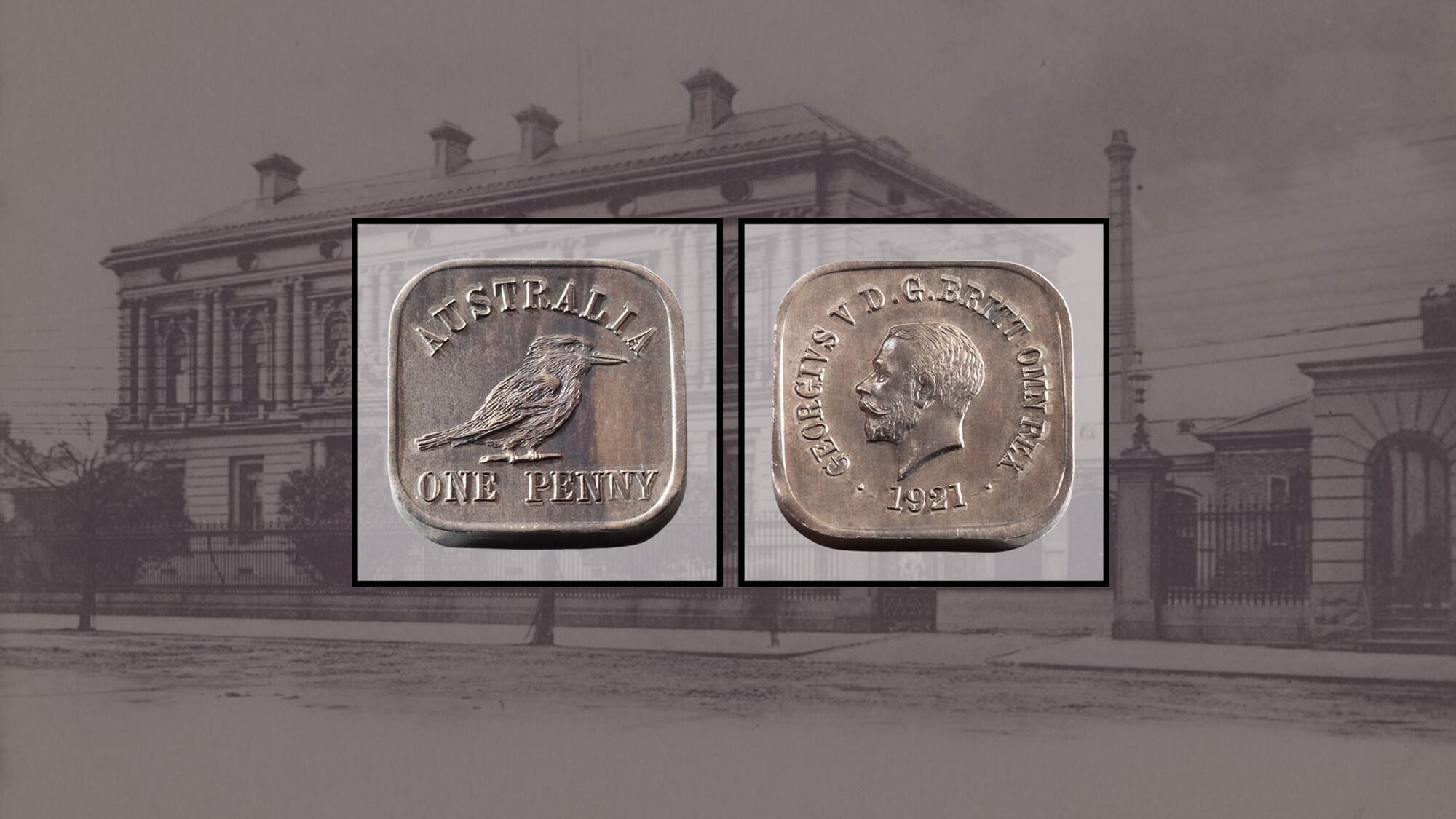
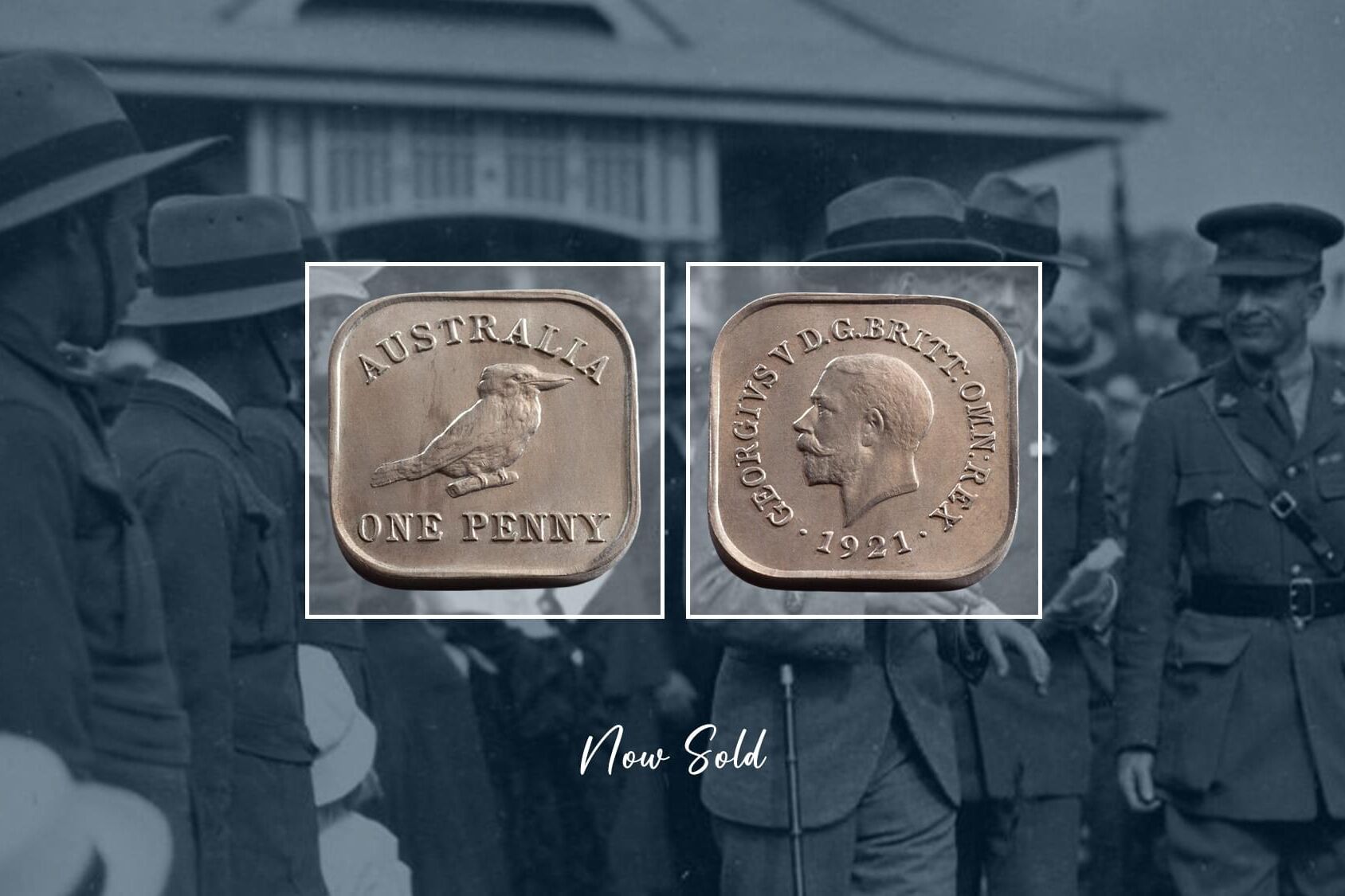
The year 1921 is the final year of the kookaburra series and hosts two design types, the Type 11 and the Type 12. This coin is the design type 11.
The 1921 Kookaburra Penny struck with the design type 11 has distinctive qualities that set it apart from those struck with the design type 12. And that set it apart from all other kookaburra designs.
The 'type 11s' have glorious, brilliant proof-like mirror surfaces. And they tone, uniformly, generally to a brown/golden hue. The design is highly detailed and both obverse and reverse are unique to the type 11. No other penny shares the same design. And they are rarer than the Type 12, the Type 11 appearing once annually, the Type 12 offered perhaps every six months.
The availability of the Type 11, and its affordability, makes it a very popular choice for buyers to enter the Kookaburra series.
Rarity - one of an estimated twenty to twenty-five known. Statistically, a Type 11 Kookaburra Penny would be offered annually.
Composition - Nickel 75% Copper 25%
Reverse - A kookaburra that is unique to the Type 11, designed by Australian artist Douglas Richardson. The kookaburra is large, the eye struck incuse, the tail with four feathers. The branch is low. The words ONE PENNY are featured in one line across the base of the coin.
Obverse - Uncrowned effigy of George V, portrait prepared by Australian artist, Douglas Richardson, the hair an off-centre part, softer facial features and the top of the head noticeably flatter. The circular legend reads GEORGIVS D. G. BRITT: OMN:REX, the date '1921' appearing below the portrait, separated from the legend by ornamental dots. The obverse is unique to the Type 11.
The year 1921 hosts two design types, the Type 11 and the Type 12. The coins are the most available in the series and this is not a criticism, simply a statement of fact. Both coins are scarce and relative to other Australian coin rarities are infrequently offered. (The Type 11 offered once each year.)
A market is created when buyers and sellers interact, driven by a mutual interest in exchanging goods. This interaction establishes a price based on supply and demand. A market can't exist without supply and it is the Type 11 and the Type 12 that creates the market for the Kookaburra coins and sustains and excites buyer interest in the series. If every coin in the kookaburra series had the rarity of the Type 4, with only four known and offered once a decade, you simply wouldn't have a vigorous market.
The availability of the Type 11, and its affordability, makes it a very popular choice for buyers to enter the Kookaburra series.
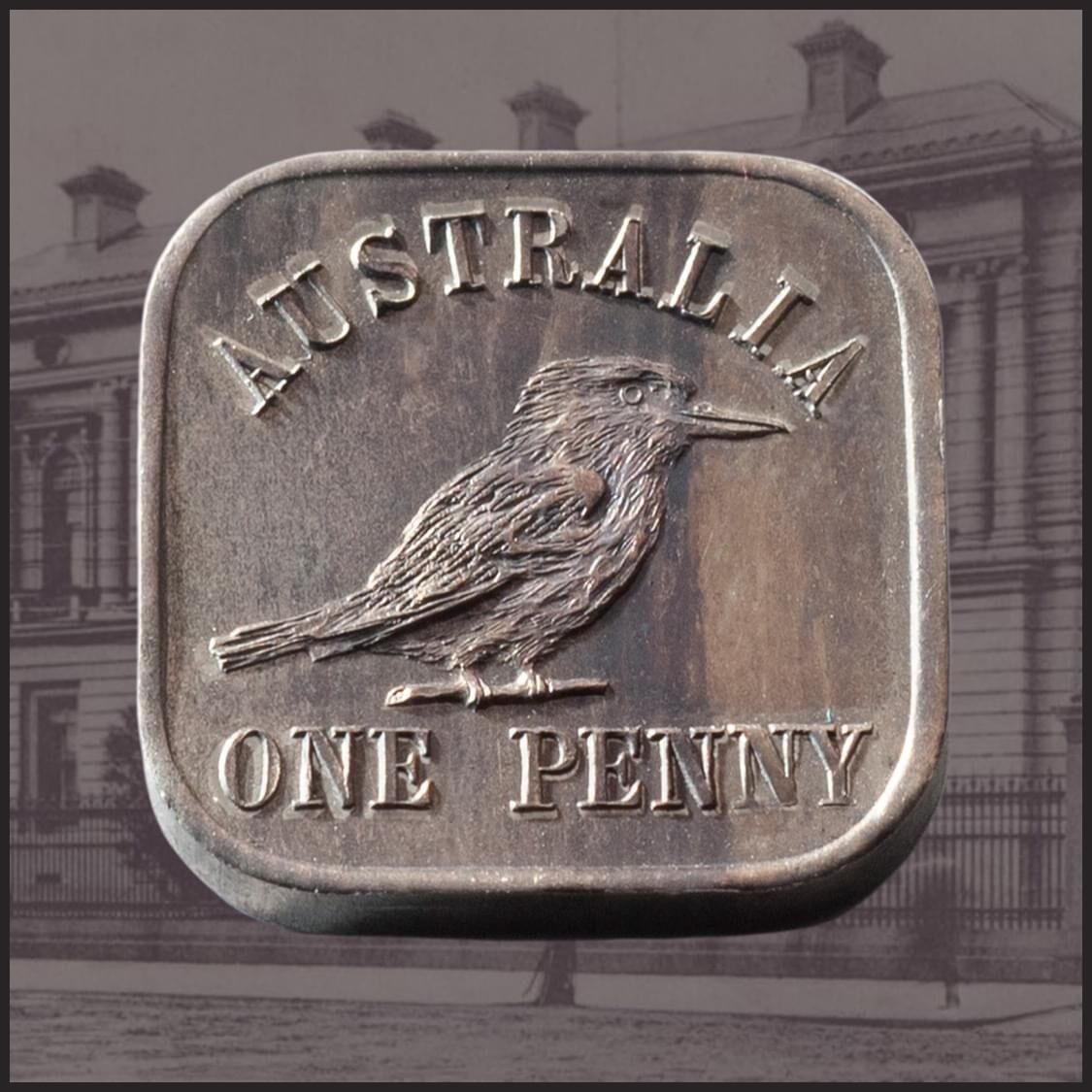
1921 Kookaburra Penny, Type 11,
brilliant fields, strong edges and Uncirculated.
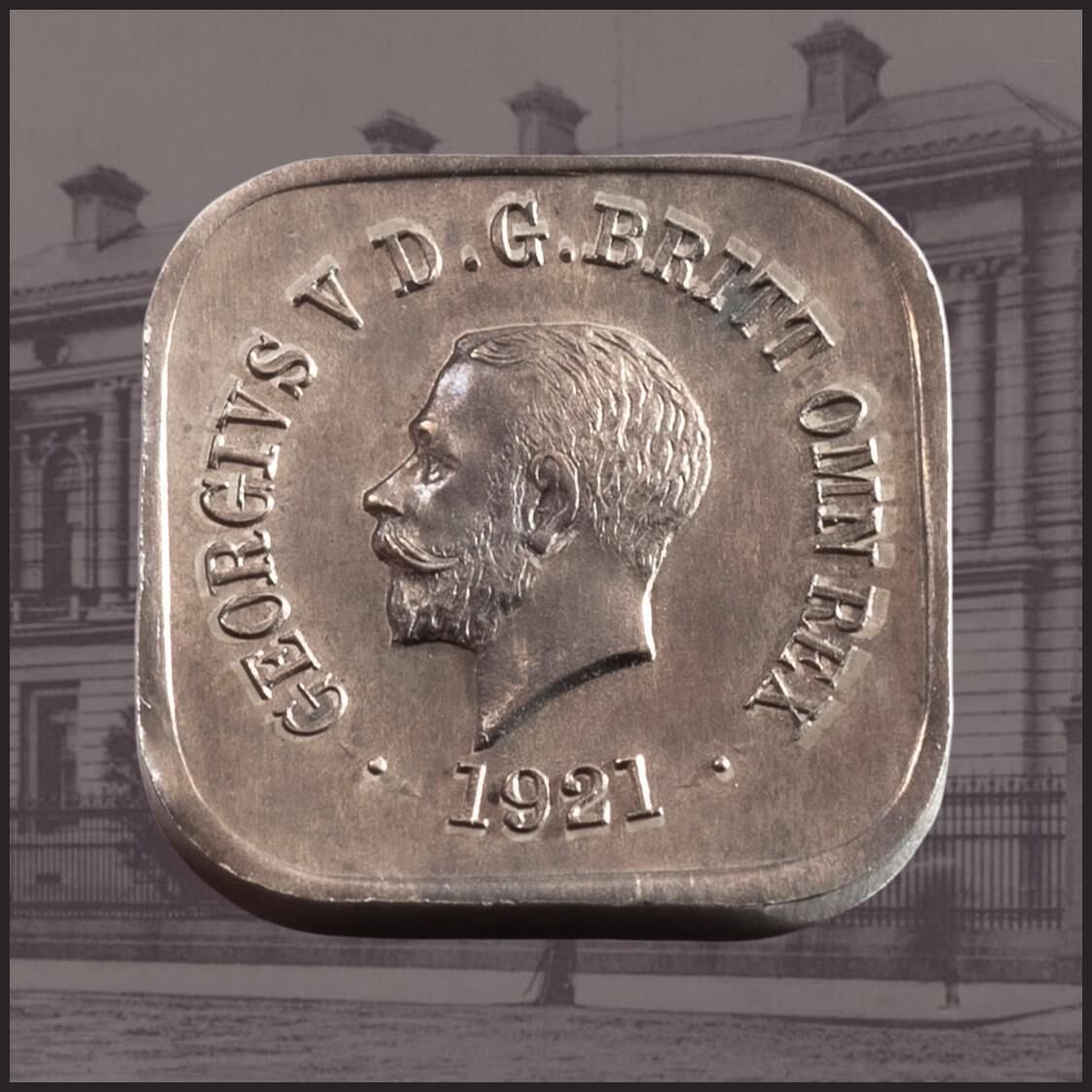
1921 Kookaburra Penny, Type 11,
brilliant fields, strong edges and Uncirculated.
The Kookaburra Penny and Halfpenny were trailblazers: Australia's first attempt at independent design in our coinage, produced in 1919, 1920 and 1921 at the Melbourne Mint. Coins with simple design elegance, produced for Australians, by Australians.
Avant-garde and adventurous, the historical significance of the kookaburra coins cannot be overstated.
The coins pushed the boundaries of traditional design practices, using a 'never-tried before' concept of depicting wildlife unique to Australia. And introduced an innovative material of cupro-nickel.
All of which were taken up in 1966 with Australia's decimal currency changeover!
In 1919, the Government put forward a proposal to replace the round 'British-styled' penny and halfpenny in use at the time with completely new Australian coins. Proudly nationalistic, crafted on one side, with a kookaburra sitting on a branch, underneath the word 'AUSTRALIA' and on the other side, a portrait of George V.
Eleven variations of the penny and two of the halfpenny were produced over three years, each a variation on the one kookaburra theme and each variation assigned a numeric design type, Type 1 to Type 13, to make it easy for collectors.
The Kookaburra coins were test pieces and were not struck to the exacting standards of a proof strike, the very reason why the coins show variations in the thickness of the edges. We note that the edges have been well executed on this coin.
Given to dignitaries to assess their reaction, there was no packaging and we know that not every dignitary was a collector and would have handled them with care. Some of the coins must have been tucked into a fob pocket for they have circulated. Others could have rattled around a top desk drawer. We note that this coin has been brilliantly preserved. The fields are fully brilliant!
It is a statement of fact that a well struck and well-preserved kookaburra coin is a joy to behold.
© Copyright: Coinworks