The gold 'Coins of Record' of the Perth Mint, 1899 to 1931, the crown jewels of coinage and a globally traded commodity.
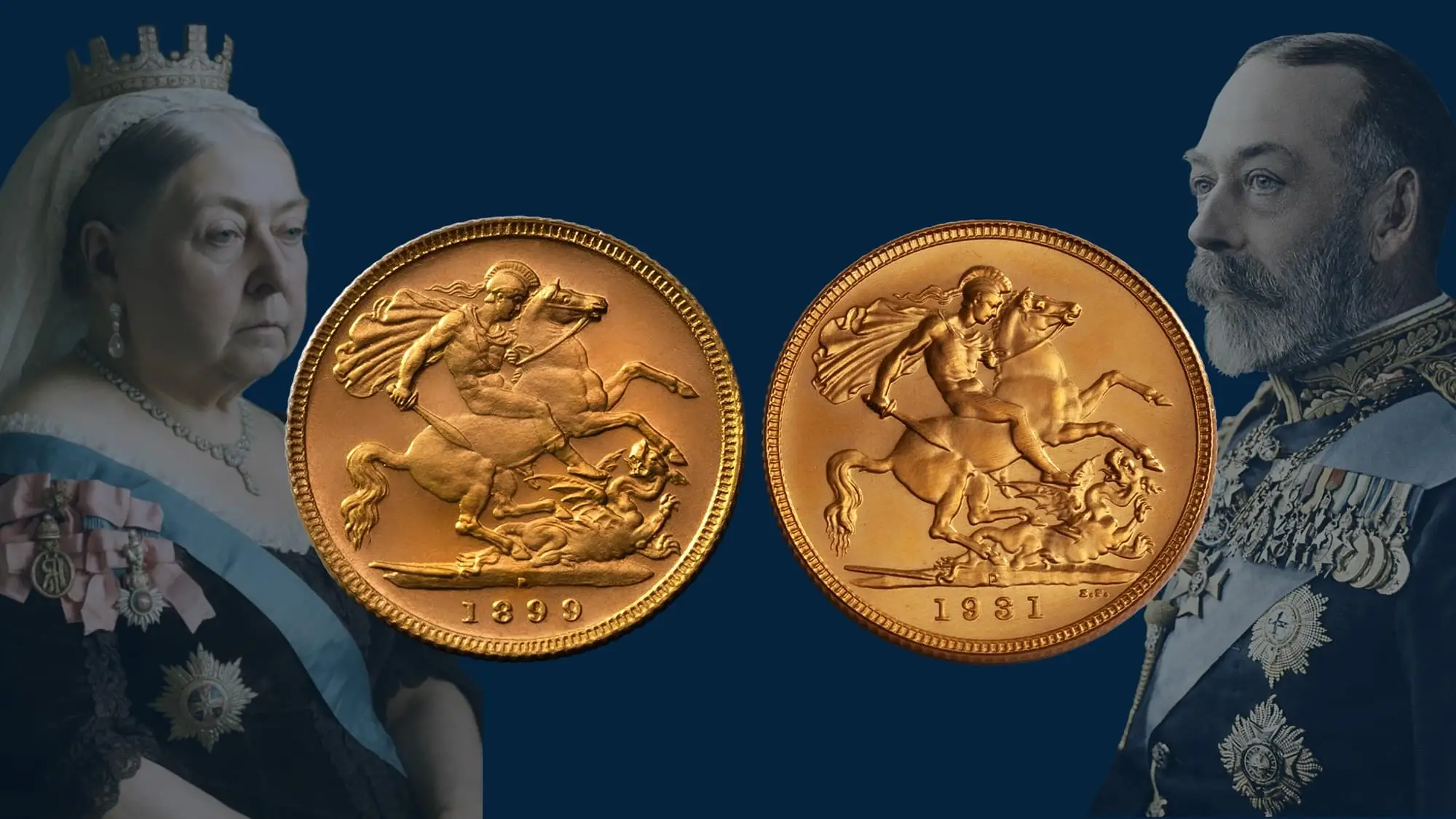
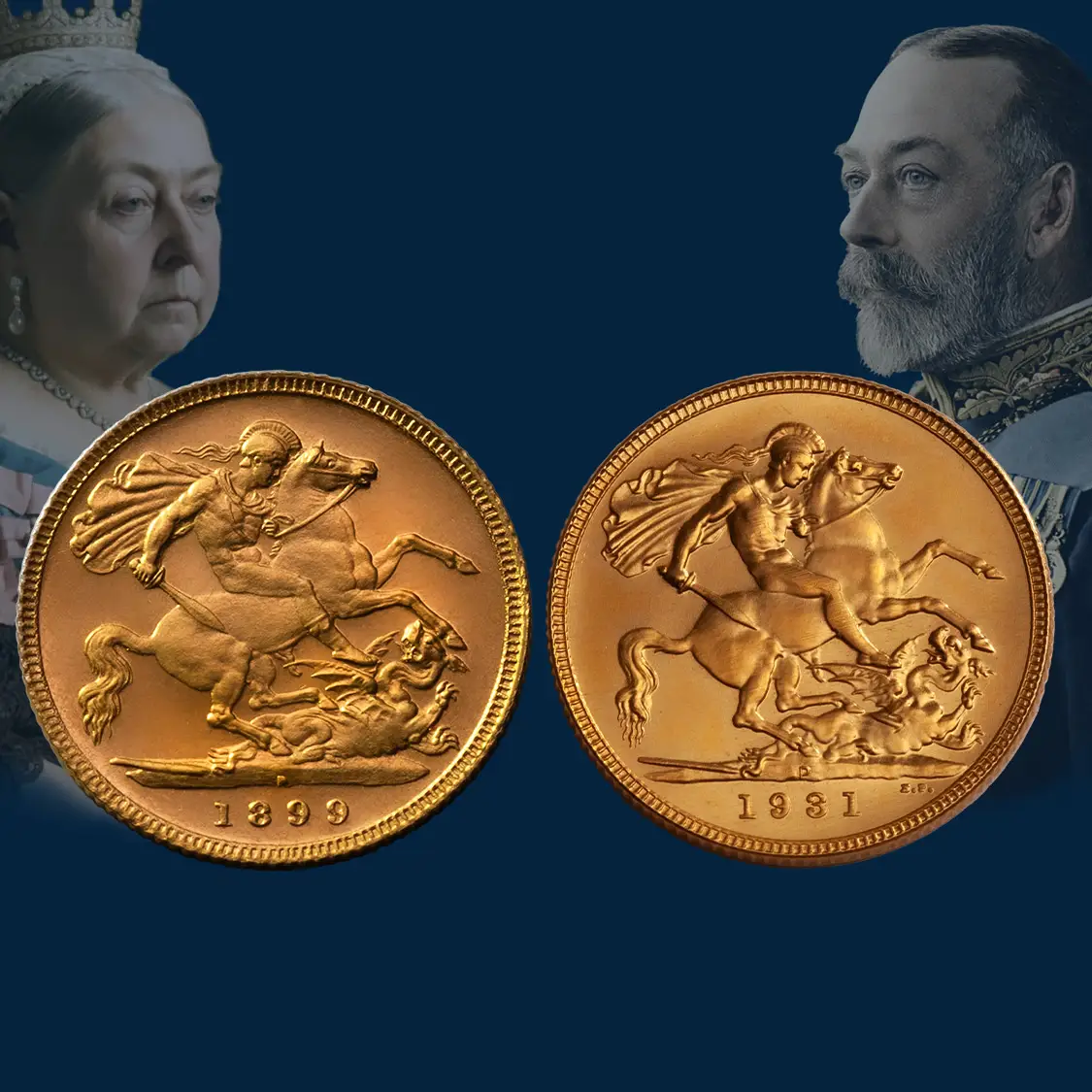
The Coins of Record of the Perth Mint 1899 - 1931
The Perth Mint opened as a branch of the Royal Mint London in 1899 to support Western Australia's gold industry. The mint was Australia’s third gold coin producer following on from Melbourne in 1872 and Sydney, our first mint, opening nearly two decades earlier in 1855.
It is the only Australian mint still operating, the Melbourne Mint closing in 1964 prior to decimal currency changeover. And the Sydney Mint declared unprofitable and closed by the Government in 1926. Interestingly, the Perth Mint is one of the oldest mints in the world that still functions out of its original heritage buildings.
The dies for the Perth Mint coins were prepared at the Royal Mint London, a discrete 'P' for 'Perth' placed above the date to clearly identify the issuing mint.
The Perth Mint produced circulating sovereigns and half sovereigns for the colonial Western Australian Government lead by Lieutenant Colonel Sir Gerard Smith K.C.M.G.
There were occasions when the mint created special presentation pieces, one of which was produced in 1899 and presented to Sir Gerard Smith at the official opening of the Perth Mint on 20 June 1899. The coin was held by the Smith family (U.K.) but was returned to the mint in 1961, where it is still held.
Such presentation pieces are technically referred to as 'Coins of Record'. They are currency 'with a twist' for the coins are never meant to be used.
A Coin of Record is an artistic interpretation of coinage, a strikingly beautiful coin beyond ordinary currency. Individually crafted to a proof finish using special coining techniques to standards far exceeding that required of a circulating coin.
A Coin of Record would invariably be struck and placed in the mint's archives as a numismatic of its achievements. Gifted to a monarch, a dignitary or sent to an influential collector. Or put on display at an international trade fair. And if the Royal Mint London requested a sovereign for its archives, it was yet another occasion when a Coin of Record would be minted. Situations where a circulation strike would simply not suffice.
Whereas production of circulating coinage was dictated by Government, Coins of Record were struck at the discretion of the mint master. The coins were not produced every year and, as they were individually created, the process was time consuming and the mintages minuscule.
The Perth Mint produced millions of circulating gold coins annually from 1899 until 1931 yet produced Coins of Record in only three of those thirty-three years. Its inaugural year, '1899'. Australia's Federation year, '1901'. And the third, the year Australia struck its last gold sovereign, '1931'. The mintage in each year was minuscule, two up to a maximum of five coins is the consensus.
The Perth Mint opened its doors one hundred and twenty-seven years ago. In that time, a Perth Mint gold Coin of Record has been offered at auction on only seven occasions, London 1903, Sydney 1985, Sydney 1989, Sydney November 1996, Sydney March 2003, London 2012 and most recently, Zurich 2021. Each auction has commanded world-wide interest; the prices realised an affirmation of the potency of the Perth Mint's coins.
The gold Coins of Record of the Perth Mint are a globally traded commodity. They are the crown jewels of coinage, adding glamour and exceptionality to any collection!
The Perth Mint Coins of Record, 1899, 1901 & 1931
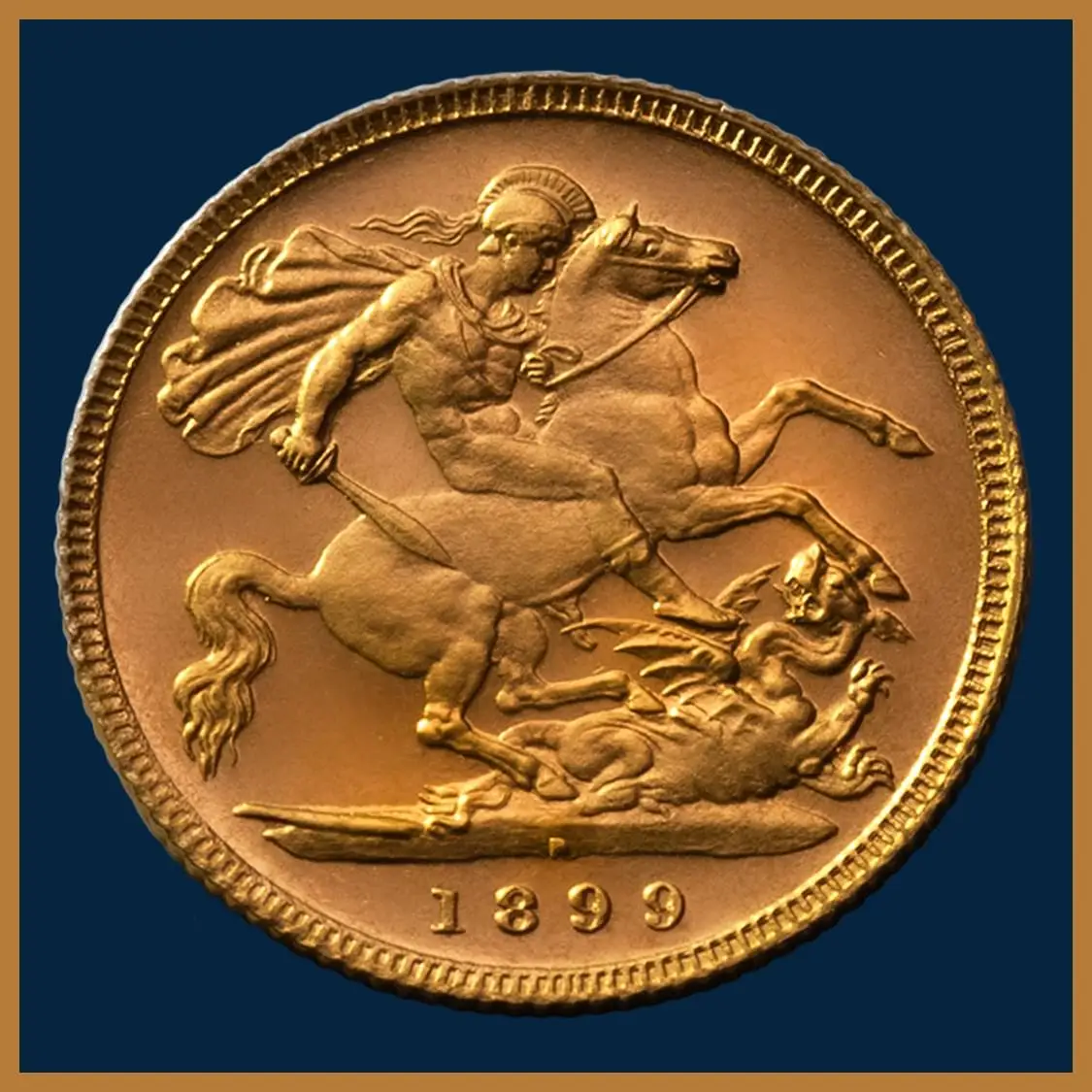
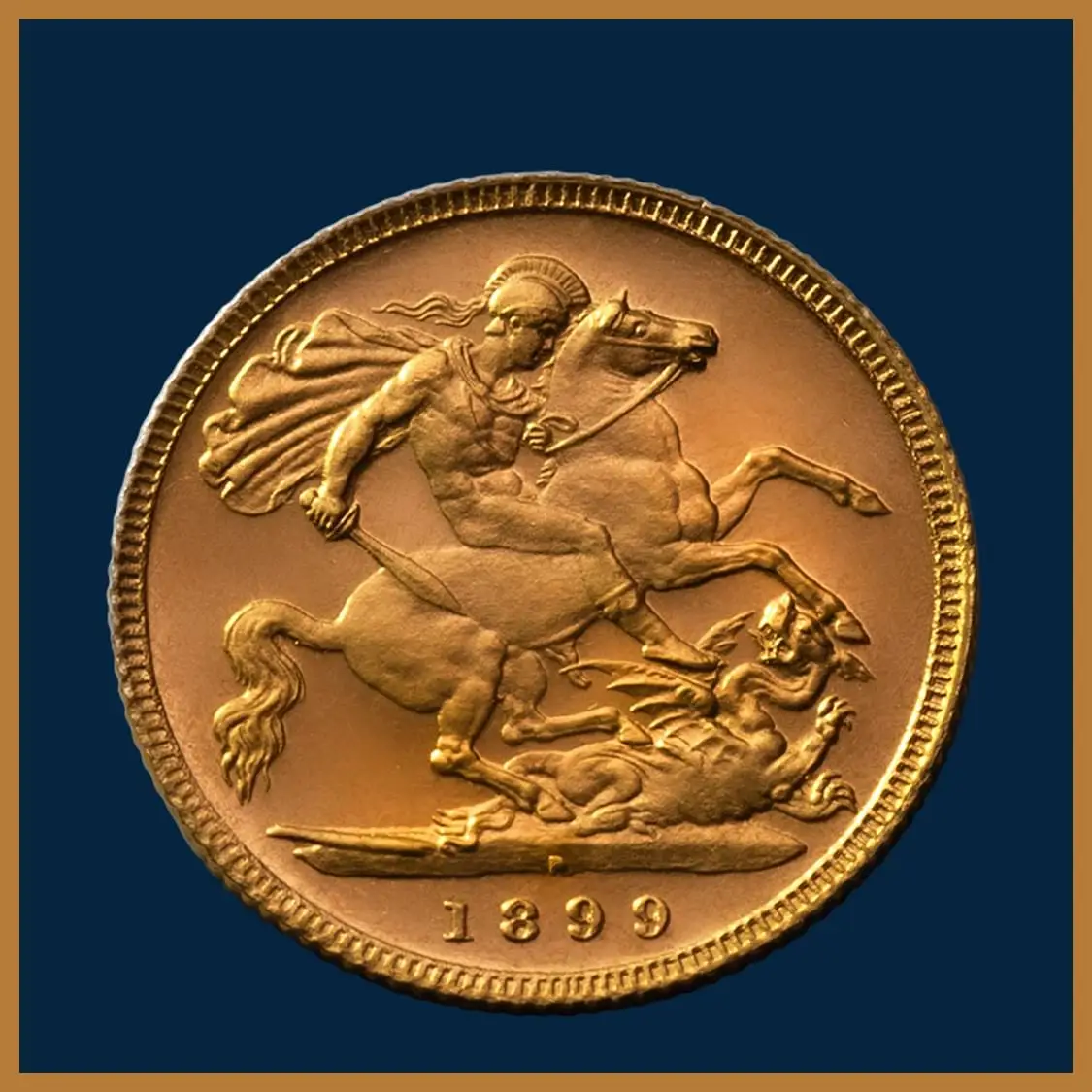
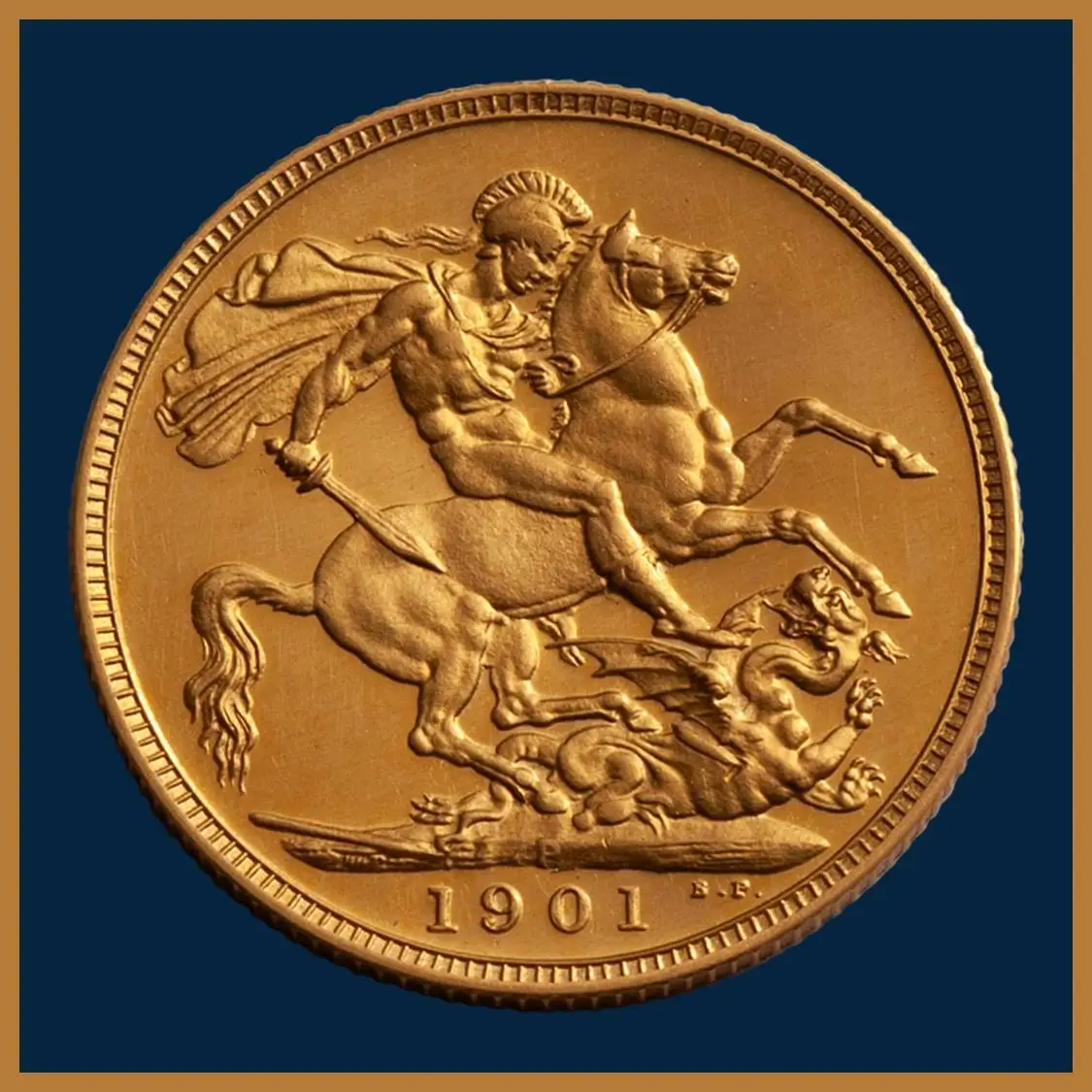
1899P
Proof Sovereign
1899P
Proof Half Sovereign
1901P
Proof Sovereign
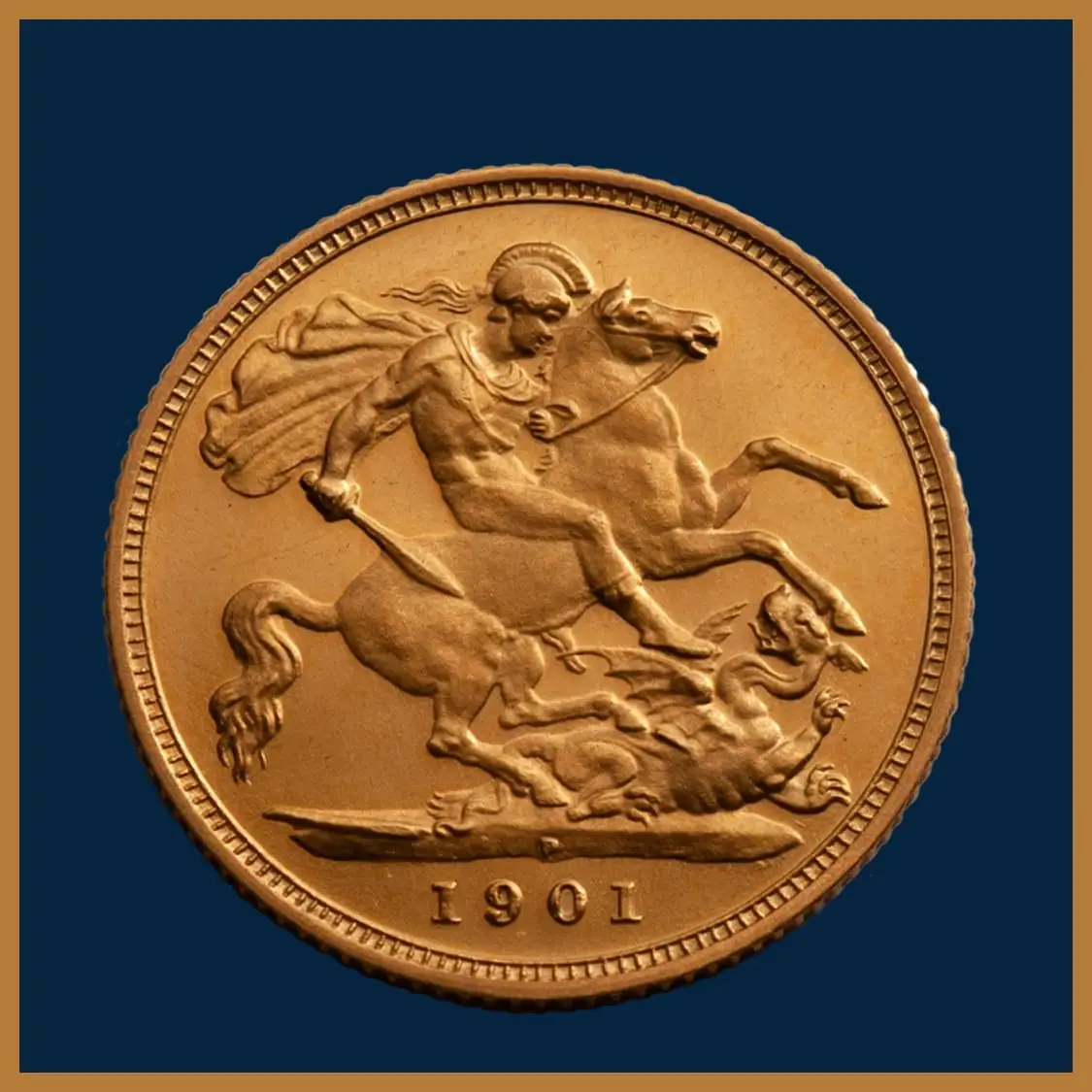
1901P
Proof Half Sovereign
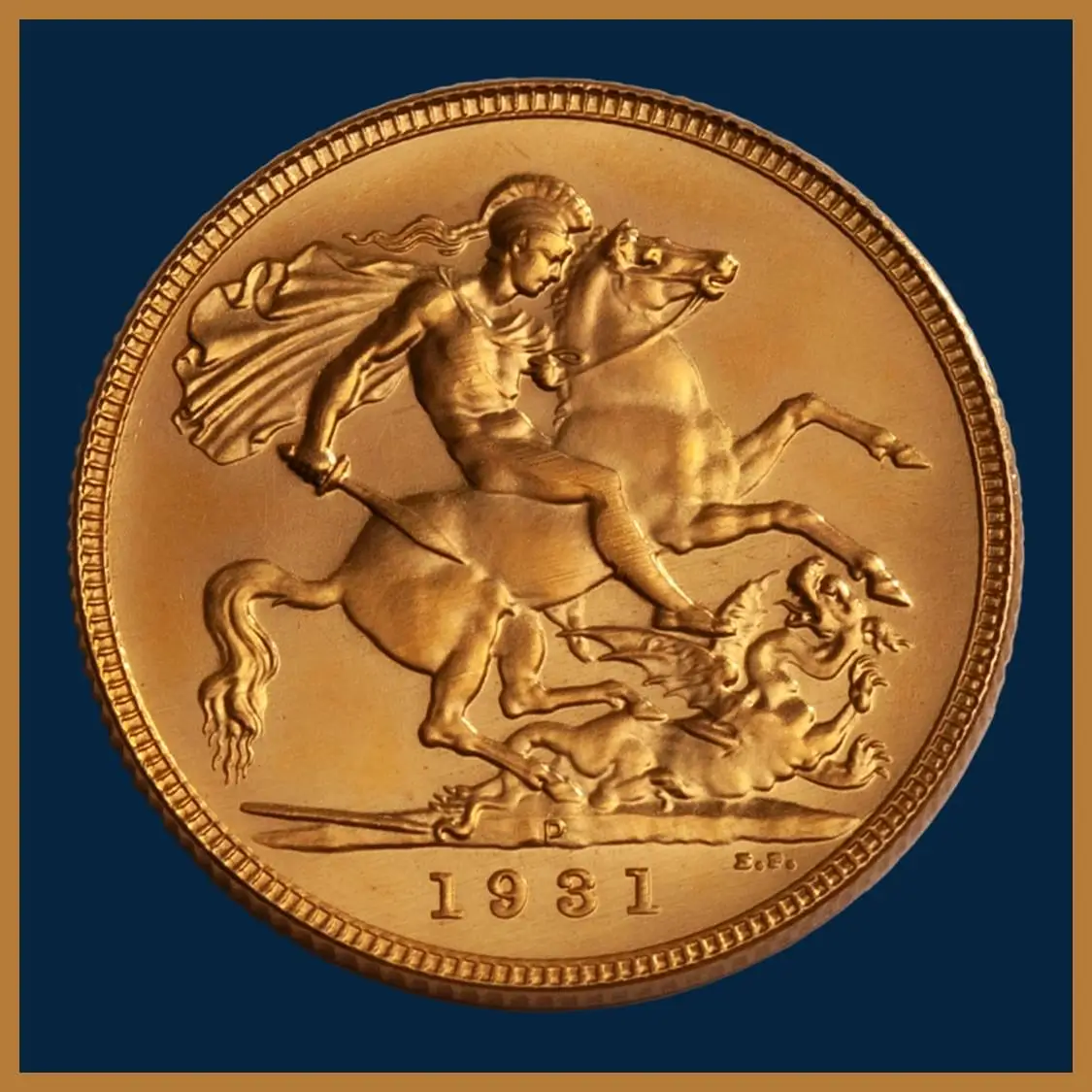
1931P
Proof Sovereign
Coins of Record of the Perth Mint, 1899, 1901 & 1931
1899
Proof Sovereign
1899
Proof Half Sovereign
1901
Proof Sovereign
1901
Proof Half Sovereign
1931
Proof Sovereign
Coins of Record of the Perth, Sydney & Melbourne Mints
To know the motivations of the Sydney, Melbourne and Perth Mint in producing Coins of Record. And to have knowledge of the numbers struck, is to understand their appeal in today's collector/investor market. And is to understand the inordinate demand for those of the Perth Mint.
The Perth Mint was a gold sovereign producer for thirty-three years from 1899 to 1931 and produced Coins of Record in only three of them, 1899, 1901 and 1931.
As with the Melbourne and Sydney Mint, the proofs of the Perth Mint were obtained by British collector, John G. Murdoch. He held examples of the Perth Mint's 1899 Proof Sovereign, 1901 Proof Sovereign and 1901 Proof Half Sovereign, all of which were sold at auction in London in 1903 following his passing. Murdoch was a major force behind the production of Coins of Record at all the Australian mints. His death in 1902, permanently disrupted the connecti0n between the Perth Mint and the collector market as far as Coins of Record were concerned.
It's interesting to look at where the coins are held today.
• Four 1899 Proof Sovereigns are held in institutions, the Perth Mint and the British Museum each holding one, the Museum of Victoria holds two, one of which is on loan to the Ballarat Gold Museum. One example is held by a private collector, whereabouts unknown.
• Only one example of the 1899 Proof Half Sovereign is known and it is held by the Perth Mint, acquired from Coinworks in March 2026. There are no other examples held by any institutions, the world over. Nor held by private collectors.
• There are no 1901 Perth Mint Proof Sovereigns held in any institutions, the world over, including the issuing mint itself. Two 1901 Proof Sovereigns are held by private collectors, one held in Canberra, the other overseas.
• Three 1901 Proof Half Sovereigns are held in institutions, the British Museum holding one and the Museum of Victoria two, one of which is on loan to the Ballarat Gold Museum. One 1901 Proof Half Sovereign is held by a Canberra collector.
• There are no 1931 Perth Mint Proof Sovereigns held in any institutions, the world over, including the issuing mint itself. Two examples of the Proof 1931 Sovereign are held by private collectors, one of which is impaired through mishandling.
It is amazing when you consider the production and distribution of the Perth Mint Coins of Record that the mint itself gave no consideration to keeping examples. That the Perth Mint has the 1899 Proof Sovereign is a stroke of luck. And while the 1899 Proof Half Sovereign was acquired by the Perth Mint in 2026, its return could almost be considered a stroke of fortune as it might easily have been sold to a private collector. (The history of these two coins and how they ended up being at the Perth Mint are detailed below.)
And while it is interesting to reflect on the coins held in institutions, collectors are in reality only concerned with the numbers that are available to them to buy. For collectors, the pool of representative examples of Perth Mint Coins of Record is five proof sovereigns, one of the '1899' and two each of the '1901' and '1931'. And one proof half sovereign, '1901'.
The Melbourne Mint was relatively prolific in the production of proof coins, primarily due to the influence of British collector, John G. Murdoch. And while the mintages were always minuscule, it is the regularity of the issues that is the defining difference between Melbourne Mint Coins of Record and those of the Perth and Sydney Mints.
The Melbourne Mint was a gold coin producer for sixty years (1872 - 1931) and struck Coins of Record in twenty-five of them, primarily in the fifteen years of the Jubilee and Veiled Head era. For collectors, the pool of representative examples of Melbourne Mint Coins of Record is in the vicinity of forty proof sovereigns and thirty proof half sovereigns. Still extremely modest, but this discussion is all about relativities.
The Sydney Mint took control of its proof issues in 1871. Earlier Sydney Mint proofs were struck at the Royal Mint London. Sydney's approach to production of Coins of Record was modest in numbers and sparse in terms of the years in which they were struck. The name 'Murdoch' is attached to a small number of Sydney Mint proofs. The name of New South Wales politician, 'Dangar' (Henry) appears more frequently.
From 1871 until it closed in 1926, the mint struck Coins of Record in only thirteen out of a possible fifty-six years. As many of the strikes are known by only one example, for collectors, the pool of representative examples of Sydney Mint Coins of Record is in the vicinity of twenty-three proof sovereigns and fifteen proof half sovereigns.
Zurich's Sincona Auction, November 2021, confirmed the potency of the Perth Mint proofs on the international stage
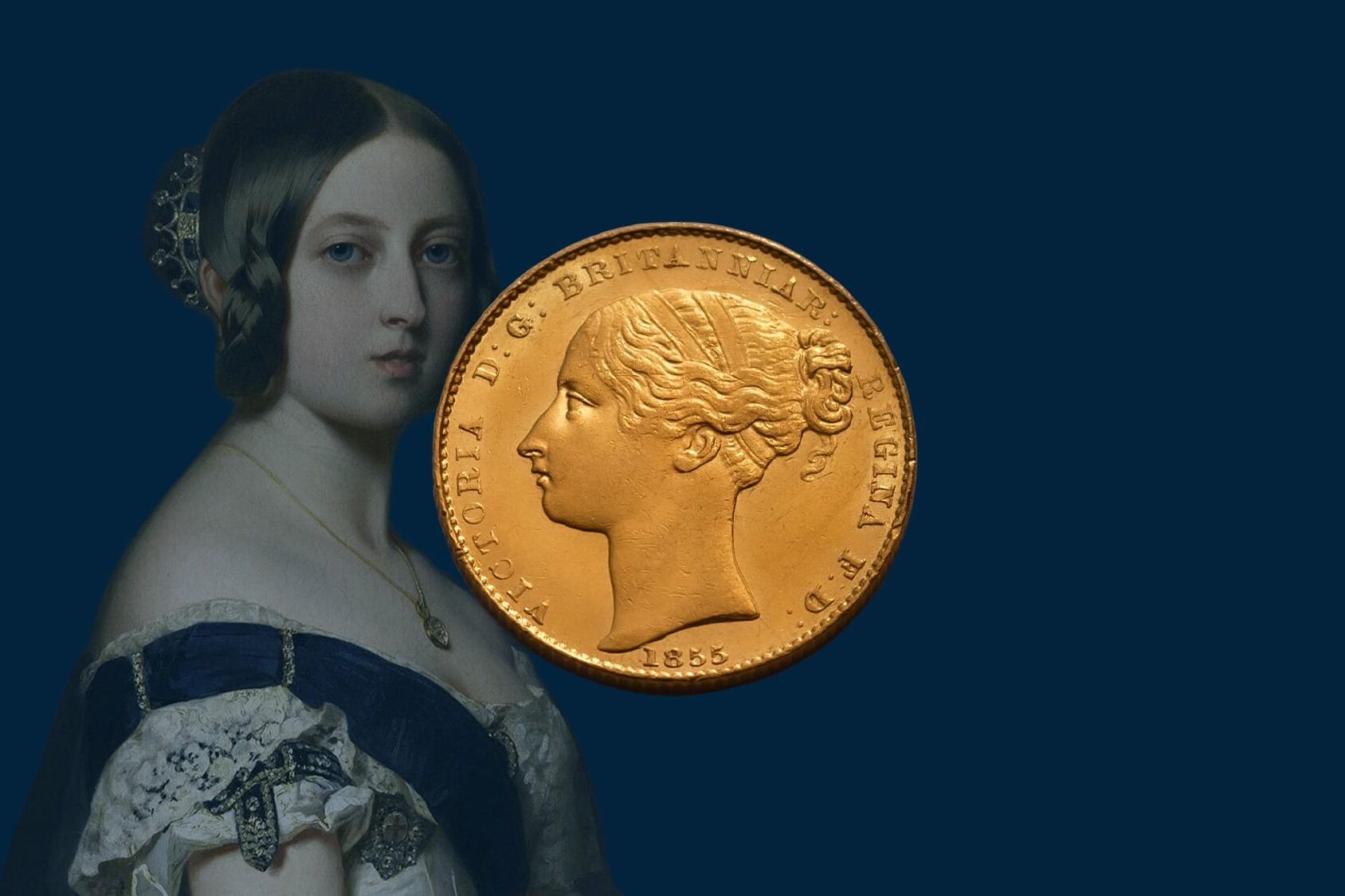
In November 2021, two rare Australian proof sovereigns sold in Zurich, the sale conducted by Sincona Auction. The coins were an 1898 Proof Sovereign (Melbourne Mint) and the second, a 1901 Proof Sovereign (Perth Mint). Both pieces were 'Coins of Record', each depicting the Veiled Head portrait of Queen Victoria. The historical background of the coins is as follows.
Two examples of the 1898 Melbourne Mint Proof Sovereign were held in the collection of renowned British collector John G. Murdoch and were sold in 1903, in London, the auction handled by Sotheby, Wilkinson & Hodge. An example, assumed one of Murdoch's coins, was sold by Spink Auctions, Australia, in 1990 (Lot 1169). None have appeared since.
Two examples of the 1901 Perth Mint Proof Sovereign were also held in the John G. Murdoch collection and sold in the same London auction. An example, again assumed one of Murdoch's coins, was sold by Spink Auctions, Australia, in 1985 (Lot 1047). None have appeared since.
On the surface, no great differences here. Similar profile. Both extremely rare, high quality, Australian gold proof coins. The prices realised at the Sincona Auction tell a different story!
The Melbourne Mint 1898 Proof Sovereign sold for 62,000 Swiss franc. Approximately $110,000 Australian dollars using exchange rates at the time. The Perth Mint 1901 Proof Sovereign fetched 95,000 Swiss franc, a converted Australian dollar price of $165,000.
With similar credentials, the obvious question is why the market valued the Perth Mint Proof Sovereign so highly?
There were two messages to come out of the Sincona Auction. The first message is that Australia's Gold Coins of Record - Melbourne or Perth Mint - are sought after world-wide.
The second message to come out of the Sincona Auction is the overwhelming demand for the Perth Mint proof.
Local bidders, of which there were many (ourselves included) were completely over-run by international collectors in the pursuit of both coins.
The $100,000 ceiling that the 1898 Proof Sovereign reached at auction reflected the coin and its genuine rarity. That it did not go higher is a recognition of the availability of Melbourne Mint proof coins of other dates. The Melbourne Mint struck proofs in twenty five of its fifty-nine-year gold coining history and was particularly prolific in the Veiled Head era of 1893 to 1901, striking proofs in each year. Thereby offering collectors options on dates other than '1898'.
The 1901 Proof Sovereign rapidly reached the $100,000 level, but bidding accelerated beyond the $100,000 mark simply due to the extreme scarcity of the entire Perth Mint Gold Coins of Record sector. The Perth Mint is so exclusive in numbers, striking proofs in only three years out of thirty-three, there are no easy options for collectors in procuring another date.
There is one other reason why the Proofs of the Perth Mint are so popular. The Perth Mint is still producing coins; its narrative has not been confined to history. The mint is an on-going story with a collecting audience that is expanding through the production and export of its decimal collector coins.
The Perth Mint’s commercial profile creates an environment whereby its earlier gold sovereign and half sovereign issues can be enabled and brought to life. Every time the Perth Mint opens its doors to welcome visitors, releases a new proof coin or celebrates an anniversary of its minting operations (as it did on 2024), we are reminded of a tradition of coining excellence that began in 1899.
Fundamentals of the Perth Mint Coins of Record 1899, 1901 & 1931
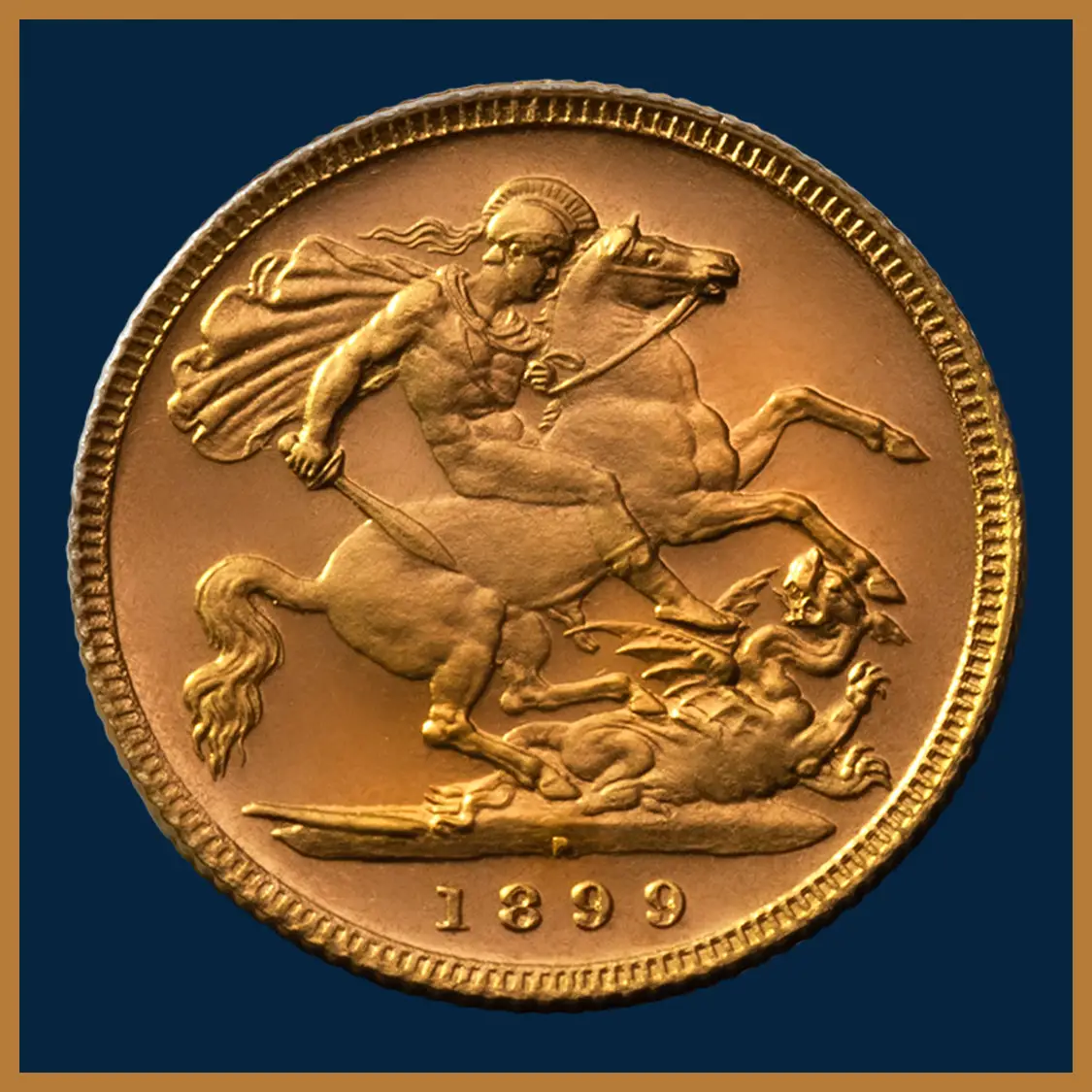
1899P
Proof Sovereign
One example is held by a private collector, whereabouts unknown.
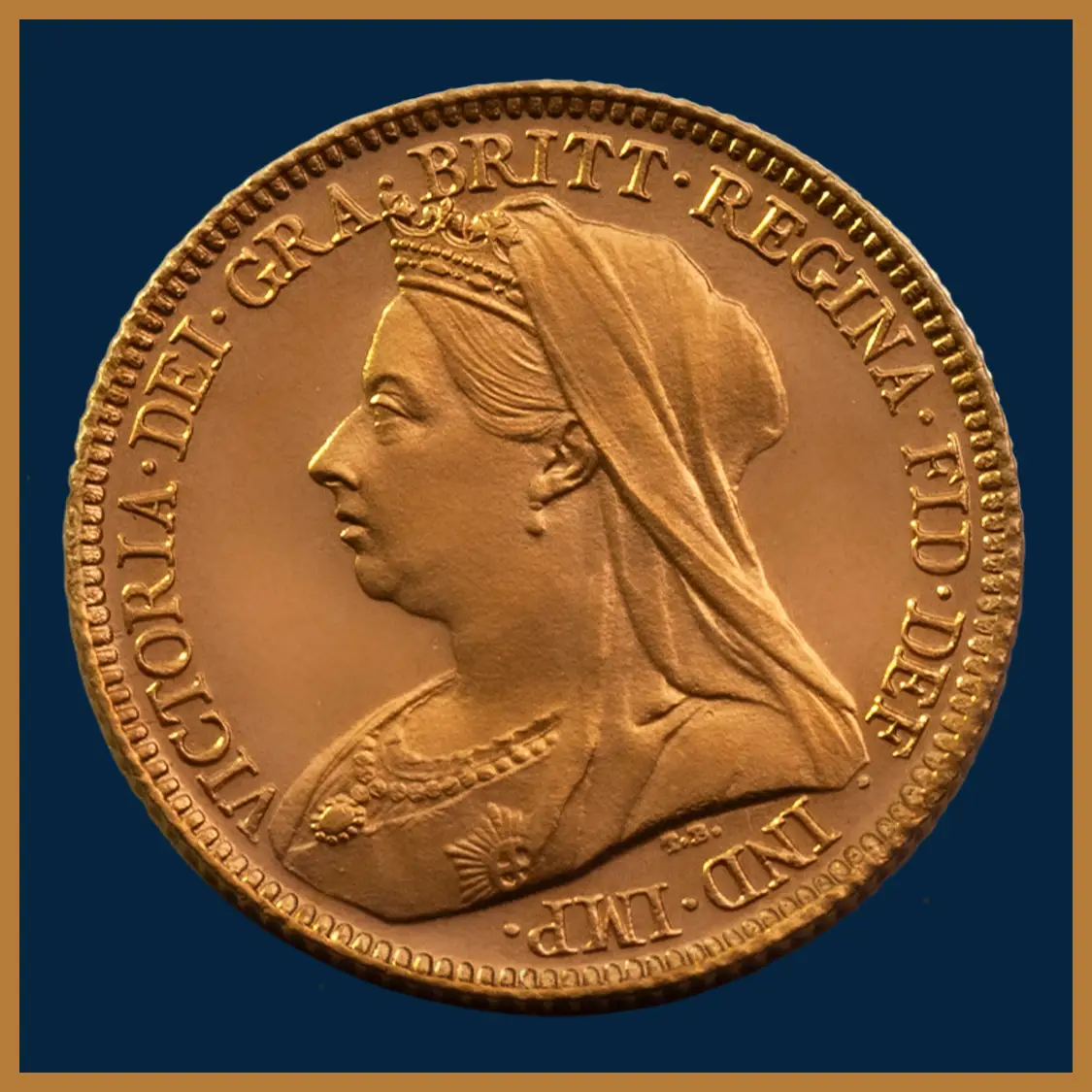
An 1899 Proof Sovereign was presented to the Governor of the Western Australian colony - Governor Lieutenant Colonel Sir Gerard Smith KCMG - at the official opening of the Perth Branch of The Royal Mint on 20 June 1899. When Governor Smith resigned from the post on 30 June 1900, he returned to England taking various prized mementos, including the sovereign. In April 1961 his son returned the coin to the Mint where it is permanently held.
The Melbourne Mint ordered two sovereigns and two half sovereigns on 12 June 1899, the sovereigns sent from Perth on 30 August, together with a covering letter stating that 'no half sovereigns had been struck to that time'. The sovereigns were transferred to the Museum of Victoria from the Melbourne Mint archives on 11 January 1978, one of them now on loan to the Ballarat Gold Museum.
In addition to the three coins noted above, two 1899 Proof Sovereigns were held by influential British collector John G. Murdoch. They were sold in London in 1903 by Sotheby, Wilkinson & Hodge following Murdoch's passing in 1902, lots 645 and 648.
An 1899 Proof Sovereign is held in the British Museum acquired by exchange from collector Henry Garside in 1924 and is believed to be a Murdoch piece. An 1899 Proof Sovereign sold at Spink Auctions (Australia) in 1985, lot 1046, and the same coin re-offered in 1989, lot 1429. As many coins made their way into the Australian coin market from London in the early 1980s via dealers A. H. Baldwin and Spink London it is believed that the example offered at Spink Auctions (Australia) was also ex Murdoch Collection. Sadly, for today's collectors, its whereabouts is unknown.
1899P
Proof Half Sovereign
One example is held by the Perth Mint. No other examples are known.
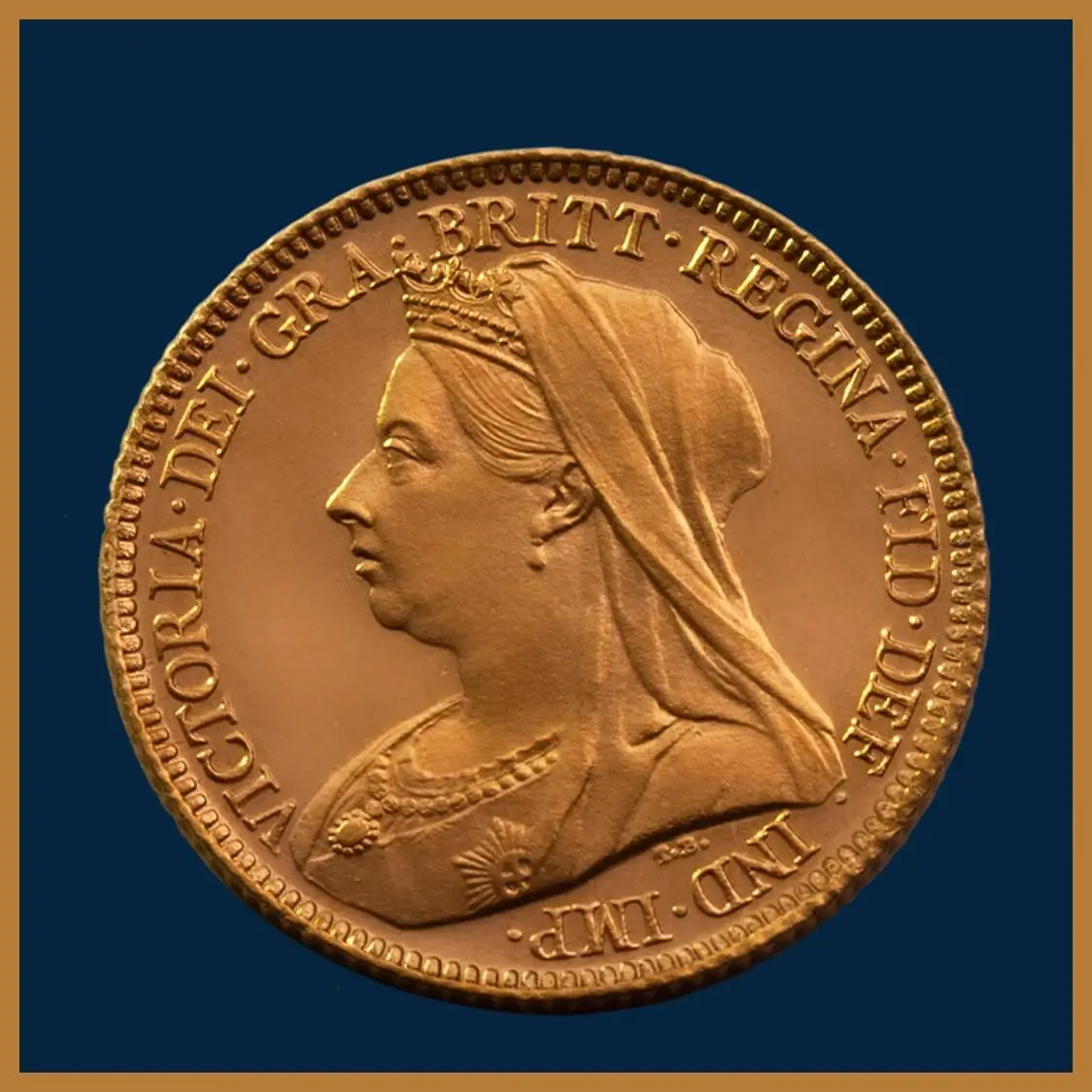
The 1899 Proof Sovereign and its counterpart, the 1899 Proof Half Sovereign are vital to the Perth Mint's story. And yet, up until 1961, the mint did not hold either coin. And it has taken another sixty-five years for both coins to be re-united and back where they belong. At the mint!
There is only one known example of the 1899 Proof Half Sovereign. And it is now held by the mint. There are no other examples held by any institutions, the world over. Nor held by private collectors. And, as it so happens, no half sovereigns were struck as circulating currency by the Perth Mint in 1899, making the 1899 Proof Half Sovereign the only coin struck using the dies dated '1899'.
Early records at all the Australian mints are scanty. Mintages of circulating sovereigns were noted as this was under Government control. But Coins of Record mintages were not required to be recorded as they were struck at the whims of a mint master.
So, what do we know about the 1899 Proof Half Sovereign?
The Royal Mint confirmed in 2025 that the 1899 Proof Half Sovereign had been examined forty years earlier (September 1985) and authenticated as having been struck from the original dies. It is noted in their records that the coin is genuine and of a "local proof standard", a comment perhaps directed to the inconsistencies in the edge denticles.
The Perth Mint has drawn upon its archival resources (die records) to confirm that the 1899 Proof Half Sovereign was struck in the Perth Mint's opening year. And not a later re-strike that used original dies. It was the Perth Mint's practice to deface old dies immediately after New Year. Records indicate that the '1899' dies were defaced (and hence made unusable) at the commencement of the new year, the '1900' currency dies having already been ordered and received late in 1899.
The 1899 Proof Half Sovereign first came to the attention of the collector market in the 1940s, held in the collection of South Australian, Syd Hagley (who also owned the ex Le Souef Proof 1930 Penny). The coin exchanged hands several times offered first by Spink Auctions (Australia) November 1985, lot 1046, thence to Spink Auctions (Australia) March 1989 in the liquidation of the R.G. & C. Pratley collection, lot 1558. Sold privately in 1994 by Noble Numismatics for $150,000 it was later offered at Nobles Auction November 1996, lot 1589. The coin appeared again at Nobles Auction March 2003, lot 1381, where it was acquired by Coinworks on behalf of Mel Gottlieb. The final private collector to own this coveted coin was William Francis Ryan in July 2017. His passing saw the coin come back onto the market and sell to the Perth Mint in 2026.
1901P
Proof Sovereign
Two examples are held by private collectors.
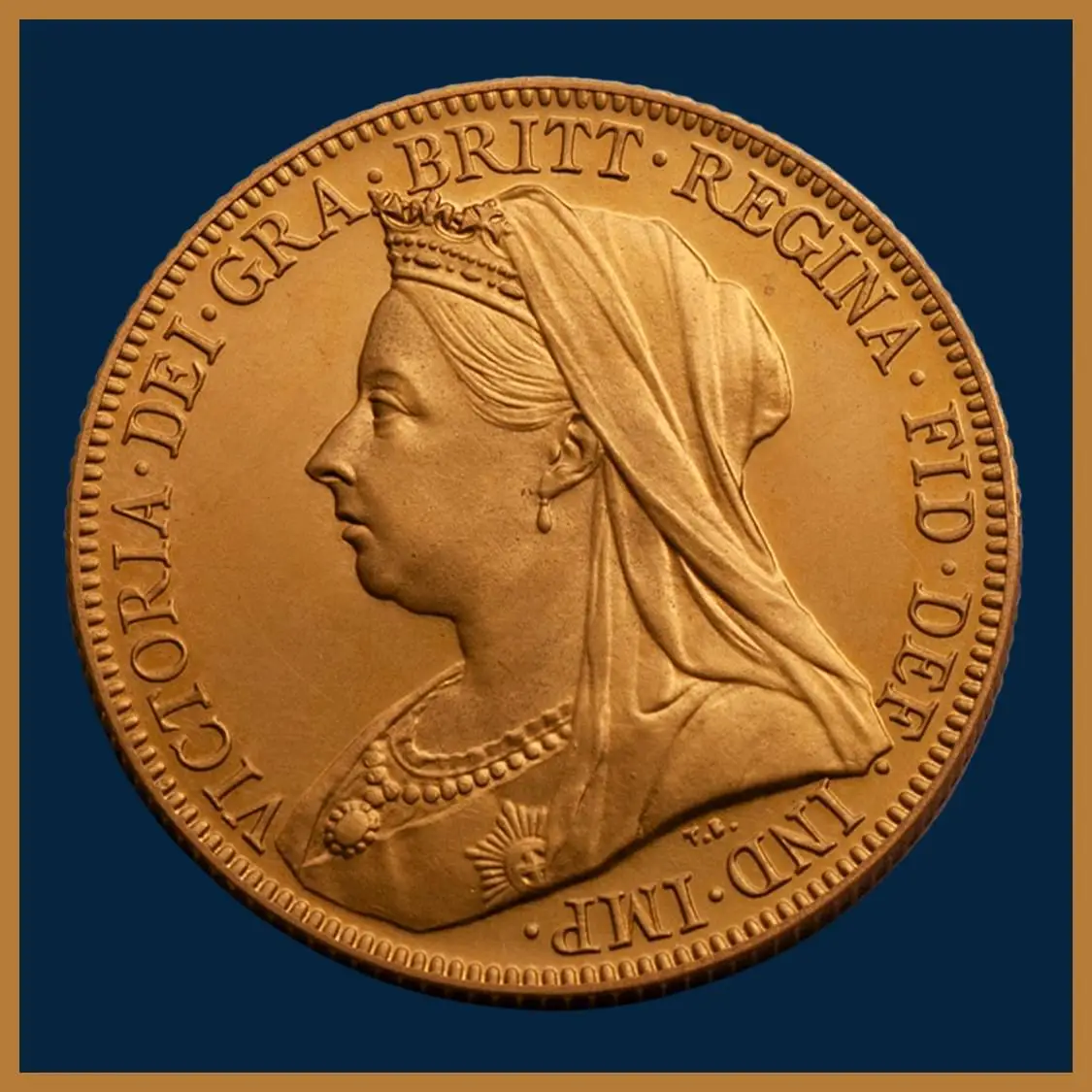
Archival records indicate that the Melbourne Mint received two 1901 Proof Sovereigns (and four 1901 Proof Half Sovereigns) from the Perth Mint on 11 October 1901. And yet the Melbourne Mint today holds no sovereigns and only two half sovereigns dated 1901.
So where did they go?
We know that two 1901 Proof Sovereigns and two 1901 Proof Half Sovereigns were held by influential British collector John G. Murdoch. They were sold in London in 1903 by Sotheby, Wilkinson & Hodge following Murdoch's passing in 1902, lots 648 and 650. John Sharples (former Curator of Australia's National Coin Collection) believes that the Murdoch coins came from the Melbourne Mint. He indicates that, at the time, the Melbourne Mint was 'dealing' in proof gold, coins that it manufactured or that had been received from other mints were sold onto collectors. The numbers were minuscule and the profits were small, but the monies were used to acquire pieces for its own collection.
A 1901 Proof Sovereign sold at Spink Auctions (Australia) in 1985, lot 1047. Acquired from Barrie Winsor in February 2000, the coin was more recently sold by Coinworks to a Canberra collector in 2024. Another 1901 Proof Sovereign was offered at Sincona Auction, Zurich November 2021, lot 892. Both coins are assumed to have come from the Murdoch Collection.
1901P
Proof Half Sovereign
One example is held by a private collector.
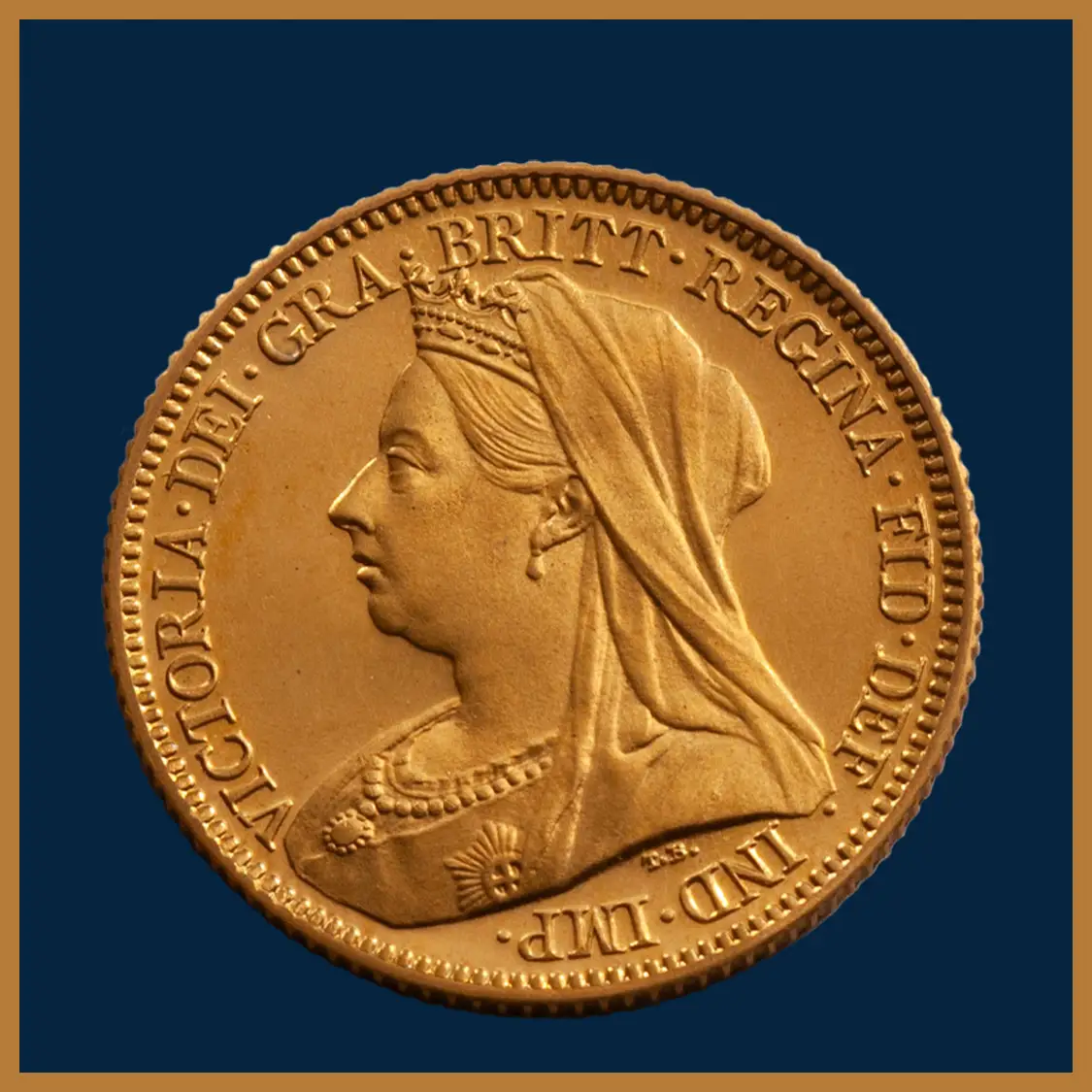
Archival records indicate that the Melbourne Mint received two 1901 Proof Sovereigns (and four 1901 Proof Half Sovereigns) from the Perth Mint on 11 October 1901. The two half sovereigns were believed sold to British collector, John G. Murdoch. As stated above, at the time the Melbourne Mint was said to be 'dealing' in proof gold and selling coins to collectors to raise monies to expand their own collection.
Sotheby's auction catalogue records that lot 650, containing the two 1901 Proof Half Sovereigns, was acquired by legendary British collector, Reginald Huth, an acknowledgment that just two years after its striking, the half sovereign was already an acclaimed 'great' coin rarity. When a high-profile collector targets a coin, the market, both collectors and dealers alike, take note. And search for the reasons why. The market took note in 1903 that a 'great' collector had acquired a 'great' piece, a phenomenon that still exists to this very day. The quality of the strike, a superb FDC, would have appealed to Huth. But he would also have been familiar with its importance. Collecting and minting circles were very much interconnected in the twentieth century, and he would have been aware that no circulating half sovereigns were struck by any of the Australian mints in 1901, due to the death of Queen Victoria early in that year, January 22, 1901. So, the proof strike was the only representative example of a half sovereign dated 1901, issued by the Perth Mint.
The 1901 Proof Half Sovereign, ex Murdoch and Reginald Huth, was offered in Sydney by Spink Auctions Australia in 1985, Lot 1048, the coin acquired by Barrie Winsor for $21,700 on a pre-sale estimate of $15,000. Again, the same scenario of a 'great' coin going to a 'great' numismatist. Acquired from Barrie Winsor in February 2000, the coin was more recently sold by Coinworks to a Canberra collector in 2024. A 1901 Proof Half Sovereign is held in the British Museum via the Clarke-Thornhill bequest of 1935, believed to be an ex Murdoch, Huth coin.
1931P
Proof Sovereign
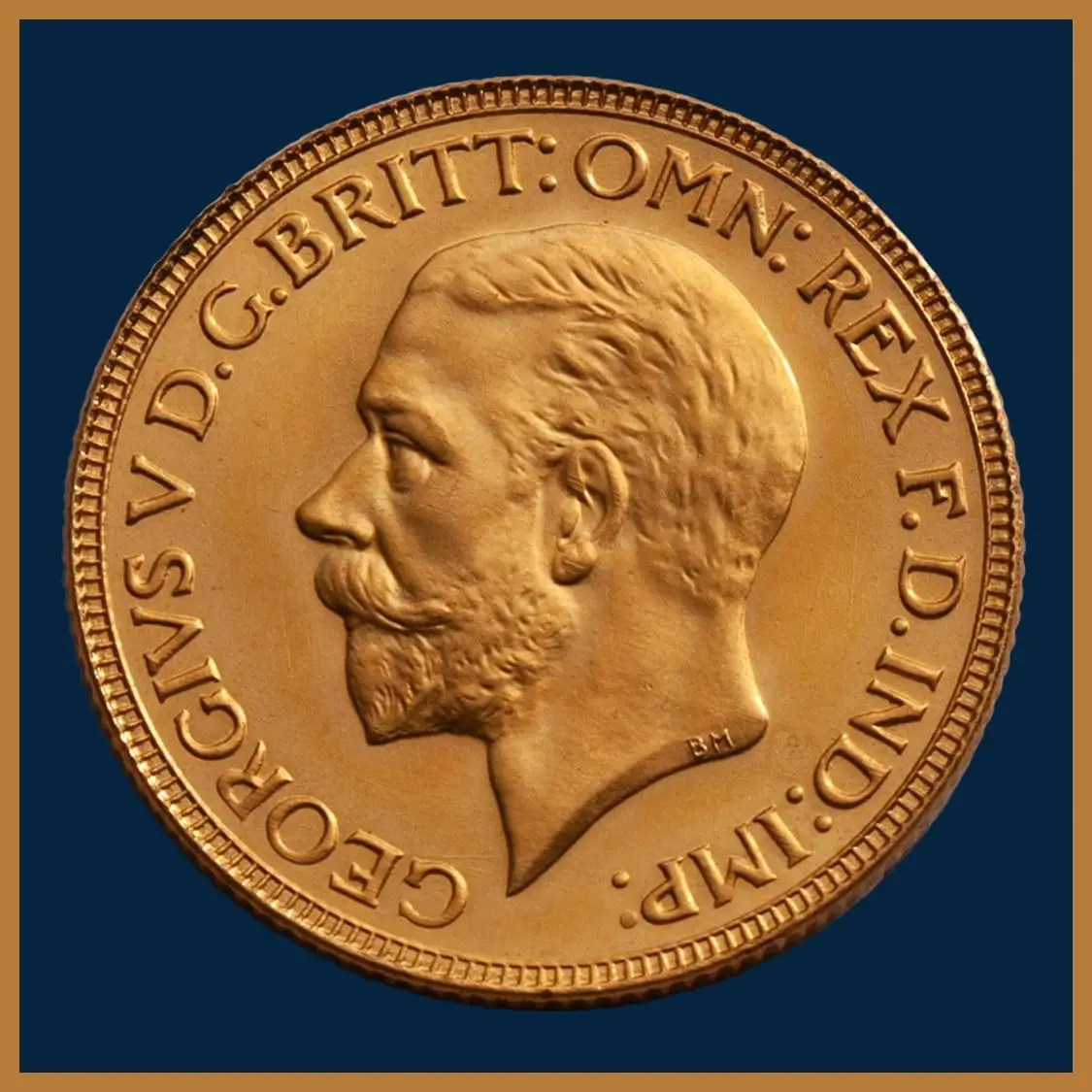
The 1931 Perth Mint Proof Sovereign is one of Australia’s high-value proof gold coins. The coin is one of our most exclusive. Two examples are available to collectors, one of which has been impaired through mishandling.
The coin also is one of our most significant. A pivotal monetary decision by the Government, for Australia to go off the gold standard, saw the nation’s mints strike their last gold sovereign in 1931. This Proof Sovereign was struck at the Perth Mint as a numismatic commemoration of the end of the era of gold coining. The date ensures that the coin will always be relevant, for generations to come.
One of the 1931 Proof Sovereigns was struck to order, a gift for the Director of Consolidated Goldfields, John Agnew circa 1931. More than likely the other example was struck at the same time.
The market's reaction to the 1931 Proof Sovereign was clearly shown when an example was first offered at Baldwins, London in 2012, as lot 878, the coin selling for £52,800, 32 per cent higher than its pre-sale upper estimate of £40,000. By comparison, a 1929 Melbourne Mint Proof Sovereign, a proof coin out of the same George V era, was offered with an upper pre-sale estimate of £40,000 and sold for £40,800. If we compare the two coins, the 1931 Perth Proof and the 1929 Melbourne Proof, there is no doubt that the year 1931 is considered more important historically than 1929. But the prime reason for the vast price differential was that the 1931 Proof Sovereign is a product of the Perth Mint, the 1929 Proof Sovereign a Melbourne Mint production.
Shop Coinworks
© Copyright: Coinworks