1919 Kookaburra Penny, Type 3, featuring a unique kookaburra design and one of twelve known

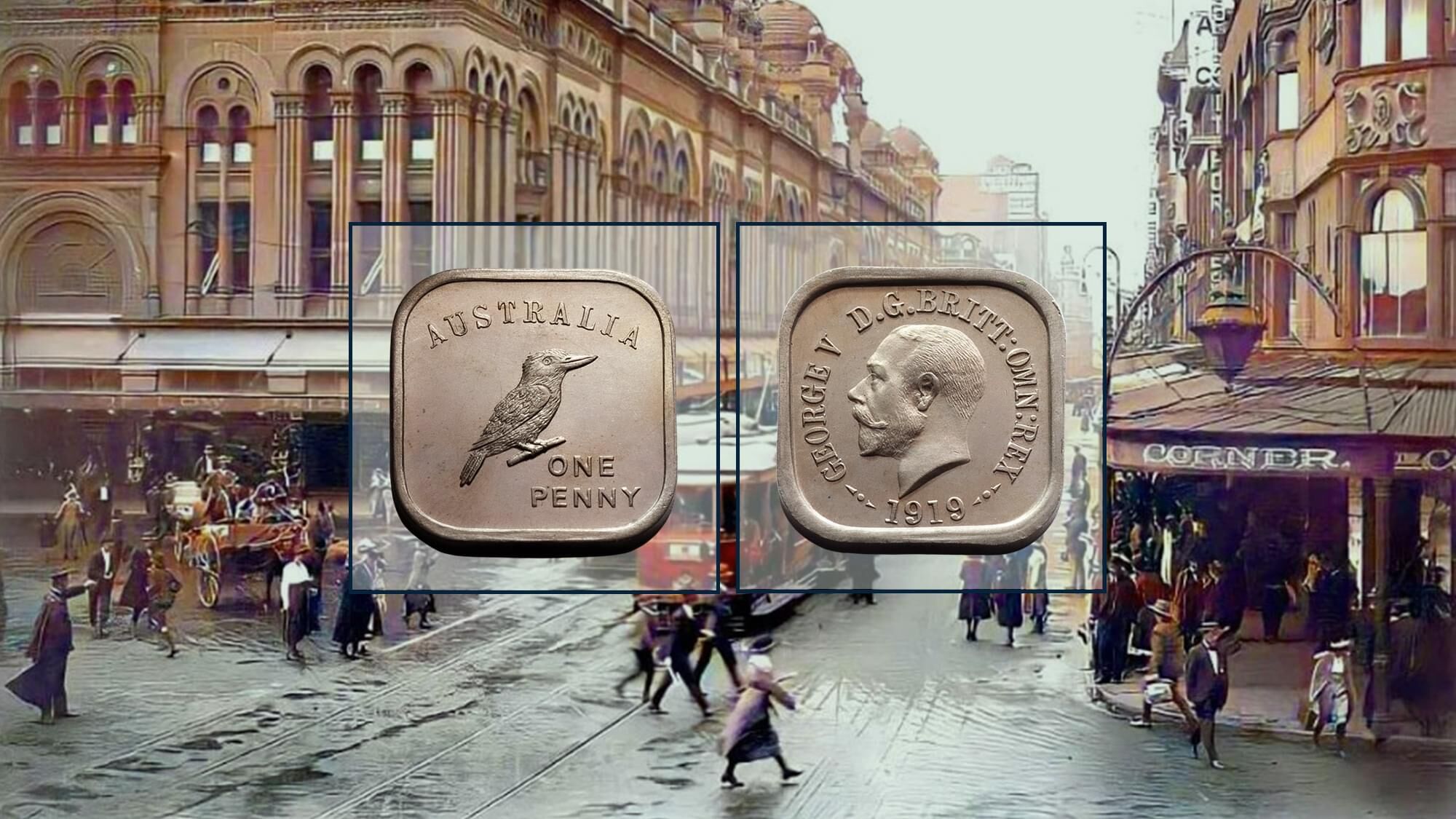
Choice Uncirculated, extremely rare and in this quality even rarer again.
and simply impressive.
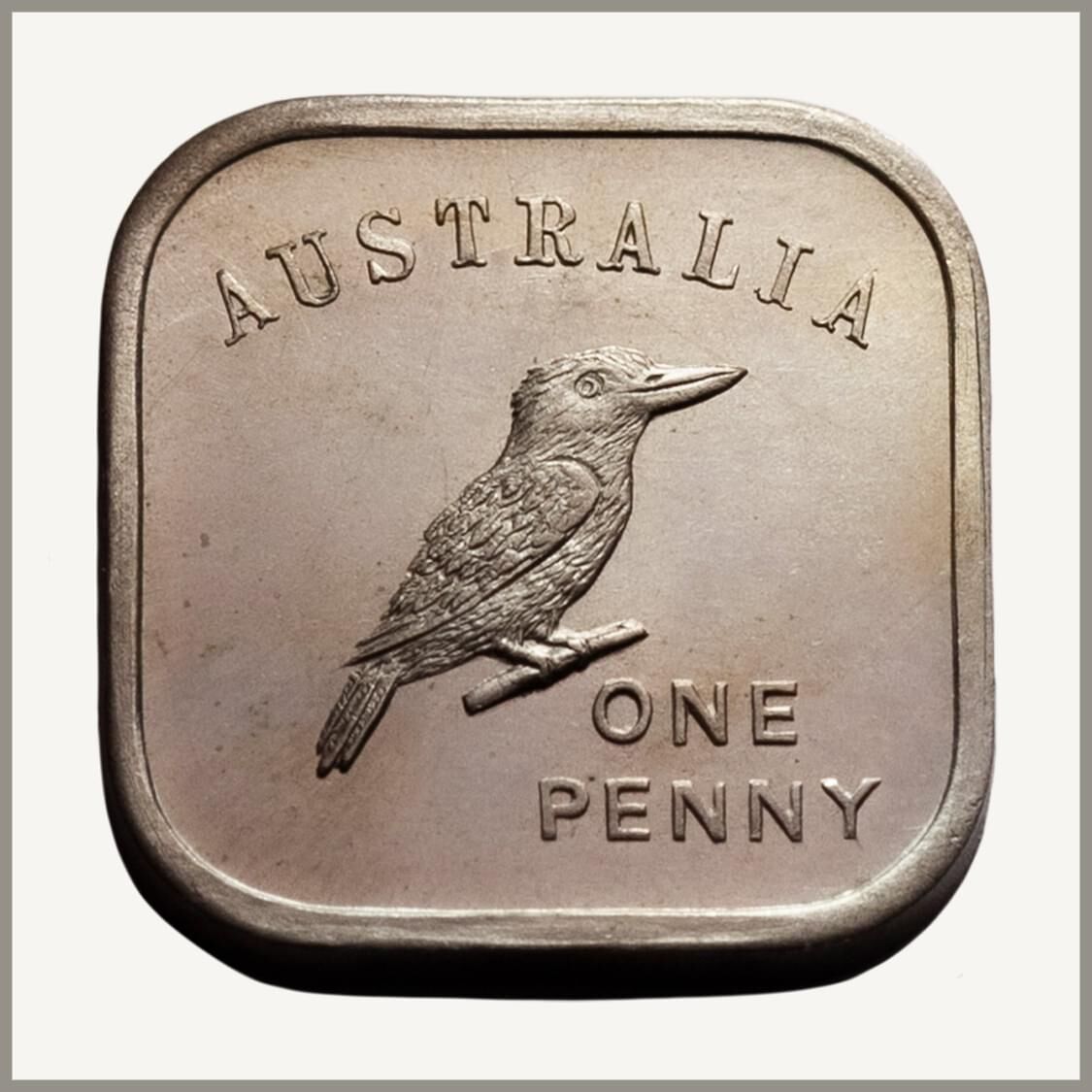
This 1919 Kookaburra Penny has an extremely rare design, a kookaburra reverse that is unique to its design type and that is not shared with any other coin in the series. Known as the Type 3, only twelve six other examples are known. Given to dignitaries to assess their reaction, there was no packaging for the kookaburra coins (perhaps tissue paper) a factor that immediately introduces the potential of mishandling. This coin, a case in point. It has, in its lifetime, endured a bit of rough treatment, perhaps may have been cleaned. And that’s the way it goes for some of the kookaburra coins for, aside from the lack of packaging, they were gifted to non-collectors, simply a curiosity to attract comments. Politicians and dignitaries that were not trained to handle them with the utmost care. Collectors of the Kookaburra coins know that the Type 5 is rare. And this example, at Extremely Fine has been priced accordingly to reflect its quality ranking. At $15,000, it is priced to sell.
We have a simple four-point checklist for evaluating a Kookaburra Penny that involves the date, design type, quality and price.
1. What is the date?
The Kookaburra Pennies were struck in 1919, 1920 and 1921.
Our comments:
Each year offers opportunities for purchase involving varying degrees of rarity and price. The year 1919 is popular because it represents the start of the series, and collectors favour dates that reflect the 'beginnings'. It is also an emotional year, the signing of the World War I peace settlement at the Paris Peace Conference formalised the end of World War I.
2. What is the design type?
While all Square Pennies are rare, some designs are far rarer than others. And some designs are also unique. As you would expect, with uniqueness and rarity, can come a higher price tag. So, it's about finding a balance to your budget; the right design type to suit your budget.
Our comments:
The Type 3 is extremely rare with an estimated fifteen to twenty examples available to collectors. We might see a Type 3 on the market every one to two years. It is noted that the Type 3 has a reverse design that is unique to the type. No other kookaburra coins sports this design.
3. What is the quality?
The Square Pennies were test pieces and were not struck to the heady controls of a proof striking. As the coins were passed to the public for opinions and comments, some have been mishandled.
Our comments:
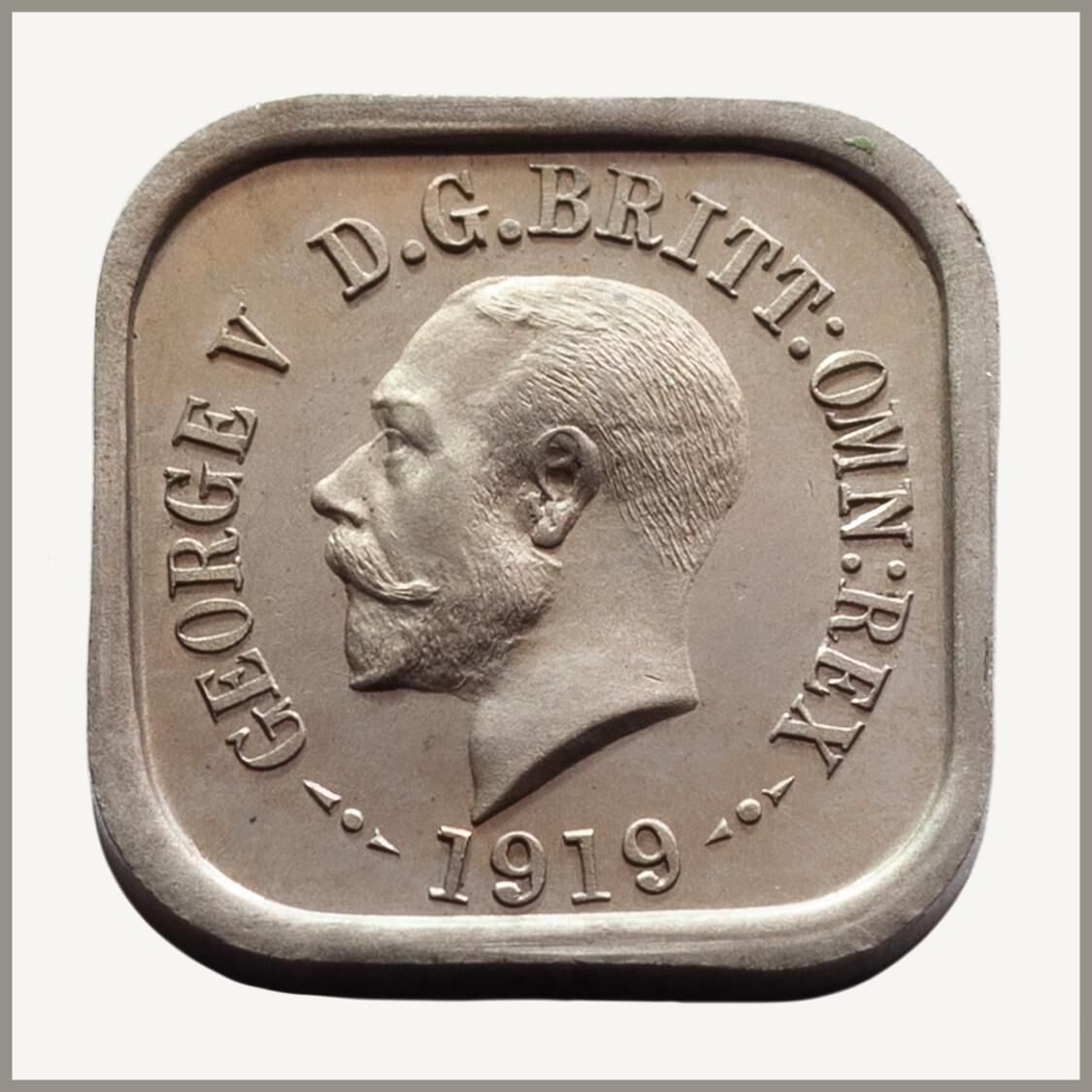
Some Kookaburra coins are so rare, that quality almost becomes irrelevant. But in cases such as the Type 3 which would become available a few times in a decade, quality can be considered. This coin is superb for quality. Take it through the light and you would be forgiven for thinking that it was minted to proof quality, the fields are like mirrors. And it is well struck, the details in the legend, portrait and the kookaburra are strongly three-dimensional. Could you improve upon the quality of this coin? We doubt it!
4. What is the price?
Given its quality assignation of Choice Uncirculated and its rarity, the 1919 Type 3 Kookaburra Penny is priced to market at $45,000.
Our comments: This 1919 Kookaburra Penny is priced at the same level as a high quality Nearly Very Fine 1930 Penny and yet is far, far scarcer.
Dummy text
Dummy text
In 1919, the Government put forward a proposal to replace the round 'British-styled' penny and halfpenny in use at the time with completely new Australian coins. Proudly nationalistic, crafted on one side, with a kookaburra sitting on a branch, underneath the word 'AUSTRALIA' and on the other side, a portrait of George V.
It was Australia's first attempt at independent design in our coinage. A currency that was Australian in imagery, concept and form. Coins with simple design elegance, produced for Australians, by Australians, in 1919, 1920 and 1921. Eleven variations of the penny and two of the halfpenny were produced over three years, each a variation on the one kookaburra theme and each variation assigned a numeric design type, Type 1 to Type 13, to make it easy for collectors.
The program of testing did not move forward beyond 1921. And the coins did not move into production. It is believed that over the three-year period two hundred pieces, of various designs, were produced.
We estimate that one hundred and fifty kookaburra coins are available to collectors. The best thing for collectors is that the one hundred and fifty coins do not bear the same design.
The Melbourne Mint tested many different styles of both obverse and reverse introducing enormous interest, personal choice and procurement challenges into the series.
At the request of Government, the Melbourne Mint began testing a square coinage in 1919, the intention to replace the British-styled copper penny and halfpenny in use at the time. The mint also trialed a new metal, cupro-nickel. The only denomination produced in 1919 was the square penny, crafted on one side with a kookaburra sitting on a branch. And on the other side, an uncrowned portrait of George V. Four variations on the one theme were produced in 1919 and they are designated the Type 3, Type 4, Type 5 and Type 6 Kookaburra Pennies.
The Type 3 Kookaburra Penny is the most available relative to the other 1919 designs and that is not a criticism. Simply a statement of fact. For the Type 3 is still extremely scarce with one example coming up for sale every eighteen months to two years. The remaining 1919 pennies, the Type 4, Type 5 and Type 6, are so scarce that a waiting time might range from four to ten years which would exasperate even the most patient of buyers and stifle market interest. A market is created when buyers and sellers interact, driven by a mutual interest in exchanging goods. This interaction establishes a price based on supply and demand. The reality is that you can't have a market without supply and it is the Type 3 that creates the market for the 1919 Kookaburra coins, and sustains and excites buyer interest in the series.
Rarity - One of fifteen to twenty known examples. We estimate a Type 3 Kookaburra Penny would be offered every eighteen months to two years.
Composition - Nickel 75% Copper 25%
Reverse - The Type 3 has a unique reverse, the kookaburra design only used on this coin. The bird is slender, three feathers in the tail, the eye incuse. And the issuing authority and value is presented in a unique style. The word 'AUSTRALIA' is slightly curved across the top of the coin, detailed in a serif font, the words 'ONE PENNY' over two lines in a contrasting modern, sleek sans serif font. This break from tradition in using two fonts was not used on any other coin.
Obverse - Uncrowned effigy of George V was reduced from a metal die supplied by Australian manufacturer, Stokes & Son. The legend reads, GEORGE V D. G. BRITT: OMN:REX. The date appears under the portrait with ornamental stops separating it from the legend. The obverse design, portrait and legend, is shared with the Type 4 and Type 5 Kookaburra Penny.
© Copyright: Coinworks