A rare opportunity to acquire the 1896 Proof Sovereign and 1896 Proof Half Sovereign, both brilliant FDC, for $150,000.
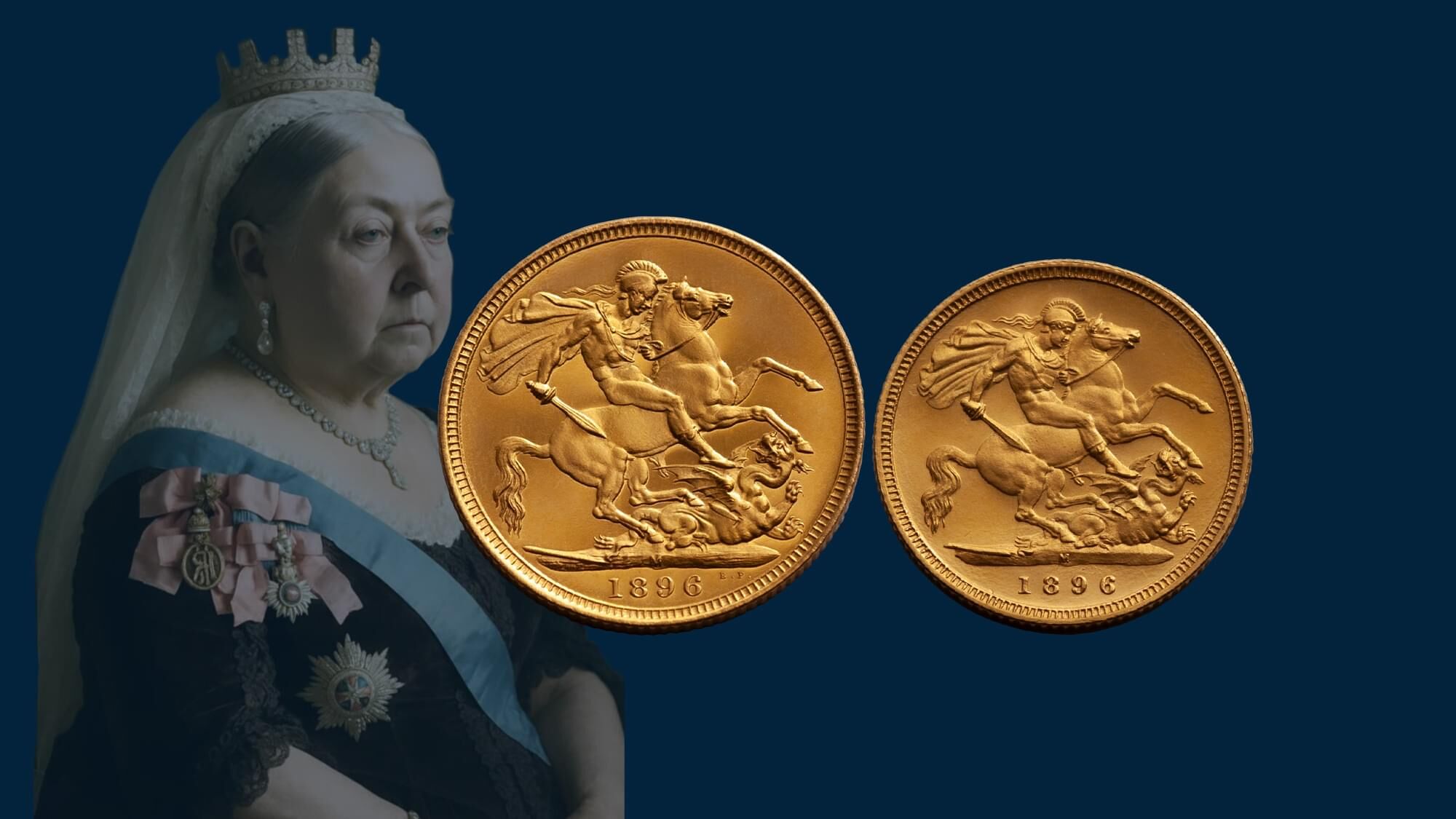
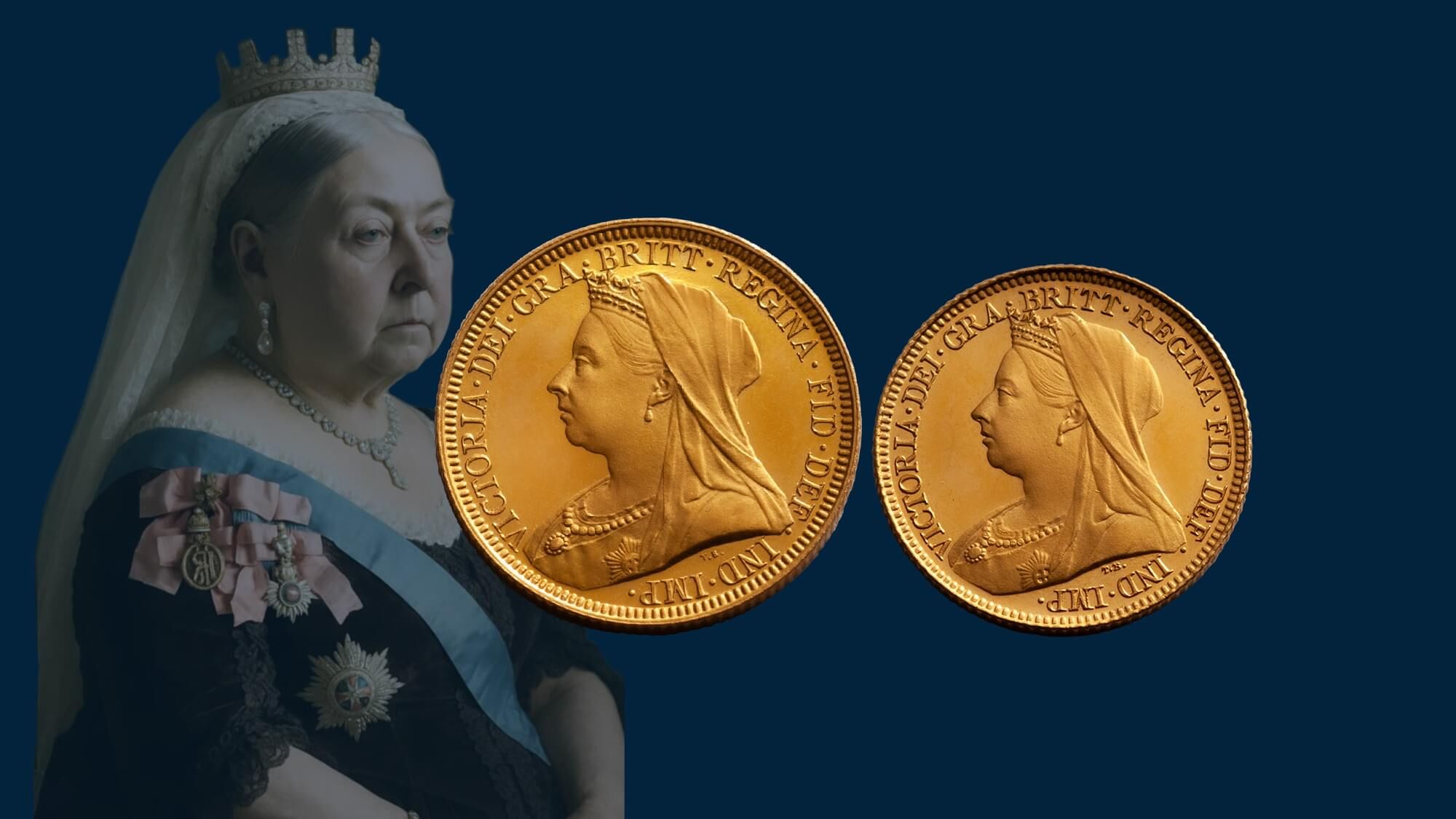
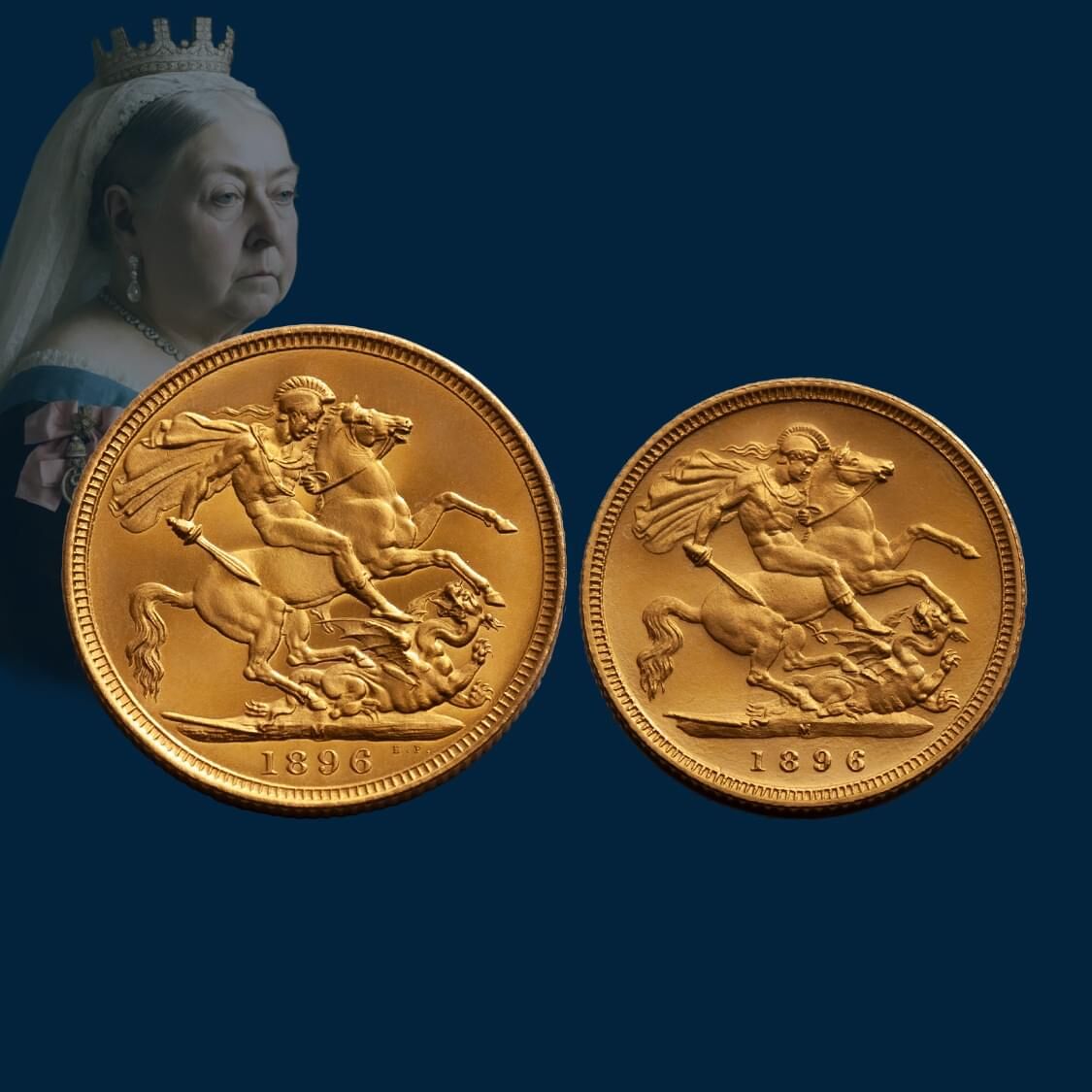
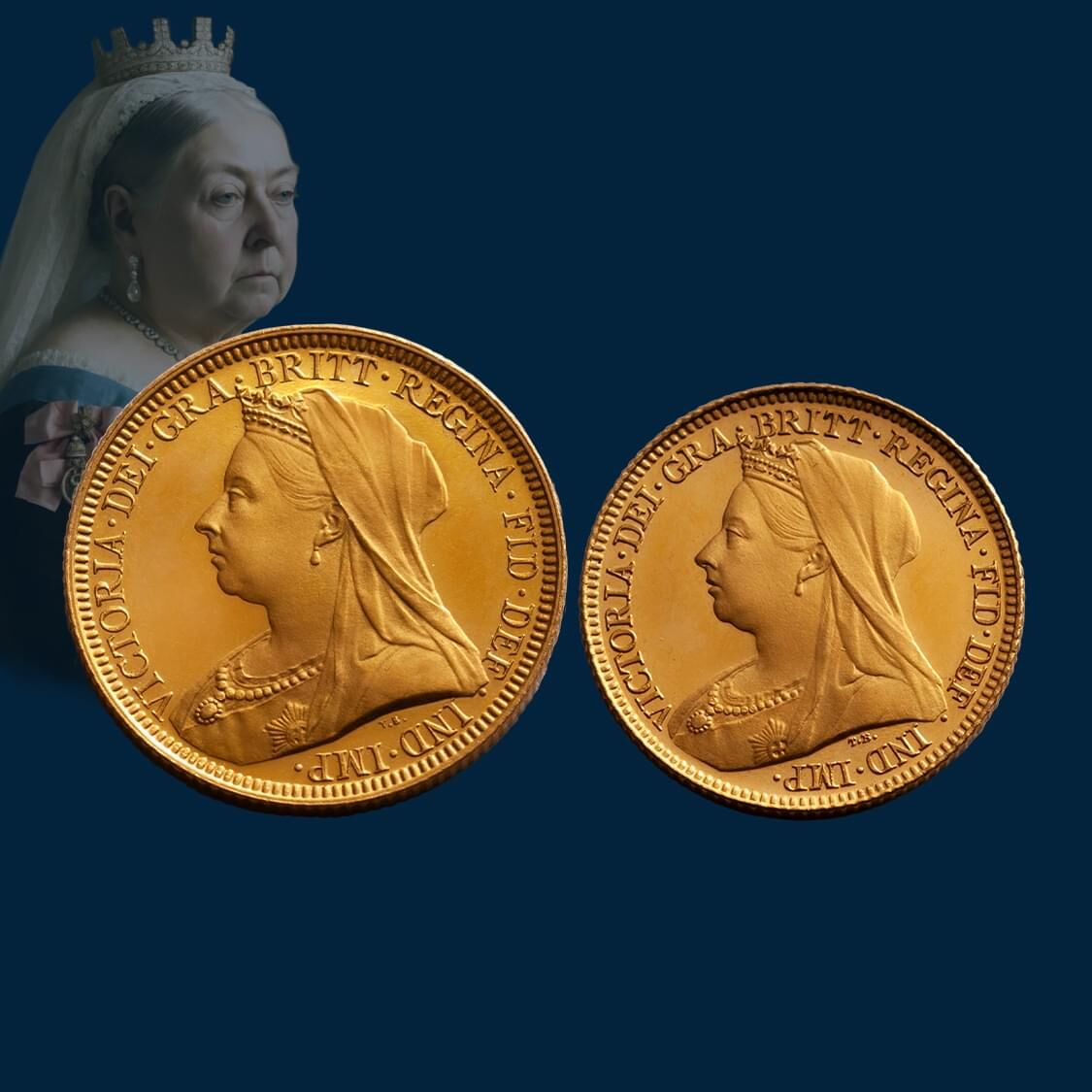
We know that the Melbourne Mint struck two Proof Sovereigns in 1896. We also know that the mint struck two Proof Half Sovereigns in the same year. The four coins left the mint, as pairs, more than a century ago destined for the collection of revered British collector, John G. Murdoch.
Over time the pairs have been split up, collectors showing a preference for one denomination over the other and auction houses too timid to offer them as a pair. Financial considerations may also have been a factor in the selling/purchasing process.
Today's collectors show a marked preference for pairs, if and when they are available. Or complete sequences or complete sets. The sentiment today is that while each coin should be individually savoured, it is but a moment in time. A complete set is the whole narrative.
And this principle is being consistently taken up and is noted in Coinworks sales. The Complete Kookaburra Collection sold within a few hours of its release. The 1901 Perth Mint Proofs sold as a pair for $525,000, the purchaser commenting that he would not have bought an individual coin because it was not the complete story. The same views were expressed by the purchaser of the 1871 Sydney Mint Proofs. "I will take both, and I wouldn't have taken just one''.
Complete sets are naturally heirloom-worthy. They’re easier to pass down, easier to explain, and more likely to retain their identity over generations. Families understand the concept of the full set instantly.
Let's also be clear. There is a lot of money out there, waiting to be placed. And collectors with substantial financial resources are looking to spend their money on an item that has substance. And pairs or sets have more substance than an individual coin.
The 1896 Proof Sovereign and 1896 Proof Half Sovereign left the mint, as a pair, more than a century ago destined for the collection of revered British collector, John G. Murdoch. They are offered today as a pair, brilliantly preserved, for $150,000.
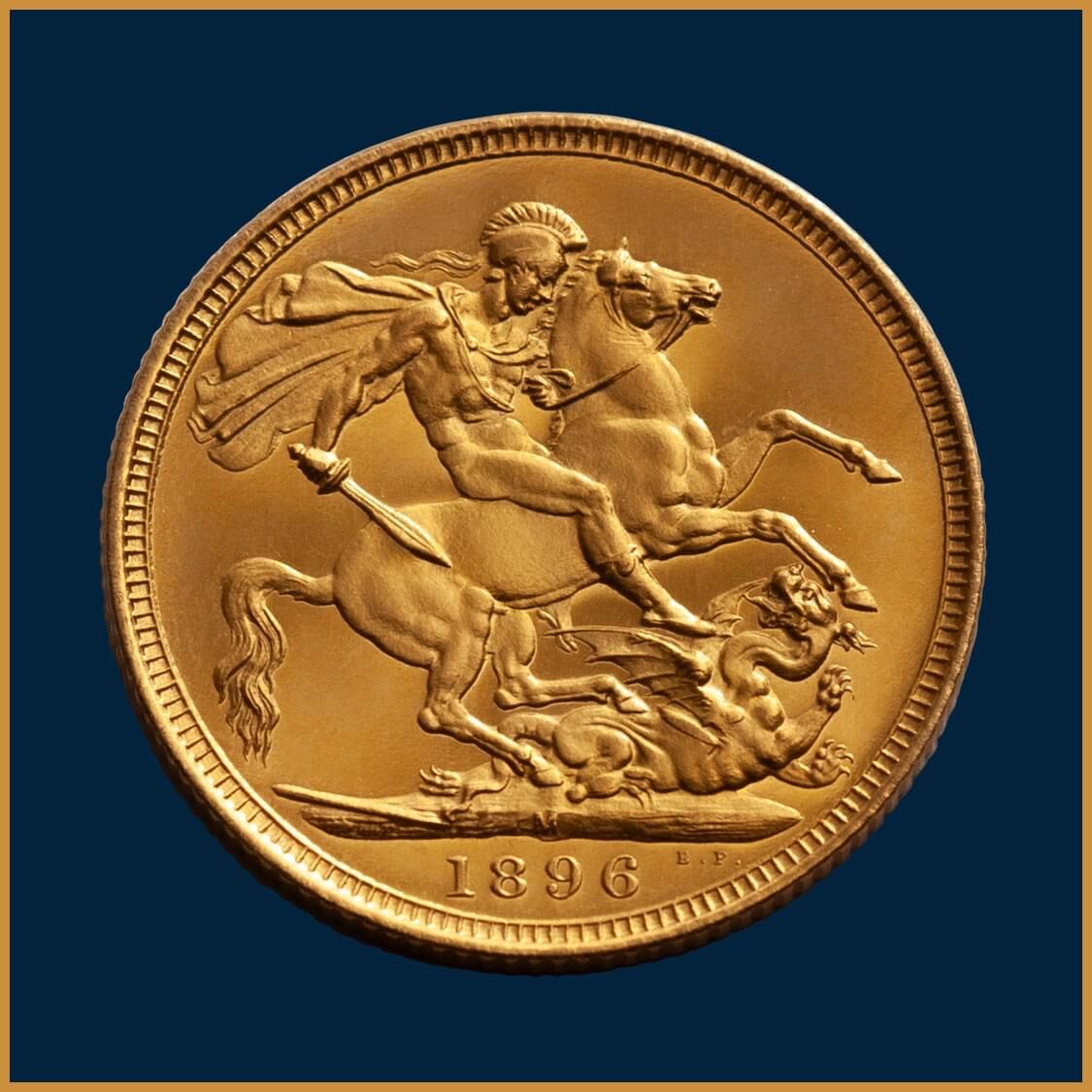
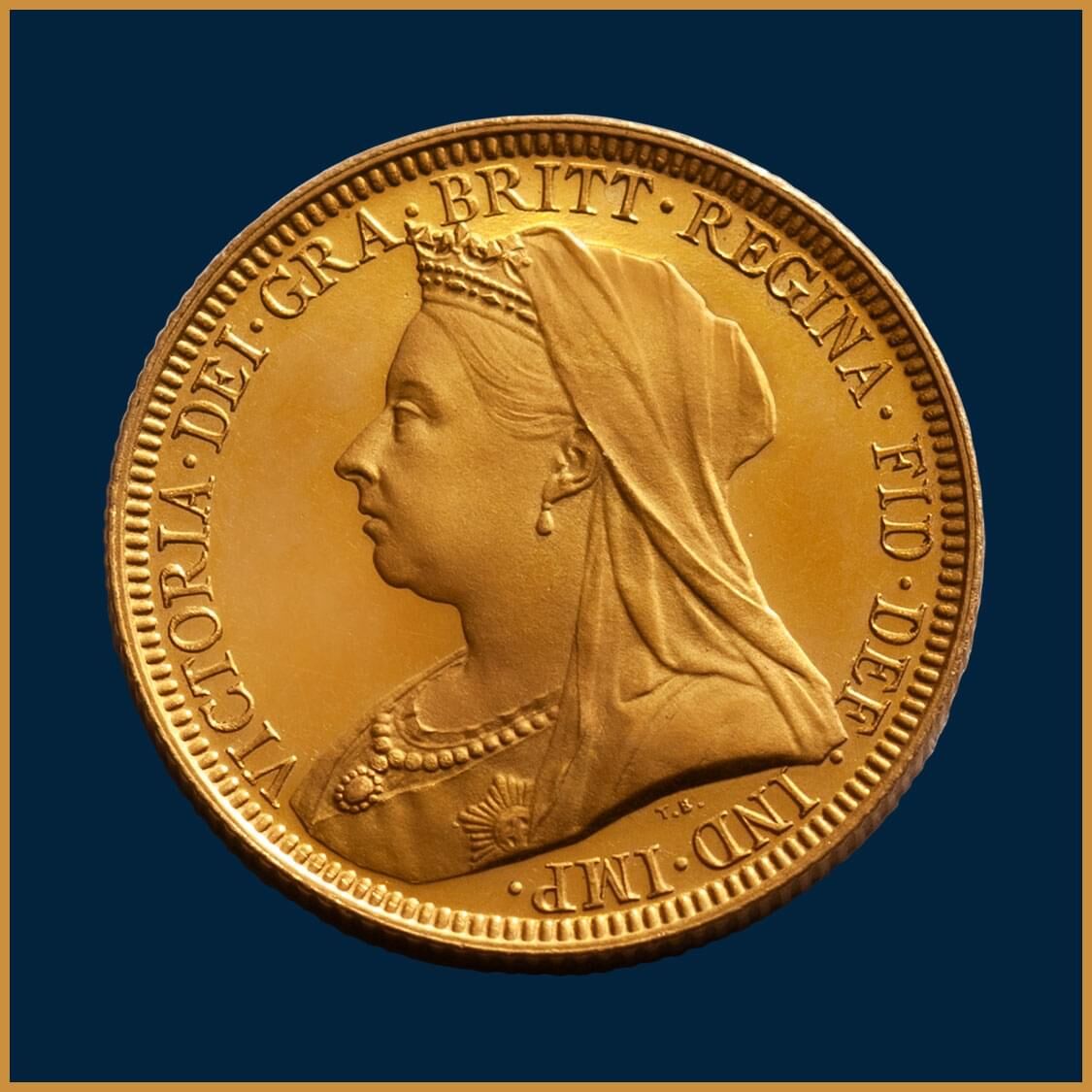
Two 1896 Proof Sovereigns were held in the Murdoch Collection, offered as lot 639 and 640 at Sotheby, Wilkinson & Hodge London 1903.
Two examples have appeared at an Australian public auction, the first in 1981 and the second in 1986 (this coin), the assumption being that they were both Murdoch coins.
This is the first 1896 Proof Sovereign that we have handled.
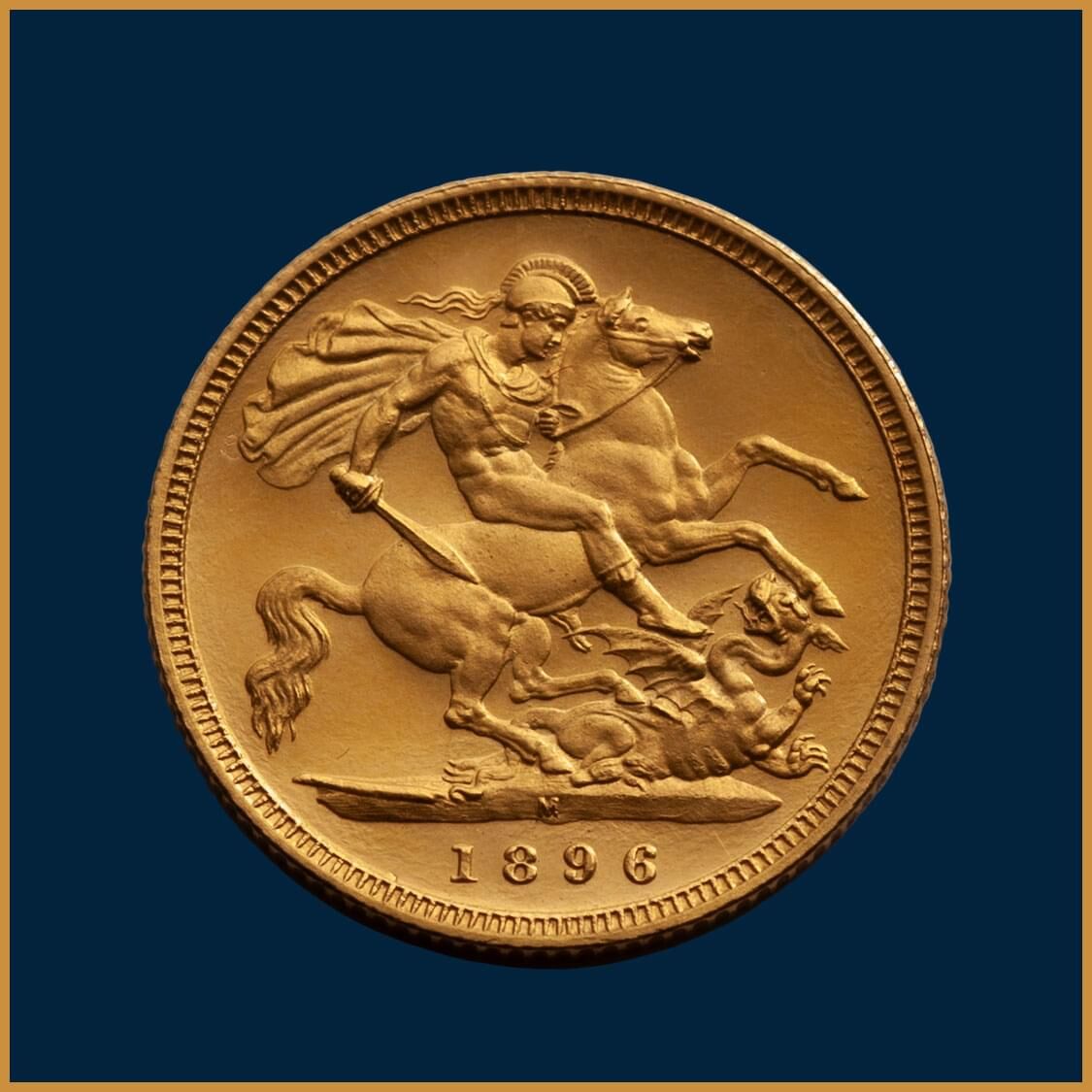
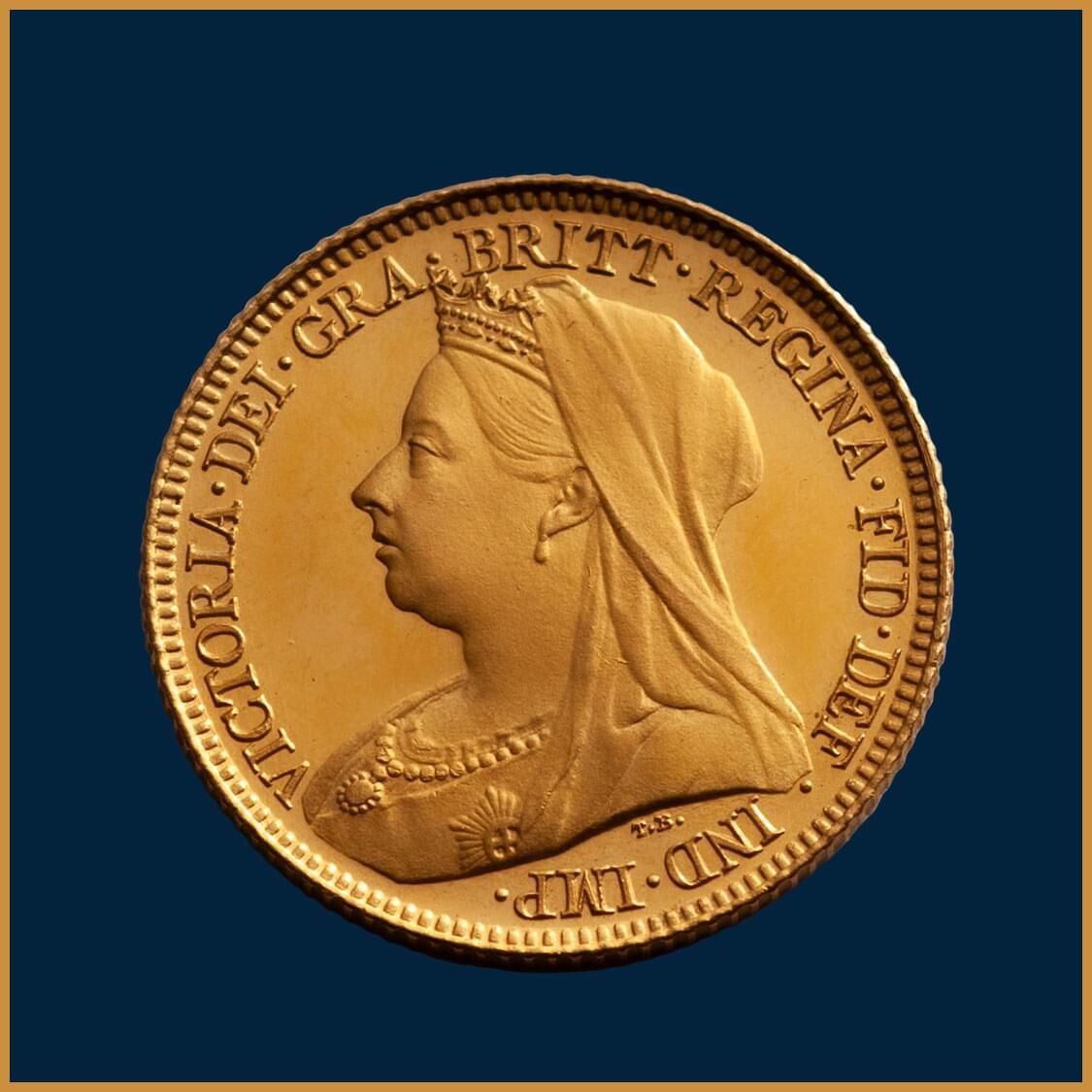
Two 1896 Proof Half Sovereigns were held in the Murdoch Collection, offered as lot 639 and 641 at Sotheby, Wilkinson & Hodge London 1903.
Two examples, perhaps three, have appeared at an Australian public auction, the first in 1981 and more recently in 2017, this coin, the assumption that two of them were Murdoch coins.
Australia's Gold Proof Coinage
When the Royal Mint London or the British Museum requested a sovereign or half sovereign from an Australian Mint, they were never sent a circulation strike. Nor would a circulation strike be presented to the monarch, gifted to a dignitary or sent to an influential collector. And a circulation strike would not be displayed at a Colonial Exhibition.
An individually crafted presentation piece would be specially created for the occasion, minted to a proof or specimen finish. The technical term for such a piece is 'Coin of Record'.
A Coin of Record is an artistic interpretation of coinage, a strikingly beautiful coin beyond ordinary currency. Individually crafted to standards far exceeding that required of a circulating coin, using special coining techniques. Whereas production of circulating coinage was dictated by Government, Coins of Record were struck at the discretion of the mint master.
Coins of Record were not produced every year and, as they were individually crafted, the process was time consuming and the mintages minuscule. For gold proofs, generally ten pieces or less. There were several occasions when only a single coin was struck.
Coins of Record of Australia's sovereigns and half sovereigns are visually stunning, distinguished by brilliant golden-mirror surfaces. And it is their beauty and their ultra-exclusivity that drives demand.
Australian gold proof coins moved onto the international stage when the collection of John G. Murdoch was liquidated via Sotheby, Wilkinson & Hodge in London in 1903, following his passing in 1902. Murdoch held an extensive collection of gold proofs, including coins from the Sydney Mint, Young Head, Veiled and Jubilee eras.
The reputation of Australia's gold proof sovereigns and half sovereigns as an international commodity was set in stone in 1903, a widespread regard that holds to this very day, right across the globe. Recent international auction results (February 2026) confirm the status of Australia's gold proof coins as a globally traded commodity. It is noted that the frosted proofs of the Melbourne Mint (such as the 1894s) are keenly sought by American collectors.
© Copyright: Coinworks