Kookaburra Halfpenny, 1921, Type 2 • Exclusive & highly sought after • $95,000
The Melbourne Mint tested one halfpenny design in 1920. Referenced the Type 1, three exist. A second design was tested in 1921. Referenced the Type 2, there are nine known examples. The demand for the kookaburra halfpenny is strong. Collectors aim for completion and while owning every coin can be prohibitive, both financially and from a time perspective, collectors also pursue themes within a series. And in the case of the Kookaburra coins, that can mean pursuing a penny and halfpenny, one of each denomination that was struck at the Melbourne Mint. A "sub-set", if you like. One that feels complete, resulting in a display-worthy set or collection.
Now lets look at the Halfpenny options. A buyer could be looking at a waiting time of ten to twenty years for the Type 1 Kookaburra Halfpenny, an impossible time frame for most collectors at a potentially prohibitive price. The Type 2, on the other hand, becomes available every two to three years, a far more palatable waiting time for a collector. Extremely rare, and yet available within a reasonable time frame are the prime reasons why the Type 2 is the most popular Halfpenny. Adding further to its appeal, the 1921 Type 2 Kookaburra Halfpenny is matched in design, on both obverse and reverse, with the 1921 Type 12 Kookaburra Penny. An ideal pair for collectors.
Rarity - One of nine known, appearing on the market every two to three years.
Composition - Nickel 75% Copper 25%
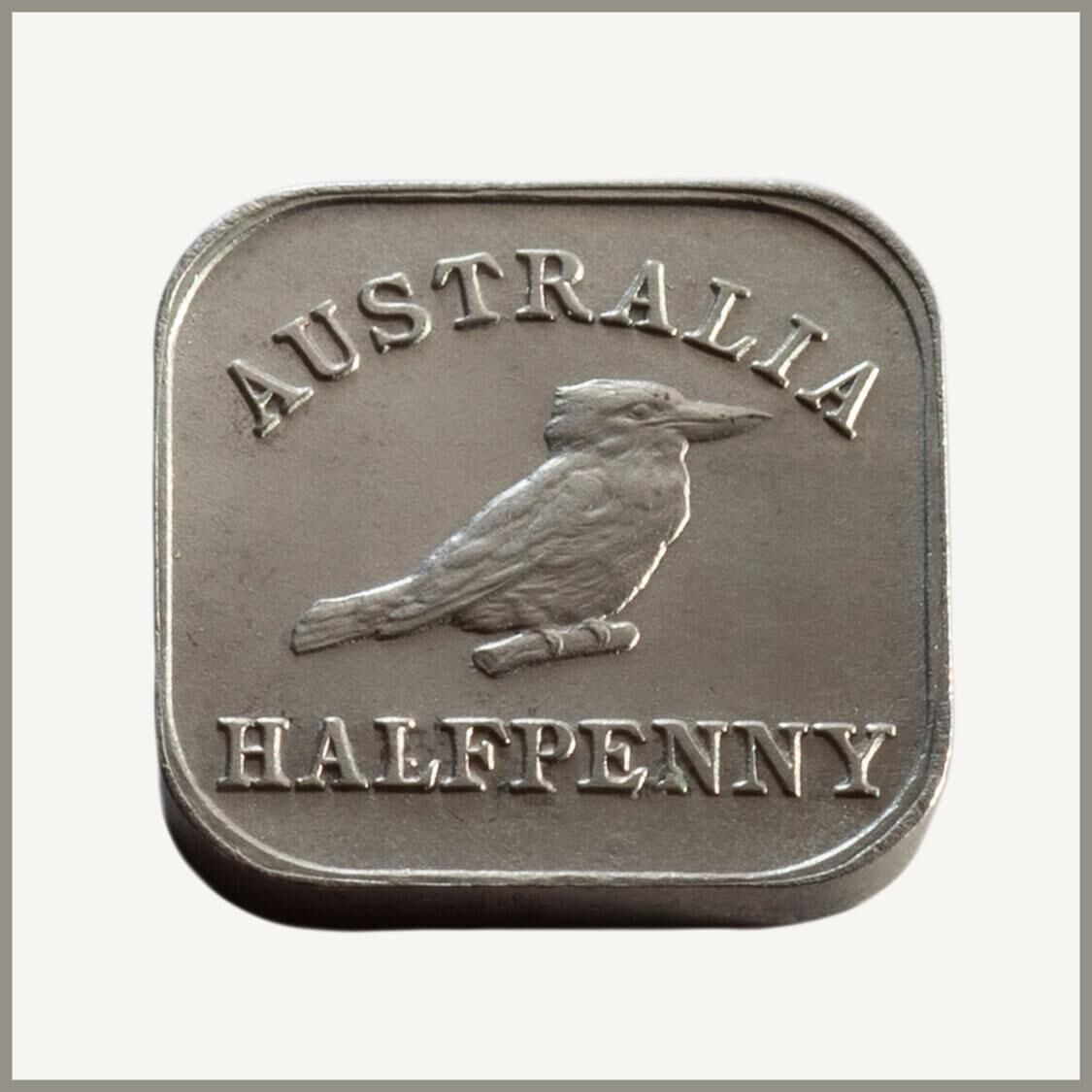
Reverse - A plump bird resting on a short, thick branch, the eye in relief, the tail with five feathers. The word 'AUSTRALIA' is sharply curved, the halfpenny denomination is bold and presented in one line. A design shared with the Type 12 Kookaburra Penny,
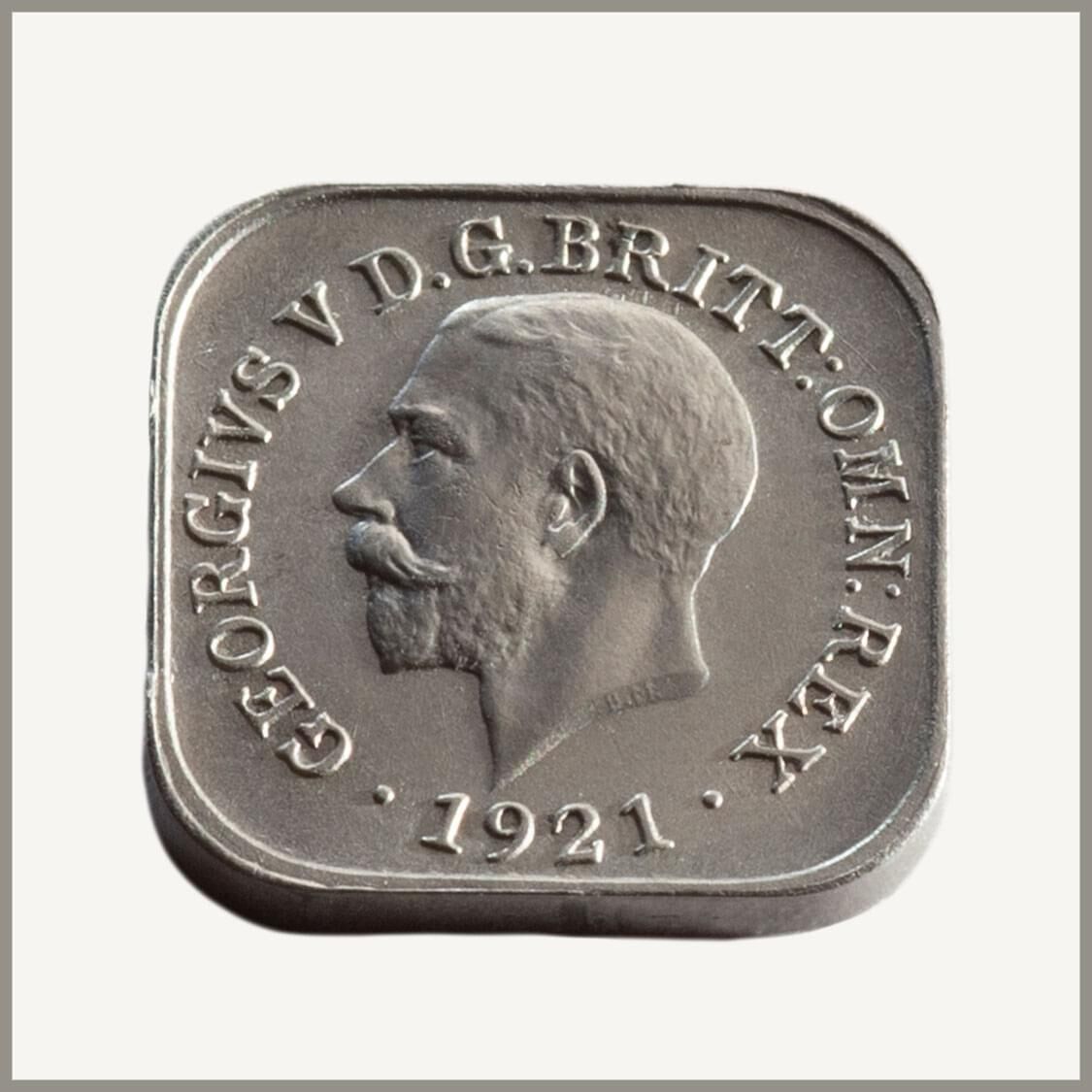
Obverse - Uncrowned effigy of George V, designed by Australian sculptor, Sir Edgar Bertram Mackennal, and shared with the Type 12 Kookaburra Penny, the initials 'BM' appearing on truncation. The legend reads GEORGIVS V D. G. BRITT: OMN:REX and appears on all the halfpennies Type 1 and Type 2 and the pennies Type 6 through to 12. The date '1921' appears below the portrait, an ornamental dot separating it from the legend.