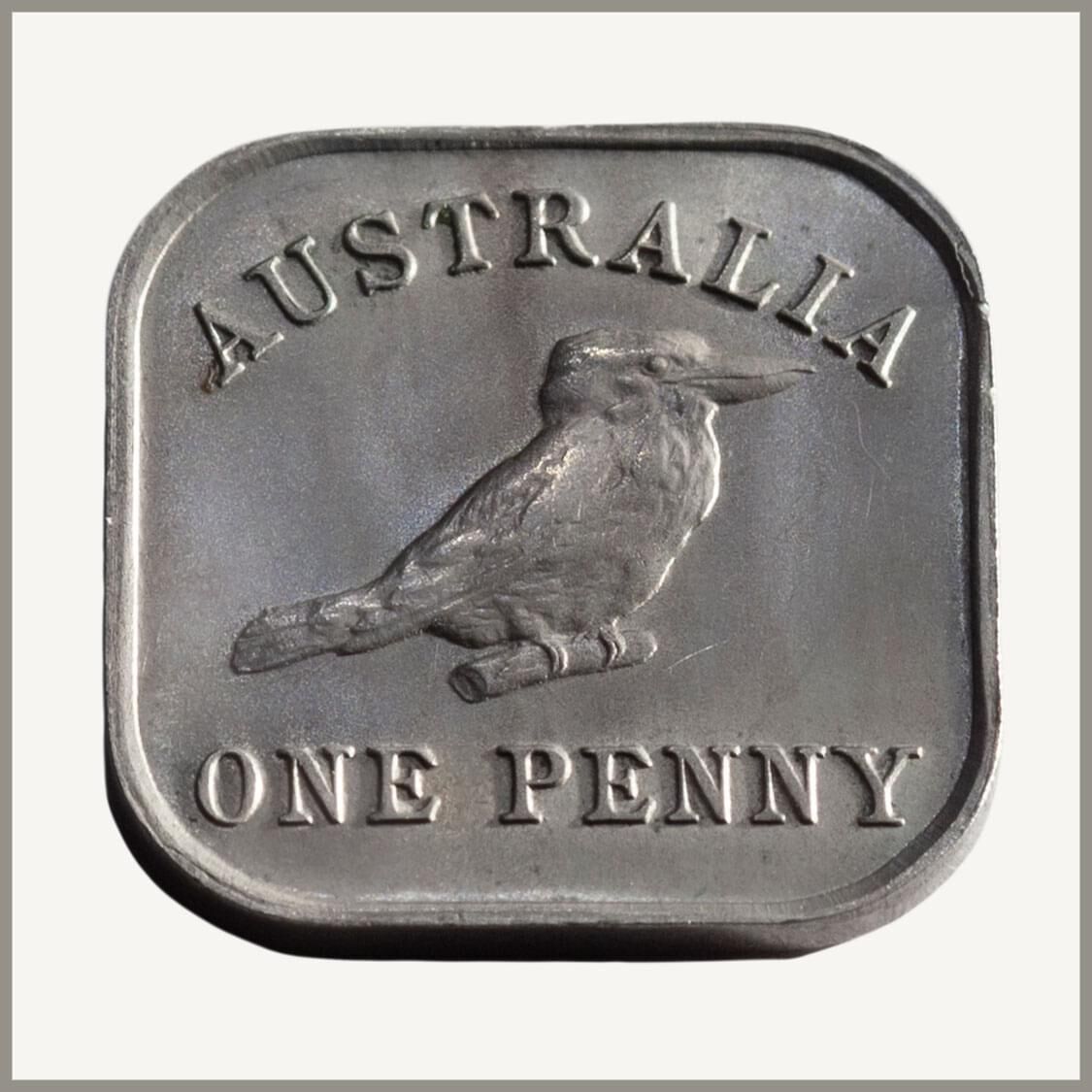
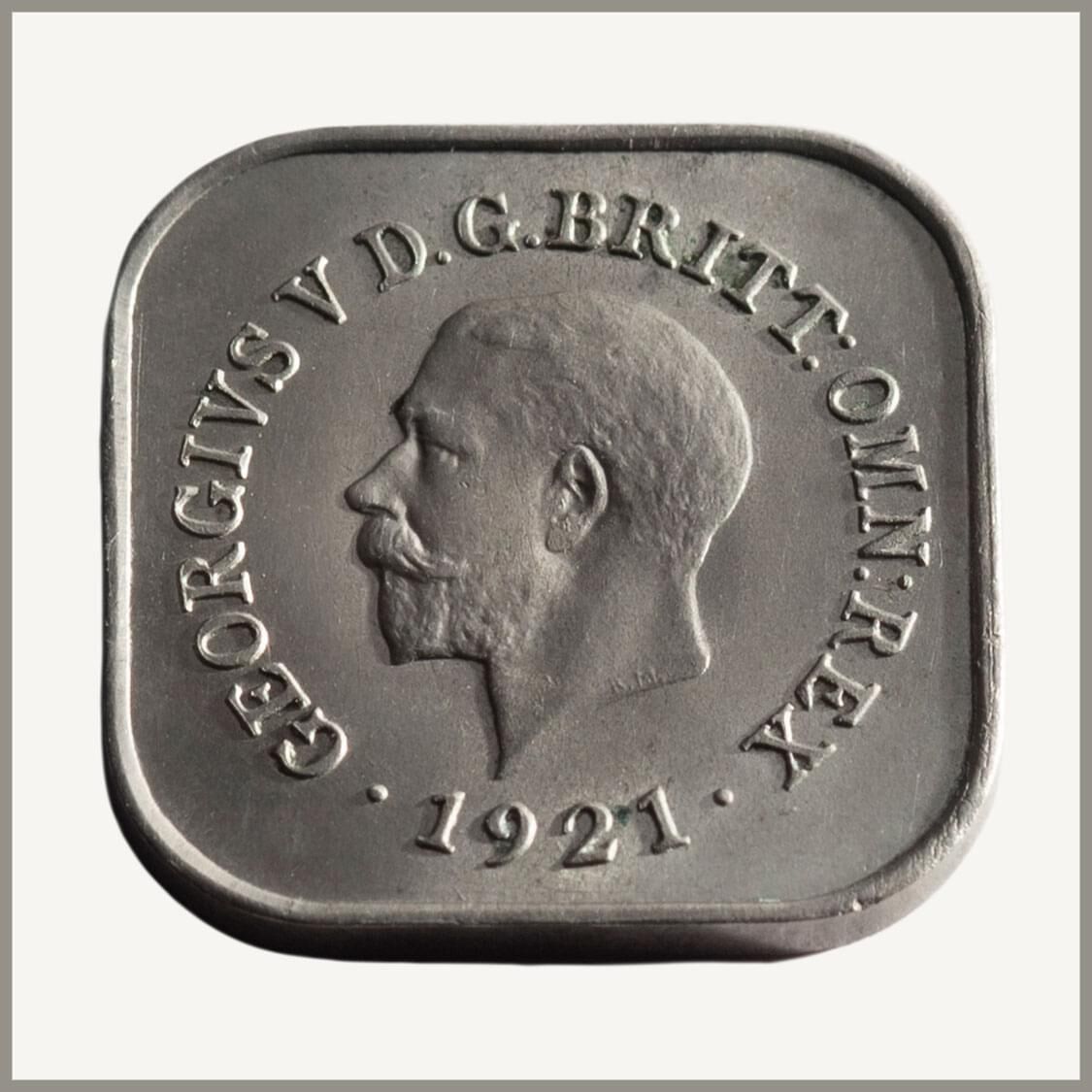
Kookaburra Penny, 1921, Type 12 • a classic Australian coin rarity • $25,000
The year 1921 hosts two design types, the Type 11 and the Type 12. And they are the most available in the series. Again we state that this is not a criticism, simply a statement of fact for both coins are still extremely scarce, and infrequently offered. It is these coins that have in effect created a market for the kookaburra coins. Some elementary economics tells us that a market is created when buyers and sellers interact, driven by a mutual interest in exchanging goods. This interaction establishes a price based on supply and demand. If every coin in the kookaburra series was like a Type 4, offered once a decade, you simply wouldn't have a vigorous market.
The availability of the Type 12 and its affordability, makes it a very popular choice for buyers to enter the Kookaburra series. It is noted that the Type 12 Kookaburra Pennies have satin surfaces and tone, but not in the same manner or to the extent of the 1921 Type 11 Kookaburra Penny. While we suggest that forty examples of the 1921 Type 12 Kookaburra Penny may exist, the collector that introduces quality into the selection process will find that the pool of available examples is vastly reduced.
Adding further to its appeal, the 1921 Type 12 Kookaburra Penny is matched in design, on both obverse and reverse, with the 1921 Type 2 Kookaburra Halfpenny. An ideal pair for collectors.
Rarity - one of an estimated thirty-five to forty known. On average, a Type 12 Kookaburra Penny would be offered every six to eight months.
Composition - Nickel 75% Copper 25%
Reverse - A design shared with the Type 2 Kookaburra Halfpenny, a plump bird resting on a short, thick branch, the word 'AUSTRALIA' curved, the penny denomination in one line across the base of the coin.
Obverse - Uncrowned effigy of George V, designed by Australian sculptor, Sir Edgar Bertram Mackennal, the initials 'BM' appearing on truncation, and shared with the Type 2 Kookaburra Halfpenny. The legend reads GEORGIVS V D. G. BRITT: OMN:REX and appears on all the halfpennies Type 1 and Type 2 and the pennies Type 6 through to 12. The date '1921' appears below the portrait, an ornamental dot separating it from the legend.